
Hawaii’s warm waters and legendary waves make it the perfect place to start your surfing journey. But before you stand on a surfboard, many beginners find success by training with a bodyboard. Bodyboarding helps you get comfortable in the ocean, understand wave patterns, and build the strength needed for surfing. Whether you’re a local or a visitor, using a bodyboard can fast-track your progress and make your transition to surfing smoother.
I remember my first time in the Hawaiian surf. The waves at Waikiki were gentle, but I was nervous. A friend handed me a bodyboard, and within an hour, I was riding whitewater like a pro. That day taught me that bodyboarding isn’t just fun—it’s a powerful tool for learning how waves work.
Why Start with a Bodyboard?
Bodyboarding is often overlooked as a stepping stone to surfing, but it offers unique benefits. First, it helps you develop balance and core strength, which are essential for standing on a surfboard. According to a study by the Journal of Sports Sciences, balance training on unstable surfaces like a bodyboard improves proprioception—the body’s ability to sense movement and position. This skill directly translates to better stability on a surfboard.
Additionally, bodyboarding allows you to focus on wave selection and timing. You’ll learn to read the ocean, spot incoming sets, and position yourself correctly. These are skills that even experienced surfers continuously refine. Starting with a bodyboard also reduces the risk of injury. Falling off a bodyboard is less intimidating than wiping out on a surfboard, making it ideal for beginners.
Hawaii’s diverse beaches offer perfect conditions for bodyboarding. Spots like White Plains Beach on Oahu or Kahalu’u Beach Park on the Big Island provide gentle, rolling waves that are ideal for practice. By mastering the basics on a bodyboard, you’ll gain confidence and a deeper understanding of the ocean before progressing to surfing. For those eager to dive in, choosing the right gear is key. A quality surf training bodyboard can make all the difference in your progress.
Choosing the Right Bodyboard for Training
Not all bodyboards are created equal, especially when your goal is to train for surfing. The right board can accelerate your learning curve, while the wrong one can hold you back. For beginners, a bodyboard with a core made of dow or PE (polyethylene) is ideal. Dow cores are lightweight and offer excellent flex, which helps with maneuverability. PE cores, on the other hand, are more durable and better suited for colder water, though Hawaii’s warm waters make dow a popular choice.
Size matters too. A bodyboard should reach from your chin to your knees when standing upright. This ensures stability and control. For most adults, a 42-inch board is a good starting point. If you’re taller or heavier, consider a 44-inch board for extra buoyancy. The tail shape also plays a role in performance. A crescent tail is great for control and speed, making it a favorite among beginners.
Don’t forget about the leash. A coiled leash keeps the board close to you after a wipeout, preventing it from drifting away. This is especially important in Hawaii, where currents can be unpredictable.
Essential Bodyboarding Techniques for Surf Training
To get the most out of your bodyboarding sessions, focus on mastering a few key techniques. These will not only improve your bodyboarding skills but also prepare you for surfing.
First, practice the prone position. Lie flat on the board with your chest centered and your hands gripping the front edges. Keep your legs together and use your fins to kick powerfully. This position helps you catch waves efficiently and teaches you how to maintain balance while moving.
Next, work on the drop-knee maneuver. As you ride a wave, shift one knee onto the board while keeping the other leg extended. This technique improves your ability to control the board and is a great way to transition into standing positions later on. It also strengthens your legs, which is crucial for surfing.
Finally, practice turning. Use your body weight to lean into turns, and experiment with shifting your hips to change direction. The more comfortable you become with these movements, the easier it will be to apply them to surfing. Remember, the ocean is unpredictable, so always stay aware of your surroundings and other water users.
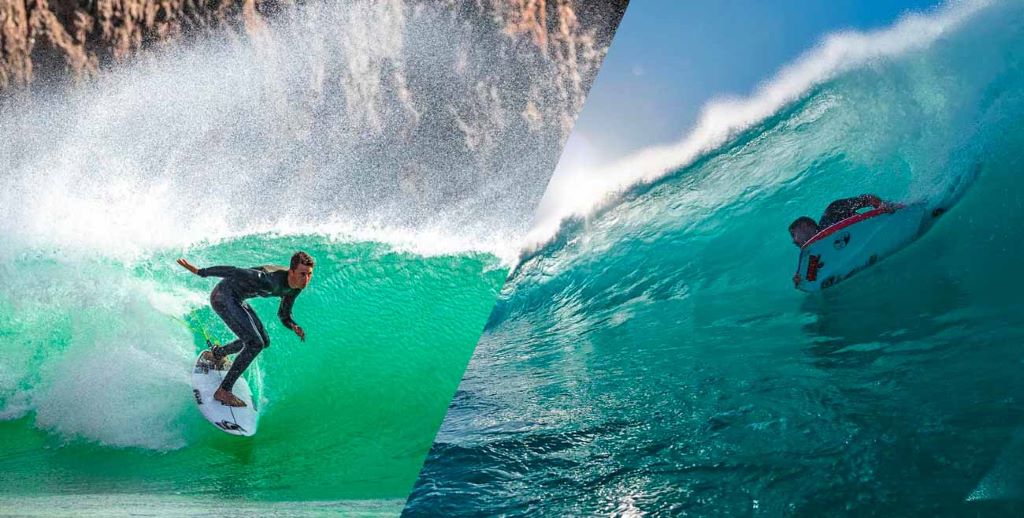
Best Beaches in Hawaii for Bodyboarding and Surf Training
Hawaii is a paradise for bodyboarders, with beaches suitable for all skill levels. For beginners, Waikiki Beach on Oahu is a top choice. Its gentle, rolling waves provide the perfect environment to practice catching waves and refining your technique. The beach is also patrolled by lifeguards, adding an extra layer of safety.
On the Big Island, Kahalu’u Beach Park is another excellent spot. The shallow reef break creates consistent, manageable waves that are ideal for bodyboarding. The water here is often crystal clear, allowing you to see the ocean floor and better understand how waves form and break.
For those on Maui, Launiupoko Beach Park offers a mix of wave types, from small whitewater to larger swells. This variety helps beginners progress quickly. Always check local surf reports and ask locals for advice on the best spots for your skill level. Safety should always come first, so avoid beaches with strong currents or large, powerful waves until you’re more experienced.
Safety Tips for Bodyboarding in Hawaii
Safety is paramount when training in the ocean. Hawaii’s waves can be deceptively powerful, even in areas that appear calm. Always bodyboard with a buddy, especially if you’re new to the sport. This ensures someone is there to help in case of an emergency.
Pay attention to the weather and surf conditions. Websites like Surfline or Magicseaweed provide up-to-date reports on wave height, wind, and tides. Avoid bodyboarding during high surf advisories or when strong offshore winds are present. These conditions can create dangerous rip currents and unpredictable waves.
Wear reef boots if you’re bodyboarding near coral or rocky areas. Hawaii’s ocean floor can be sharp, and cuts or scrapes can quickly ruin your session. Additionally, use sunscreen to protect your skin from the strong tropical sun. Reapply every two hours, or more often if you’re in the water for extended periods.
Finally, respect the locals and other water users. Hawaii’s beaches are shared spaces, and following etiquette ensures everyone has a good time. Yield to surfers and other bodyboarders who are already riding a wave, and avoid dropping in on someone else’s line.
Transitioning from Bodyboarding to Surfing
Once you’re comfortable on a bodyboard, you can start thinking about transitioning to surfing. The skills you’ve developed—balance, wave reading, and timing—will serve you well. However, there are a few key differences to keep in mind.
Surfing requires more upper body strength, as paddling is a major component of catching waves. Start by practicing your pop-up on land. This is the motion of going from lying on the board to standing up in one fluid movement. The more you practice, the more natural it will feel in the water.
Choose a beginner-friendly surfboard, such as a soft-top longboard. These boards are stable and forgiving, making them ideal for learning. Start in small, whitewater waves and focus on standing up and riding straight. As you gain confidence, you can begin to work on turning and more advanced maneuvers.
Remember, the transition from bodyboarding to surfing takes time. Don’t rush the process. Enjoy each step of your journey and celebrate your progress along the way.
Personal Story: My Journey from Bodyboard to Surfboard
My first attempt at surfing was a humbling experience. I wiped out repeatedly, struggling to even catch a wave. Frustrated, I decided to take a step back and focus on bodyboarding. For weeks, I practiced at Waikiki, learning how to read the waves and position myself correctly. Slowly but surely, my confidence grew.
One day, I borrowed a friend’s longboard and paddled out. To my surprise, I caught my first wave on the first try. The skills I’d honed on my bodyboard—balance, timing, and wave selection—translated seamlessly to surfing. That moment was a turning point in my surfing journey, and it’s a testament to the power of bodyboarding as a training tool.
If you’re feeling discouraged, remember that every surfer started somewhere. Bodyboarding can be your secret weapon to building the skills and confidence needed to ride the waves like a pro.
FAQs
What is the best bodyboard size for beginners?
For most adults, a 42-inch bodyboard is a great starting point. If you’re taller or heavier, consider a 44-inch board for extra buoyancy and stability.
Do I need fins for bodyboarding?
Yes, fins are highly recommended. They provide the power and control needed to catch waves efficiently. Choose fins that fit snugly but comfortably.
How do I choose a safe beach for bodyboarding in Hawaii?
Look for beaches with gentle, rolling waves and lifeguard patrols. Waikiki Beach on Oahu and Kahalu’u Beach Park on the Big Island are excellent choices for beginners.
Can bodyboarding help me become a better surfer?
Absolutely. Bodyboarding teaches you balance, wave reading, and timing—skills that are directly transferable to surfing. Many surfers start with a bodyboard to build confidence in the ocean.
What should I wear when bodyboarding in Hawaii?
A rash guard and board shorts are ideal for protection against the sun and chafing. Reef boots are also recommended if you’re bodyboarding near coral or rocky areas.
Conclusion
Bodyboarding is more than just a fun activity—it’s a powerful training tool for aspiring surfers. By starting with a bodyboard, you’ll develop essential skills like balance, wave reading, and timing, all while building confidence in the ocean. Hawaii’s diverse beaches offer the perfect playground to practice and progress.
Whether you’re a local or a visitor, take advantage of the islands’ world-class waves to hone your skills. Focus on mastering the basics, and always prioritize safety. With dedication and practice, you’ll be well on your way to standing tall on a surfboard.
Now, it’s your turn. Grab a bodyboard, hit the waves, and start your surfing journey today. Have you tried bodyboarding in Hawaii? Share your experiences or tips in the comments below—we’d love to hear from you!

