
Surfing boasts a rich history that dates back thousands of years. It is believed to have originated in ancient Polynesia, particularly in Tahiti and Hawaii, where it was not merely a sport but a sacred art form.
Early surfers used wooden boards, crafted with a deep reverence for the ocean, and their techniques were passed down through generations.
The first artistically depicted surfers were featured in paintings by Paul Gauguin in the late 1800s, capturing the essence of this thrilling activity.
As surfing gained popularity, it spread to the mainland United States during the early 20th century, particularly on the shores of California.
Iconic figures like Duke Kahanamoku, a Hawaiian swimmer and surfer, helped bring this ancient sport to the forefront, showcasing the beauty and thrill of riding waves.
Over decades, surfing has evolved, inspiring various styles and boards, from longboards to shortboards, making it a dynamic sport enjoyed worldwide.
Benefits of Surfing

The benefits of surfing extend far beyond just riding the waves. Mental and Physical Health:
- Surfing is an incredible workout that engages nearly every muscle in your body. The paddling strengthens your upper body, while balancing on the board works your core and legs.
- Many surfers report significant improvements in their mental health, finding solace in the rhythm of the waves and the connection to the ocean. Surfing can be a form of therapy, allowing individuals to recharge and reconnect with nature.
Travel and Adventure:
- Learning to surf can open doors to travel, taking you to breathtaking locations like Hawaii, Australia, and Portugal. These adventures not only offer exhilarating experiences but also immerse you in diverse cultures.
Community and Connection:
- Surfing creates a sense of community. Whether you’re a beginner or a pro, the shared love for the ocean fosters friendships and connections among surfers worldwide.
- Many surfers also find motivation in the spirit of camaraderie, as they cheer each other on while catching waves together.
Surfing is more than just a sport; it’s a lifestyle that encourages personal growth, adventure, and a deeper understanding of the world around us. For anyone contemplating taking up surfing, the journey promises to be rewarding both physically and emotionally.
Surfing Equipment

Essential Gear for Beginners
Venturing into the exhilarating world of surfing requires more than just ambition; the right gear is essential for safety and success on the waves. For beginners, here’s a list of must-have equipment:
- Surfboard: Start with a soft-top foam board, ideally measuring between 7’0 to 9’0. This size is stable and forgiving, making it easier to catch waves and minimizing injuries during falls.
- Surfboard Leash: This vital accessory attaches to your board and ankle, preventing it from drifting away when you wipe out, saving you the hassle of retrieval and protecting others in the water.
- Wetsuit: Depending on your local water temperature, choose the appropriate wetsuit. A 3/2mm full wetsuit is a great all-rounder, while a thicker suit (4/3mm) is ideal for chillier climates. If you’re surfing in warm waters, consider a spring suit or even just a rash vest.
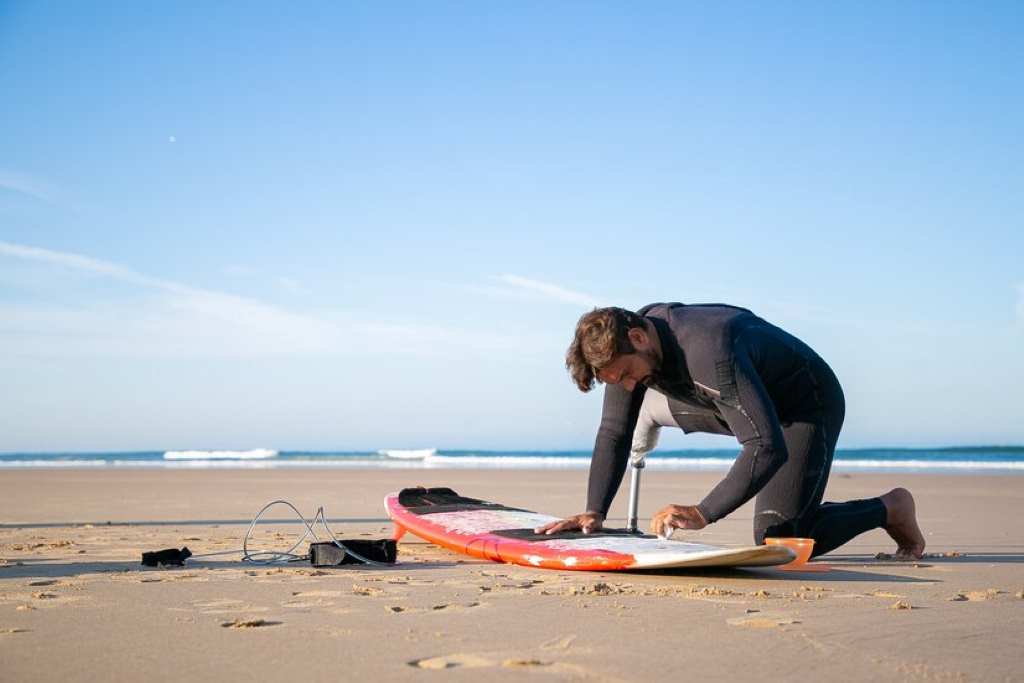
- Surf Wax: To ensure you stay on your board and avoid slipping, apply surf wax before hitting the waves. This simple addition can dramatically enhance your grip.
- Hooded Towel and Surf Watch: A hooded towel helps you change discreetly after your surf session, while a surf watch keeps track of conditions and improves your sessions.
With these essentials, beginners can confidently paddle out and start their surfing journey!
Advanced Equipment for Pro Surfers
For seasoned surfers, the equipment evolves to meet the demands of more challenging waves and tricks. Here’s a glimpse into the advanced gear you might consider:
- Performance Surfboards: Professional surfers often opt for high-performance shortboards tailored to their specific style and local wave conditions. Materials like carbon fiber or epoxy make the board lightweight and responsive.
- Fins: Swapping fins can dramatically affect your board’s performance. Pros often experiment with different fin shapes and setups to enhance maneuverability and drive.
- Leash Upgrades: Advanced surfers benefit from stronger and lighter leashes that can withstand powerful waves without hindering performance.
- High-Tech Wetsuits: Pro-quality wetsuits offer superior flexibility and insulation, fitting like a second skin to maximize movement while keeping surfers warm.
- Surf Cameras: Capturing those thrilling rides on film has become commonplace. Pro surfers often use high-quality action cameras to document their skills and share their adventures.
Investing in high-performance gear enhances the overall surfing experience, making it possible to explore advanced techniques and tackle more formidable surf conditions.
Whether you’re just starting out or pushing the limits as a pro, the right equipment is crucial to surf successfully!
Basic Surfing Techniques

Paddling and Catching Waves
Mastering the foundational skills of paddling and catching waves is essential for any beginner surfer. This phase can be exhilarating yet challenging, as it lays the groundwork for all surfing adventures.
Paddling Technique
- Positioning: Begin by lying belly-down on your surfboard, with your body centered along the board. Ensure your head is slightly elevated and your hands are positioned just below your shoulders.
- Paddling Motion: Employ a smooth and steady paddling motion using one arm at a time. Two-arm paddling may feel more natural, but it’s inefficient. Keep your elbows relaxed and your strokes purposeful, kicking your legs gently to help maintain balance and propulsion.
Here’s an easy-to-remember tip for beginners: imagine you’re making a forward sweeping motion with your hand while keeping your fingers relaxed. This will increase your paddle efficiency and help you move faster through the water.
Catching Waves
Catching a wave is where the real excitement begins. Here are steps to follow:
- Spotting the Right Wave: When you’re out in the water, keep an eye out for breaking waves. Start by aiming for a whitewater wave—these are ideal for beginners since they are easier to ride.
- Paddling Into the Wave: As the wave approaches, paddle hard to match its speed. Timing is crucial; you want to start paddling just as the wave begins to lift your board.
- Positioning: Don’t forget to angle your board towards the shore as you feel the wave’s lift. Keep your focus ahead and prepare for the next step.
Standing Up on the Board
The pop-up is a critical maneuver that transforms you from lying down to standing up on your board. Here’s how to do it effectively:
- Initial Position: While you’re still lying on your board, prepare to pop up by placing your hands below your chest, ensuring you’re in a stable position.
- The Swift Transition: In one smooth motion, push down on your hands, bring your back foot forward, and kick up into a standing position. Avoid using your knees—try to rise quickly to maintain momentum.
- Finding Your Balance: Once standing, bend your knees slightly and keep your feet shoulder-width apart for stability. Focus your eyes on the horizon rather than down at your feet, and let your arms extend for balance.
Remember, the key to your first tries is practice and patience. Wipeouts are part of the journey, so embrace them as learning opportunities.
With time, you’ll find your rhythm and confidence will grow, leading to countless rides on the beautiful waves ahead!
Surfing Etiquette

Rules of the Lineup
Understanding the unspoken rules of the surfing lineup is essential for any surfer, especially those just starting out.
When you hit the water, respecting these rules ensures a safer and more enjoyable surf experience for everyone.
- Priority Matters: The surfer closest to the peak of the wave (the breaking point) has the right of way. If you’re deeper in the lineup, you’re more likely to catch the wave first, so it’s crucial to identify who has priority. Always keep an eye out for those positioned closer to the wave.
- No Dropping In: This cardinal sin involves paddling for a wave that another surfer has already caught, effectively cutting them off. It’s not just rude; it can lead to collisions. If someone is riding the wave, steer clear and wait for your turn.
- Don’t Back-Paddle: Even once you feel comfortable in the lineup, resist the urge to paddle past someone to sit deeper on the wave. This act is considered greedy and inconsiderate. Stick to the surf etiquette and let those who have been waiting longest have their wave.
Remember: patience is a virtue in surfing. Being mindful of these rules fosters a sense of community among surfers and enhances the overall enjoyment of the sport.
Sharing Waves and Respect in the Water
Respect in the water stretches beyond just following rules—it’s about cultivating a positive atmosphere among all surfers. Here are some ways to maintain harmony in the lineup:
- Communicate Clearly: If you’re unsure whether someone is going for a wave, simply ask. A simple “are you going?” or acknowledging another surfer’s position can prevent misunderstandings.
- Share the Stoke: Encourage fellow surfers who are catching waves, especially beginners. Compliment someone for their ride or offer tips if they ask. Building each other up fosters a supportive environment.
- Practice Good Manners: If you accidentally drop in on someone or get in their way, take a moment to acknowledge the mistake with a friendly wave or an apology. This can diffuse any tension and promote respect.
- Keep the Area Clean: Respecting the ocean also means keeping it free from trash. Always pack out what you bring in, and encourage others to do the same.
Incorporating these elements of respect into your surfing experience not only enhances your own enjoyment but also honors the rich culture and community of surfing. Embrace the stoke, share the waves, and, most importantly, have fun out there!
Surfing Safety
Understanding Rip Currents
Surfing is an exhilarating and rewarding experience, but it’s vital to prioritize safety, especially when it comes to understanding rip currents. These powerful water channels can pose a serious hazard to surfers and swimmers alike.
What is a Rip Current? Rip currents are fast-moving channels of water that flow away from the shore. They typically form when waves break over a sandbar or during periods of extreme wave activity.
Knowing how to identify and navigate these currents can save your life. Identifying Rip Currents:
- Look for Differences in Water Color: Rip currents often appear darker due to deeper water. The contrasting colors between the foamy, shallow waters and the deeper water of a rip current can be telling signs.
- Observe Wave Patterns: If you see waves breaking consistently on either side of an area, but not over it, that’s a potential rip current.
- Choppy Surface: Noticeable differences in surface texture, such as a choppy or disturbed water surface, can indicate the presence of a rip.
What to Do If Caught in a Rip Current:
- Stay Calm: The first step is to avoid panicking. It’s easy to become overwhelmed but staying calm will help you think clearly.
- Float or Tread Water: Conserve your energy while assessing the situation.
- Swim Parallel to the Shore: Instead of attempting to swim against the current, swim parallel to the shore to escape its pull. Once you’re out of the current, you can then swim back to the beach at a diagonal.
Always check the local surf report and adhere to safety flags and signs. If you’re unsure, ask a lifeguard for assistance!
Importance of Sun Protection
Another crucial aspect of surfing safety is sun protection. Spending hours in the sun can lead to severe sunburn, skin damage, and long-term health issues. Here’s how to protect yourself: Use Sunscreen:
- Choose a Broad-Spectrum SPF of 30 or Higher: Apply it generously to all exposed skin at least 15 minutes before hitting the waves.
- Reapply Often: Swimming, sweating, and towel drying can diminish your sunscreen’s effectiveness. Remember to reapply every two hours or immediately after swimming.
Wear Protective Clothing:
- Opt for Rash Guards: These not only provide a layer of insulation but also protect against UV rays. Some rash guards even come with built-in UPF (Ultraviolet Protection Factor) ratings for added safety.
- Hats and Sunglasses: A wide-brimmed hat and UV-protected sunglasses can shield your face and eyes from harmful sun exposure while you’re out of the water.
By understanding the risks of rip currents and prioritizing sun protection, you can enjoy your time in the ocean while keeping yourself safe from harm. Always stay informed and prepared, and most importantly, enjoy those waves!
Choosing the Right Surf Spot
Factors to Consider for Beginners
Selecting the right surf spot is crucial for beginner surfers, as it impacts both your safety and learning experience. Here are some essential factors to consider:
- Beach Bottom: Look for beaches with sandy bottoms. These provide a safer environment for falls compared to rocky or reef breaks, minimizing the risk of injuries.
- Wave Conditions: Ideal beginner spots should feature small, gentle waves—think waist-high and gradually breaking. These waves are more forgiving, allowing beginners to practice their skills without overwhelming challenges.
- Minimal Rip Currents: Seek locations with minimal rip currents, as these can be perilous for novice surfers. Always check the surf report beforehand and consult local lifeguards if you’re uncertain.
- Crowd Size: While surfing with others can be motivating, a crowded lineup can lead to conflict and increase the likelihood of accidents. Aim for less populated beaches during your learning phase to give yourself space to practice.
- Accessibility: Choose spots that are easy to access, so you can spend more time in the water and less time commuting. Proximity to surf shops for equipment rentals or surf lessons is also a bonus!
When beginning your surfing journey, it’s best to take the time to find a spot that suits your skill level. It can make all the difference in developing your confidence and technique.
Advanced Surf Locations for Pro Surfers
Once you’ve progressed beyond the fundamentals of surfing and feel confident on the board, it’s time to explore more advanced surf locations. Here are some exciting spots to consider:
- Reef Breaks: Locations that feature reef breaks, such as Teahupo’o in Tahiti and Jaws on Maui, provide powerful waves ideal for experienced surfers looking for a challenge. Be prepared, as these spots demand higher skill levels due to their intensity.
- Point Breaks: Famous for their long, peeling waves, point breaks like Malibu in California or Snapper Rocks in Australia offer ample opportunity for advanced surfers to showcase their skills. The waves often provide great conditions for turns and tricks.
- Heavy Beach Breaks: If you’re up for some thrilling action, consider heavy beach breaks like Ocean Beach in San Francisco or the Brazilian beaches of Itacaré. These spots can produce powerful waves but require surfers to be highly in tune with ocean dynamics.
- International Dream Spots: For adventurous pro surfers, destinations like Bali, Maldives, and Puerto Escondido are legendary for their perfect surf conditions catering to experienced surfing.
Venturing to advanced surf locations can significantly enhance your skills while providing unforgettable experiences. Remember, always assess your abilities relative to the conditions at hand, and prioritize safety as you ride the waves!
Surf Fitness and Training
Exercises to Improve Surfing Skills
Surfing is a physically demanding sport that requires a blend of strength, balance, flexibility, and endurance.
To truly excel in the water, it’s important to incorporate specific exercises into your routine that target the muscle groups and skills used while surfing. Here are some effective exercises to elevate your performance:
- Paddling Drills: Strengthening your upper body is crucial. Incorporate exercises like push-ups, pull-ups, and tricep dips. These help build the muscles needed for effective paddling, which is essential for catching waves.
- Core Workouts: A strong core stabilizes your body while riding the waves. Include planks, Russian twists, and medicine ball exercises to strengthen your abdomen and lower back, enhancing your balance and control on the board.
- Leg Conditioning: Squats and lunges are excellent for building leg strength and endurance. Strong legs help you maintain stability and power when popping up from lying down to standing on your board.
- Balance Training: Balance is key in surfing. Try practicing on a balance board or standing on one foot while performing various tasks. Yoga is also beneficial for enhancing both balance and flexibility.
- Swimming: Spending time in the pool or ocean builds paddling stamina and comfort in the water. Aim for longer distances and different strokes to enhance your overall upper body strength and breathing technique.
By integrating these exercises into your physical training regimen, you’ll be better equipped to tackle the waves and maximize your surfing experience.
Nutrition for Surfers
To fuel your body for the demanding physical activity of surfing, nutrition plays a vital role. A well-balanced diet helps sustain energy levels, supports recovery, and ensures optimal performance. Here are some nutrition tips for surfers:
- Carbohydrates: As a primary energy source, carbs are essential for a surfer’s diet. Incorporate whole grains, fruits, and vegetables in your meals to maintain your energy levels throughout longer surf sessions.
- Protein Intake: Consuming lean proteins, such as chicken, fish, eggs, and legumes, aids in muscle recovery and growth. Aim to eat protein-rich snacks after surfing to help repair muscles worn down from paddling and balancing.
- Hydration: Staying hydrated is vital, especially when you’re out under the sun. Drink plenty of water before, during, and after your surf sessions. Electrolyte drinks can also be beneficial after long hours in the waves.
- Healthy Fats: Include sources of healthy fats like avocados, nuts, seeds, and olive oil to support overall health and provide sustained energy.
Remember, what works for one surfer may not work for another, so listen to your body and find the nutrition strategy that fits your individual needs. A well-rounded approach to fitness and nutrition will help you not only enjoy surfing but also thrive as you progress in the sport. Happy surfing!
Progressing as a Surfer
Setting and Achieving Surfing Goals
As you move beyond the beginner stage, setting and achieving specific surfing goals can significantly enhance your progress and keep you motivated. Setting clear, realistic objectives allows you to focus your efforts and track improvements.
- Define Short-Term Goals: Start small. For example, aim to catch at least two unbroken waves during your next session or perfect your pop-up technique. These small victories can boost confidence and provide tangible milestones.
- Create Long-Term Goals: Perhaps you want to be able to ride green waves consistently, or learn how to perform a bottom turn. Long-term goals should challenge you but also be attainable with commitment and practice.
- Track Your Progress: Keep a journal of your surf sessions. Note conditions, wave counts, techniques practiced, and personal feelings about each session. Over time, this reflection will showcase how much you’ve grown and where you might want to improve.
- Celebrate Your Achievements: Rewarding yourself for reaching goals can encourage further progress. Treat yourself to a new surf accessory or plan a surf trip when you hit a milestone—you deserve it!
By carving out a path for your surfing journey through targeted goals, you’ll find the journey more fulfilling and enjoyable.
Learning Advanced Maneuvers
Once you feel comfortable riding the waves, it’s time to explore advanced maneuvers that can elevate your surfing skills. Here are some techniques to practice as you progress:
- Bottom Turns: This is the foundational maneuver for all surfing. After catching a wave, perform a smooth bottom turn to gain speed and angle yourself for the next section of the wave. Focus on keeping your weight centered and shifting your body smoothly to maintain balance.
- Cutbacks: This maneuver allows you to redirect your movements on the wave. Once you reach the shoulder of the wave, lean into the turn and bring your board back toward the breaking wave, pumping for speed as you do.
- Floaters: Riding on top of the wave’s lip is visually captivating and thrilling. As the wave rolls over, shift your weight back, and ride high on the wave’s crest before dropping back down for a smooth transition.
- Aerials: Advanced surfers often aim to pop off the wave and attempt a maneuver while in the air. This requires perfect timing and control, so practice on smaller waves and progressively build up your confidence.
These advanced techniques not only enhance your overall surfing performance but also deepen your connection with the sport. Embrace the learning process, and enjoy the thrill of tackling new challenges in the water!
Each wave brings a new opportunity to improve, and with dedication and practice, you’ll soon find yourself riding at a whole new level.
Surfing Events and Competitions
Overview of Major Surfing Competitions
Surfing isn’t just a thrilling pastime; it also features a rich competitive landscape that brings together surfers from around the world. Understanding these events can ignite your passion for surfing and provide inspiration to improve your skills.
- World Surf League (WSL): This is the main stage for professional surfers, featuring a Championship Tour (CT) that showcases the best surfers on the globe. The WSL events take place in some of the world’s most iconic surf spots, where competitors strive for points to earn the title of world champion.
- Olympic Games: Surfing made its debut in the Tokyo 2021 Olympics and will return for the Paris 2024 Games in Tahiti. This recognition brought surfing into the international spotlight, showcasing athletes competing for national pride.
- International Surfing Association (ISA) Competitions: The ISA organizes world championships that feature national teams from various countries. This event highlights different surfing styles and fosters international camaraderie among surfers.
- Big Wave Competitions: Iconic events like the Eddie Aikau Big Wave Invitational allow surfers to tackle some of the largest waves known to humankind. Competitors must demonstrate not only skill but also fearlessness as they ride towering swells.
As spectators, watching these competitions can be an exhilarating experience, often providing learning opportunities to see advanced techniques in action.
How to Prepare for a Surfing Competition
If you’re planning to enter a surfing competition, preparation is vital. Here are some tips to help you get ready:
- Understand the Competition Format: Familiarize yourself with the competition rules, including how scores are calculated and the judging criteria. Knowing what judges look for—like wave choice, technique, and style—can greatly impact your performance.
- Practice, Practice, Practice: Build your skills in the weeks leading up to the competition. Focus on catching waves, your turn maneuvers, and enhancing your pop-up technique. If you have access to coaches, leverage their feedback to refine your performance.
- Paddle Fitness: Since paddling is crucial for catching waves, build your endurance with swim training or pool sessions to simulate paddling motions. Strong paddling ability will set you up for success in competition.
- Mental Preparation: Visualize your performance and set realistic expectations. Spend time relaxing and enjoying the process rather than stressing over outcomes. Remember, competitions are as much about the experience as they are about results.
- Check Your Gear: Ensure your surfboard is in top condition. Familiarize yourself with any equipment changes prior to competition day. Ensure your wax, leash, and wetsuit are ready to go.
By preparing comprehensively, you’ll show up not just ready to compete, but to enjoy the camaraderie and thrill of surfing against others who share your passion!
Surfing Community and Culture
Connecting with Other Surfers
One of the most enriching aspects of surfing is the sense of community that accompanies it. Whether you’re catching waves in California, Hawaii, or any other surf hotspot, the culture surrounding surfing fosters friendships and connections unlike any other sport.
- Local Surf Communities: Each beach typically has its own dedicated group of surfers who frequent the spot. Take the time to introduce yourself, join local surf groups on social media, or participate in beach clean-ups. Many experienced surfers welcome newcomers, sharing tips and advice that can help boost your skills.
- Surf Camps and Retreats: If you’re looking to immerse yourself further, consider attending a surf camp or retreat. Not only are these fantastic opportunities to improve your surfing, but they also allow you to bond with fellow enthusiasts. Spending time in a group can help build camaraderie, where shared experiences on the waves lead to lasting friendships.
- Surf Competitions: Watching or even participating in local surf competitions can also strengthen bonds within the surfing community. These events celebrate talent, but they also create a supportive environment where beginners and pros alike can connect through their love of the sport.
Sharing the stoke with fellow surfers enhances the enjoyment of riding the waves, as everyone celebrates each other’s progress in a nurturing atmosphere.
Sustainable Practices in Surfing
As surfers, we have a unique connection to the ocean, which makes it essential to embrace sustainable practices to protect these precious environments. Here are some ways to contribute positively:
- Be Mindful of Waste: Always pack in and pack out. Bring only what you need to the beach, and dispose of waste responsibly. This can help to ensure that our beaches remain pristine for everyone to enjoy.
- Use Eco-Friendly Products: Choose sustainable surf gear, from biodegradable wax to eco-conscious surfboards. Many brands now focus on environmentally friendly materials and practices, making it easier for surfers to minimize their impact.
- Participate in Beach Clean-Ups: Engage in local beach clean-up efforts. These activities not only beautify the beaches but also help protect marine life from pollution.
- Advocate for Marine Conservation: Support local and global conservation initiatives wherever possible. This could include supporting organizations that work to protect marine environments or participating in education programs about ocean health.
By integrating sustainable practices into your surfing routine, you can help ensure that surfing remains a joyful experience for future generations. Embrace the culture of respect and responsibility toward our oceans while you enjoy the incredible gift of riding the waves!
Surf Travel Destinations
Top Surfing Spots Around the World
When it comes to surfing, every wave tells a story, and each surf destination offers a unique adventure. Here are some top surfing spots around the world that cater to surfers of all skill levels:
- North Shore, Oahu, Hawaii: Often considered the birthplace of modern surfing, the North Shore is famous for its legendary waves and breathtaking scenery. With spots like Pipeline and Waimea Bay, it’s a must-visit for both beginners and experienced surfers alike. Just remember, the waves here can get intense, so choose your timing wisely.
- Malibu, California: A surf icon, Malibu boasts a beautiful coastline and a warm surfing culture. The mellow waves are perfect for beginners, while more experienced surfers can challenge themselves along the famous point breaks.
- Cocoa Beach, Florida: Known as the East Coast’s surfing capital, Cocoa Beach features consistent surf and is home to the legendary Ron Jon Surf Shop. It’s an excellent spot for beginners with its sandy bottom and gentle waves.
- Jeffreys Bay, South Africa: This incredible location is famous for its long, perfect rights. The waves at J-Bay attract surfers from around the globe, but the community is welcoming, making it an ideal spot for those looking to progress.
- Bali, Indonesia: With warm waters and great surf year-round, Bali is a surfing paradise. Kuta Beach is perfect for beginners, while Uluwatu and Padang Padang cater to more experienced surfers seeking powerful waves.
Exploring these destinations not only allows you to catch amazing waves but also lets you immerse yourself in local culture and natural beauty.
Planning a Surf Trip
Now that you have a vision for your next surf adventure, it’s time to get organized! Planning a surf trip can feel overwhelming, but breaking it down can make the process more enjoyable.
- Research Your Destination: Study the surf conditions, wave types, and best times to visit your chosen spots. Surf forecasts and local surf shops can provide invaluable information for beginners.
- Book Accommodation Wisely: Choose a place that offers easy access to local beach breaks. Surf camps can be a fantastic option, providing you with lessons, gear rentals, and community engagement.
- Pack Smart: Consider the surfing gear you’ll need, such as surfboards, leashes, wax, and wetsuits. Don’t forget sun protection items, including sunscreen and hats to shield yourself from the harsh rays.
- Stay Hydrated and Nourished: Ensure you keep your energy levels up by staying hydrated and eating a balanced diet during your trip. Bringing along snacks for the beach can help you stay fueled for long surf sessions.
Planning your surf trip can resonate with the excitement of setting foot in new surf towns and connecting with fellow surfers. Embrace the journey, enjoy the stoke, and get ready to ride the waves!
Surfing Resources and References
Books and Websites for Surfers
As you embark on your surfing journey, having access to quality resources can significantly enhance your knowledge and skills. Whether you’re a beginner or looking to refine your skills, the following books and websites are excellent starting points:
- Books:
- “The Surfing Bible” by Paul McGowan: This comprehensive guide covers everything from choosing your first board to mastering advanced techniques. It’s packed with tips, advice, and stunning photography to inspire you along the way.
- “Barbarian Days: A Surfing Life” by William Finnegan: A beautifully written memoir that follows the author’s surfing adventures around the globe. It’s not just about surfing but also about the culture and experiences tied to the sport.
- “Surf Simply: The Untaught Science of Surfing” by the Surf Simply Team: This book provides fundamental concepts of surfing in an approachable manner, making it a great read for any level.
- Websites:
- Surfline: One of the best platforms for surf forecasts and reports. Surfline also offers videos, articles, and tips from experienced surfers to help you improve and stay updated about conditions.
- Magic Seaweed: Another essential site for surf reports and forecasts, it provides insights into various surf breaks worldwide.
- YouTube Channels: Tune into channels like Josh Kerr and Brett Simpson, where both seasoned surfers share tutorials and tips for aspiring wave riders.
Exploring these resources will not only improve your techniques but also deepen your appreciation for surfing culture.
Surfing Associations and Organizations
Being a part of the surfing community is incredibly rewarding, and connecting with surfing associations and organizations can provide you with invaluable support, resources, and networking opportunities.
- International Surfing Association (ISA): This body governs international surfing and organizes various competitions. The ISA also focuses on promoting surfing worldwide and creating guidelines for safe surfing practices.
- World Surf League (WSL): The WSL is the ultimate platform for professional surfers, organizing events that showcase talent from around the world. Engaging with their events can inspire you and keep you updated on the competitive surf scene.
- Local Surf Clubs: Many coastal towns or regions have surf clubs that cater to all skill levels. Joining a local surf club offers a chance to meet fellow surfers, participate in organized surf sessions, and receive coaching or mentorship.
- Surf Conservation Organizations: Groups like Surfrider Foundation work to protect oceans, beaches, and surfing spots. Getting involved can heighten your connection to the environment and enhance your surfing experience.
By utilizing these resources and connecting with organizations, you can enrich your surfing journey, stay motivated, and become an active participant in both the sport and its community!