
Whether you’re surfing the waves or swimming in the ocean, the right footwear can make all the difference. Water shoes protect your feet from sharp rocks, coral, and hot sand while providing the grip and comfort you need. Without them, even a short session in the water can turn painful. Many beginners overlook the importance of water shoes, only to regret it after stepping on a sharp shell or slipping on a rocky surface.
I learned this lesson the hard way during my first surfing trip in Hawaii. After just a few minutes in the water, my feet were covered in cuts from the reef. That experience taught me the value of investing in a good pair of water shoes. For those looking to avoid the same mistake, choosing the right pair is essential.
Why Water Shoes Are Essential for Surfing and Swimming
Water shoes are more than just a comfort accessory—they’re a necessity for anyone spending time in the ocean. According to a study published in the Journal of Foot and Ankle Research, foot injuries are common among water sports enthusiasts, often caused by sharp objects or slippery surfaces. Water shoes act as a barrier, protecting your feet from cuts, scrapes, and even stubbed toes.
Additionally, they provide traction on slippery rocks and reefs, reducing the risk of falls. This is especially important for surfers, who often need to walk across uneven terrain to reach the lineup. For swimmers, water shoes can also improve performance by enhancing stability and reducing drag in the water.
Hawaii’s volcanic beaches, for example, are notorious for their sharp rocks and coral. Without proper footwear, even a short swim can leave your feet battered. Investing in a quality pair of surf water shoes ensures you can focus on the fun without worrying about injuries.
Key Features to Look for in Water Shoes
Not all water shoes are created equal, so it’s important to know what to look for. First, consider the material. Neoprene is a popular choice because it’s flexible, quick-drying, and provides a snug fit. Mesh is another great option, as it allows water to drain quickly while keeping debris out. Avoid shoes made from heavy or non-breathable materials, as they can become uncomfortable during long sessions.
Next, pay attention to the sole. A thick, rubber sole with a textured pattern offers the best grip on slippery surfaces. Some water shoes also feature reinforced toes for added protection against sharp objects. The fit is equally important—water shoes should be snug but not too tight, as they’ll stretch slightly when wet.
Finally, consider the closure system. Velcro straps or elastic laces provide a secure fit, while slip-on styles are more convenient for quick on-and-off. Think about how you’ll be using the shoes. If you’re surfing, you might prefer a more secure fit, while swimmers may prioritize ease of use.
Types of Water Shoes for Different Activities
Water shoes come in various styles, each designed for specific activities. For surfing, you’ll want a shoe with a thin, flexible sole that allows you to feel the board beneath your feet. These shoes often have a low profile to avoid interfering with your balance. Look for styles with a secure fit to prevent them from slipping off in the waves.
For swimming, lightweight and minimalist water shoes are ideal. These are designed to reduce drag and provide just enough protection for casual swims or beach walks. They’re often made from mesh or other breathable materials to keep your feet cool and comfortable.
If you’re planning to explore rocky shores or tide pools, opt for a more rugged water shoe with a thicker sole and reinforced toes. These shoes are built to handle rough terrain and provide extra protection against sharp objects. Some even feature drainage holes to allow water to flow in and out, keeping your feet dry and comfortable.
How to Find the Perfect Fit
Finding the right fit is crucial for comfort and performance. Water shoes should fit snugly but not so tight that they cause discomfort. Remember, they’ll stretch slightly when wet, so it’s better to size down if you’re between sizes. Try them on with the socks you plan to wear, if any, to ensure a proper fit.
Walk around in the shoes to test their comfort and support. Pay attention to how they feel on your arches and heels. If they rub or pinch anywhere, they’re not the right fit. It’s also a good idea to test them in water if possible. This will give you a better idea of how they’ll perform in real conditions.
If you’re buying online, check the brand’s sizing chart and read customer reviews for insights on fit. Some brands run small or large, so it’s important to do your research. Don’t hesitate to try a few different sizes or styles to find the perfect match.
Top Materials for Durability and Comfort
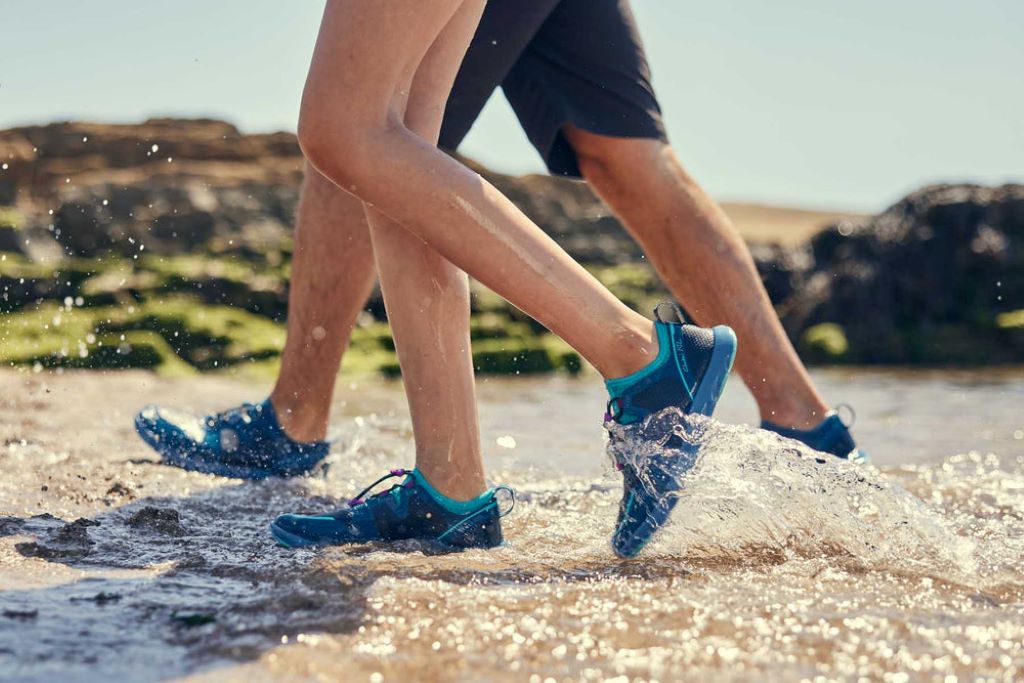
The material of your water shoes plays a big role in their durability and comfort. Neoprene is a top choice for many water sports enthusiasts because it’s flexible, lightweight, and quick-drying. It also provides a snug fit that molds to your feet over time. However, neoprene can be less breathable than other materials, so it’s best for shorter sessions.
Mesh is another popular option, especially for swimming and casual water activities. It’s highly breathable and allows water to drain quickly, keeping your feet cool and dry. However, mesh may not offer as much protection against sharp objects as other materials.
For maximum durability, look for water shoes made from rubber or synthetic materials. These are often used in the soles to provide grip and protection. Some shoes combine multiple materials, such as a mesh upper with a rubber sole, to offer the best of both worlds. Consider the type of activities you’ll be doing and choose materials that suit your needs.
Caring for Your Water Shoes
Proper care can extend the life of your water shoes and keep them performing their best. After each use, rinse them with fresh water to remove salt, sand, and debris. This prevents buildup that can cause odors or damage the material over time. Allow them to air dry in a well-ventilated area, away from direct sunlight, which can cause the material to degrade.
If your shoes develop an odor, try soaking them in a mixture of water and vinegar or baking soda. This can help kill bacteria and freshen them up. Avoid using harsh detergents or bleach, as these can damage the material and reduce the shoes’ effectiveness.
Store your water shoes in a cool, dry place when not in use. Avoid leaving them in a hot car or exposed to extreme temperatures, as this can cause the material to warp or crack. With proper care, your water shoes can last for many seasons of fun in the water.
Personal Story: My Search for the Perfect Water Shoes
I’ll never forget the day I realized I needed water shoes. I was surfing at a local break in California, and the reef was sharper than I expected. After just a few waves, my feet were covered in cuts, and I had to call it a day. Determined to find a solution, I started researching the best water shoes for surfing.
I tried a few different styles before finding the perfect pair. They were made from neoprene with a rubber sole, providing both flexibility and protection. The first time I wore them in the water, I noticed an immediate difference. I could walk confidently across the reef, and my feet stayed comfortable throughout my session. That pair of shoes became a staple in my surfing gear, and I’ve never looked back.
If you’re struggling to find the right water shoes, don’t give up. It may take some trial and error, but the right pair is out there. Once you find them, you’ll wonder how you ever managed without them.
FAQs
What is the best material for water shoes?
Neoprene and mesh are both excellent choices. Neoprene provides a snug fit and flexibility, while mesh is breathable and quick-drying. For durability, look for shoes with rubber soles.
How do I know if my water shoes fit properly?
Water shoes should fit snugly but not too tight. They’ll stretch slightly when wet, so it’s better to size down if you’re between sizes. Walk around in them to test their comfort and support.
Can I wear water shoes for activities other than surfing and swimming?
Yes! Water shoes are versatile and can be used for a variety of activities, including hiking near water, kayaking, and even yoga on the beach.
How do I clean my water shoes?
Rinse them with fresh water after each use to remove salt, sand, and debris. Allow them to air dry in a well-ventilated area. For odors, soak them in a mixture of water and vinegar or baking soda.
Are water shoes necessary for swimming?
While not always necessary, water shoes can provide protection and traction, especially in areas with sharp rocks or coral. They’re a great investment for swimmers who frequent these environments.
Conclusion
Water shoes are a game-changer for anyone who spends time in the ocean. They protect your feet from injuries, provide grip on slippery surfaces, and enhance your overall comfort. Whether you’re surfing, swimming, or exploring rocky shores, the right pair of water shoes can make your experience safer and more enjoyable.
Take the time to find a pair that fits well and suits your needs. Consider the material, sole, and fit to ensure you get the most out of your investment. With the right water shoes, you can focus on the fun without worrying about your feet.
Now, it’s your turn. Have you found a pair of water shoes that you love? Share your recommendations or experiences in the comments below—we’d love to hear from you!

