
Surfing is not merely a recreational activity; it’s a physically demanding sport that requires a unique blend of skill, technique, and endurance. One of the most critical elements that can make or break a surfing session is stamina. Surfers often find themselves battling the ocean’s relentless waves, and when fatigue sets in, performance can quickly decline.
Stamina plays a significant role in various aspects of surfing. Whether it’s paddling out to catch the perfect wave or maintaining balance on the board, endurance is essential. Surfers need to have the energy to stay in control of their movements, whether they’re riding a small wave or tackling a more formidable swell.
To illustrate the importance of stamina, consider this scenario: Imagine a surfer who can paddle out with ease, skillfully navigating through the rough waters. After catching a few waves, they begin to tire. Suddenly, it’s more challenging to make those quick adjustments on the board, which can lead to missed opportunities or even wipeouts. This is where the impact of reduced stamina becomes evident.
Warm-up Routines
Dynamic Stretches
Before hitting the waves, a solid warm-up routine is crucial for any surfer. Dynamic stretches are an excellent way to prepare the body for the demands of surfing. Unlike static stretches, which involve holding a position, dynamic stretches promote mobility and increase blood flow to the muscles. This helps prevent injuries and improves overall performance on the water.
Imagine gearing up for a surf session. You step onto the beach and can feel the excitement bubbling inside you. But before diving into the water, incorporating some dynamic stretches can amp up your body and keep it injury-free! Here are a few effective dynamic stretches:
- Arm Circles: Stand with feet shoulder-width apart. Extend your arms to the sides and make small circles, gradually increasing their size. This warms up your shoulders and prepares them for paddling.
- Leg Swings: Hold onto a wall or fence for balance. Swing each leg forward and backward, and also side to side. This helps to loosen up the hip flexors and prepares your legs for quick maneuvers on the board.
- Torso Twists: Stand with your feet shoulder-width apart and twist your torso to the left and right. This promotes mobility in your spine and warms up your oblique muscles, critical for balance.
Cardio Exercises
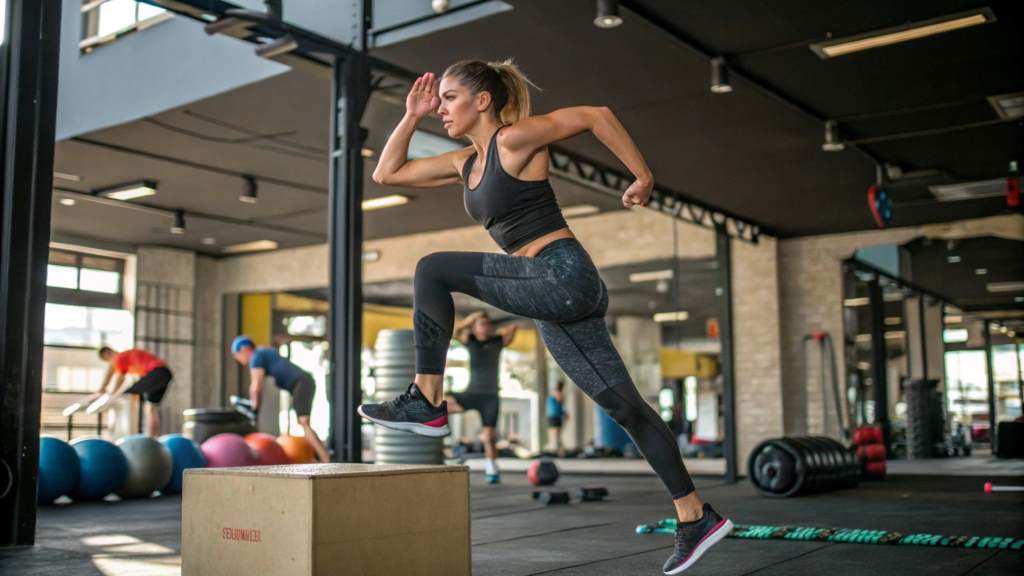
Now that you’ve warmed up your muscles, it’s time to get your heart pumping with some cardio exercises. These routines help boost endurance, ensuring you can paddle vigorously through surf breaks without feeling completely spent.
Consider incorporating activities like:
- Jumping Jacks: A classic move that gets the blood flowing and can be done anywhere. Aim for 30 seconds of constant movement.
- Burpees: While a bit more intense, burpees engage your whole body and mimic the explosive movements used in surfing to get back onto your board after a fall.
- Running or Skipping Rope: Even just a few minutes can elevate your heart rate significantly. Plus, it’s a great way to mentally prepare for the waves.
With these dynamic stretches and cardio exercises integrated into your warm-up routine, you’re setting the stage for a performance-packed surf session. Remember, taking the time to prepare your body not only enhances your surfing but can also make for a more enjoyable time on the water!
Strength Training
Core Workouts
After successfully warming up your body and boosting your heart rate, the next step in enhancing your surfing performance is strength training. Among the various fitness components, core workouts deserve special attention for surfers. A strong core provides stability, improves balance, and ensures better control when riding waves.
Think back to that exhilarating moment when you’re gliding smoothly across a wave. That sense of control stems from a solid core foundation. Integrating core workouts into your routine can help you achieve this. Here are some effective exercises to consider:
- Planks: A staple for core training, planks engage multiple muscle groups, including your abs, back, and shoulders. Start by holding a plank position for 30 seconds, gradually increasing the duration as you get stronger.
- Russian Twists: Seated on the ground with your feet lifted, twist your torso to touch the ground beside you, alternating sides. This exercise simulates the rotational movements needed while on a surfboard.
- Medicine Ball Slams: This explosive movement works the entire body while specifically targeting your core. Lift a medicine ball overhead and slam it to the ground with force, repeating for 10–15 reps.

Upper Body Exercises
While a strong core is essential, upper body strength is equally important for paddling out and maintaining balance on your board. Cultivating stronger arms, shoulders, and back muscles can immensely enhance your surfing experience.
Here’s a mix of upper body exercises that can help build the required strength:
- Push-ups: Basic yet effective, push-ups target your chest, shoulders, and triceps. For added difficulty, try variations such as decline or diamond push-ups.
- Pull-ups: Great for upper back and arm strength, pull-ups mimic the pulling motion required during paddling. If regular pull-ups are challenging, consider using resistance bands for assistance.
- Dumbbell Rows: Bent over with a dumbbell in each hand, pull the weights towards your chest. This engages the lats and mimics the pulling action when you’re paddling.
Incorporating core workouts and upper body exercises in your training regimen can lead to a noticeable improvement in your surfing performance. By building strength in these key areas, you’ll paddle out with less fatigue, ride the waves with increased control, and, ultimately, extend your session in the water with confidence!
Endurance Building
Long Distance Paddling
Having established a solid foundation in strength training, the next vital phase of surfing preparation focuses on endurance building. Good endurance enables surfers to tackle long sessions without succumbing to fatigue. One effective way to enhance endurance is through long-distance paddling.
Paddling is arguably one of the most physically demanding aspects of surfing. Picture this: you’re out in the water, buoyed by waves, and your goal is to catch that perfect swell. However, if fatigue hits you before you reach the lineup, you might miss out on valuable waves. To counteract this, incorporating long-distance paddling into your fitness routine can pay dividends.
A few suggestions for long-distance paddling include:
- Paddleboarding: Take your surfboard out for a longer paddle session, heading away from the shore and back at a steady pace. This not only builds endurance but also improves your paddling technique.
- Interval Sessions: Alternate between periods of hard paddling and recovery paddling. For example, paddle hard for 5 minutes, then paddle at a slower pace for 2 minutes, repeating this for a total of 30 minutes.
- Open Water Swimming: If you have access to open water, swimming is an excellent complimentary workout to enhance your paddling muscles and overall cardiovascular endurance.

High-intensity Interval Training
Alongside long-distance paddling, High-Intensity Interval Training (HIIT) offers another fantastic method for building endurance while enhancing strength simultaneously. HIIT consists of short bursts of intense activity followed by brief rest periods, allowing you to push your limits.
The beauty of HIIT is versatility; it can easily be tailored to suit your preferences. Consider trying:
- Circuit Training: Create a circuit comprising various exercises—push-ups, burpees, and jump squats—perform these at maximum effort for 30 seconds each, followed by 15 seconds of rest. Repeat for 20-30 minutes for a killer workout.
- Sprinting: Incorporate sprints into your training routine. Sprinting for 20-30 seconds, followed by a 1-minute walk or jog, can significantly boost your cardiovascular endurance.
- Plyometrics: Exercises like box jumps and squat jumps engage multiple muscle groups while also improving cardiovascular capacity, providing the perfect blend for surfing strength and endurance.
Combining long-distance paddling and HIIT into your training regimen can yield remarkable improvements in your overall surfing endurance. As you boost your aerobic capacity, you’ll find yourself more resilient out in the waves, allowing for longer, more enjoyable sessions that keep your surfing spirit alive!
Recovery Methods
Foam Rolling
After an intense surf session filled with paddling, wave riding, and endurance training, your body craves recovery. One of the most effective recovery methods is foam rolling. This self-myofascial release technique helps alleviate muscle soreness, release tightness, and improve flexibility, making it a must-have addition to your post-surf routine.
Imagine coming home after a thrilling day on the waves, with your muscles feeling tight and achy. Instead of just crashing on the couch, rolling out those muscles with a foam roller can make all the difference. Here are a few foam rolling techniques that surfers should consider:
- Back Roll: Lie down on the foam roller, allowing it to support your spine. Gently roll from your upper back to your lower back to relieve tension accumulated from paddling.
- IT Band Roll: Sitting on the ground, place the foam roller under your hip and slowly roll down the outside of your thigh. This addresses tightness that can develop from balancing on the board.
- Quad Roll: Face down with the foam roller under your quadriceps, gently roll back and forth. This will help alleviate soreness from paddling or positioning yourself on the board during rides.
Integrating foam rolling into your recovery routine can speed up muscle recovery, allowing you to hit the waves again sooner and perform at your best.
Proper Nutrition for Surfers
Alongside foam rolling, paying attention to nutrition is critical for effective recovery. The right food choices can replenish energy levels, repair muscles, and enhance overall performance. Surfers need to fuel their bodies with nutrient-dense foods essential for recovery.
A well-rounded approach to nutrition includes:
- Hydration: Always hydrate before, during, and after your surf sessions. Water is vital for muscle function and recovery. Consider electrolyte drinks during intense workouts to replenish lost fluids and minerals.
- Protein: Post-surf meals should include a good source of protein to aid muscle repair. Options like grilled chicken, fish, eggs, or plant-based proteins like lentils and chickpeas are excellent choices.
- Complex Carbs: Carbohydrates provide sustained energy. Include foods like sweet potatoes, quinoa, and whole-grain rice in your diet to fuel future surf sessions.
- Healthy Fats: Essential fatty acids found in avocados, nuts, and fatty fish not only promote heart health but also help reduce inflammation in muscles.
Incorporating foam rolling and focusing on proper nutrition can significantly enhance recovery processes for surfers. By taking care of your body and fueling it right, you prepare yourself to conquer the waves with renewed energy and vigor, ensuring that surfing remains an exhilarating and enjoyable experience.