
The ocean is a symphony of motion, a constantly shifting canvas of power and grace. For surfers, this ever-changing environment presents both the ultimate playground and the ultimate puzzle. You’ve seen those effortless rides, the surfers who seem to materialize exactly where the wave is breaking perfectly, gliding down the line with an almost mystical intuition. What’s their secret? It’s not magic; it’s a profound understanding of how to read waves.
Imagine paddling out, feeling the rhythm of the ocean, and knowing, with almost prescient certainty, which lump on the horizon will transform into your next epic ride. Picture yourself perfectly positioned as the wave peaks, dropping in smoothly, and carving your way across the face. This isn’t just a dream; it’s an achievable reality for any surfer willing to invest in learning the language of the sea.
This comprehensive guide will demystify wave reading, equipping you with the knowledge and observation skills to significantly improve your surfing timing. We’ll delve into the fundamental principles, practical techniques, and advanced insights that will transform your approach to every session. Get ready to unlock the ocean’s secrets and elevate your surfing to a whole new level.
The Foundation: Understanding How Waves Work
Before we can “read” waves, we need a basic understanding of how they are formed and behave. This isn’t a physics lecture, but a practical overview to help you interpret what you see.
-
Wave Generation: Wind, Fetch, and Swell
Waves are primarily generated by wind blowing over the surface of the ocean. The stronger the wind, the longer it blows, and the greater the “fetch” (the distance over which the wind blows), the larger and more powerful the waves will be.
- Swell: Once generated, waves travel outwards from their source, often consolidating into long, consistent lines of energy called “swell.” This is what most surfers are looking for. Swell can travel thousands of miles across the ocean before reaching a coastline.
- Local Wind Chop: In contrast, local wind can create smaller, choppier waves that are less organized and often harder to surf. While they can offer a fun ride on occasion, most surfers prefer the clean lines of groundswell.
-
Wave Anatomy: Breaking Down the Beast
Every wave, regardless of its size, has distinct parts that dictate how and where it will break.
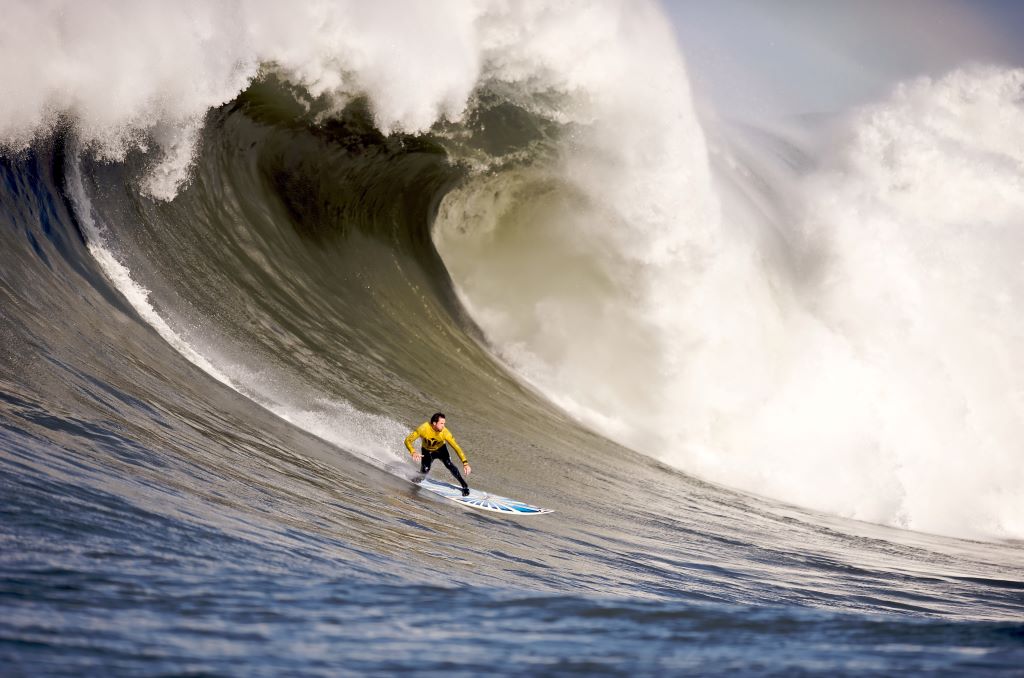
- Face: The smooth, unbroken part of the wave that surfers ride.
- Lip: The curling top section of the wave that pitches forward as it breaks.
- Peak: The highest point of the wave, where it’s about to break or is just beginning to break.
- Shoulder: The unbroken part of the wave extending from the peak, offering a longer, more rideable section.
- Trough: The low point between two waves.
- White Water: The foamy, turbulent water left behind after a wave has broken.
-
The Crucial Role of the Ocean Floor (Bathymetry)
This is where things get really interesting for wave readers. The shape of the ocean floor, or “bathymetry,” is the primary factor dictating how a wave will break. As swell approaches shallower water, the bottom of the wave drags, slowing down while the top continues at its original speed. This causes the wave to steepen, eventually pitching over and breaking.
- Reef Breaks: Waves breaking over coral or rock reefs. These can be incredibly consistent and powerful, often creating hollow, fast-breaking waves due to the abrupt change in depth. They can also be dangerous if you fall.
- Point Breaks: Waves breaking around a headland or point of land. These often offer long, peeling rides as the wave wraps around the point, breaking along a consistent line.
- Beach Breaks: Waves breaking over sandbars. These are often less predictable as sandbars shift with currents and storms. They can offer a variety of breaks, from gentle rollers to powerful, dumping waves.
Beyond the Basics: Practical Wave Reading Techniques
Now that we understand the fundamentals, let’s dive into the practical skills you need to become a master wave reader. This isn’t about memorizing rules; it’s about developing an intuitive feel for the ocean through diligent observation.
-
The Horizon Scan: Anticipating the Set
Before you even paddle out, spend time observing the ocean from the shore. This is your reconnaissance mission.
- Look for Sets: Waves often arrive in “sets” – groups of larger waves followed by a lull. Identify the pattern. Are the sets consistent in size and frequency? How long is the lull between sets? This will help you know when it’s safe to paddle out and when to conserve energy.
- Identify the Primary Break Zone: Where are most of the waves breaking? Is it a consistent peak, or are they breaking all over the place? This tells you where to position yourself.
- Note the Wave Shape: Are the waves clean and peeling, or are they dumping suddenly? This gives you clues about the intensity and rideability.
-
The Paddle Out: Reading While Moving
Your observation shouldn’t stop once you’re in the water. As you paddle out, continuously scan the horizon and your immediate surroundings.
- Watch the Peaks: As a wave approaches, identify its peak. This is where the wave will start to break first.
- Observe the Shoulders: Which way is the wave “shouldering”? Is it breaking predominantly left, right, or both? This tells you which direction you’ll be able to ride. A good wave will have a long, open shoulder.
- Look for “Lumps” and “Bumps”: These subtle changes in the water’s surface can be early indicators of an approaching wave, even before it starts to steepen significantly.
- Pay Attention to Cross-Swell: Sometimes, multiple swells from different directions can interact, creating unpredictable peaks. Be aware of these cross-currents and their impact on wave formation.
-
Positioning Perfection: The Key to Timely Take-Offs
Reading waves is pointless if you can’t position yourself effectively. This is where your observation skills directly translate into successful rides.
- The “Sweet Spot”: For each wave, there’s a “sweet spot” – the ideal position to be in as the wave peaks and is about to break. It’s usually just behind the peak, allowing you to paddle into the wave as it begins to steepen.
- The Art of the Paddle: Don’t just paddle aimlessly. Paddle with purpose. Once you identify your wave, paddle directly towards the peak, matching its speed. A strong, decisive paddle is crucial for catching waves.
- Adjusting Your Position: The ocean is dynamic. If you’re too far inside, the wave will break on top of you. Too far outside, and it will pass under you. Constantly adjust your position based on the approaching wave, using subtle changes in your paddle direction and speed.
- Observe Other Surfers (Wisely): While it’s good to learn from experienced surfers, don’t just blindly follow them. Understand why they are positioning themselves where they are. Their spot might not be your sweet spot, especially if they are at a different skill level.
-
The Pop-Up Moment: Timing is Everything
You’ve identified your wave, positioned yourself, and now it’s time for the crucial take-off.
- Feel the Lift: As the wave lifts your board, you’ll feel a distinct surge of energy. This is your cue to start paddling hard and commit to the take-off.
- Look Where You Want to Go: Don’t stare down at your board. Look down the line, towards where you want to ride. This helps with balance and naturally directs your body.
- The Power Paddle: Give it those last few powerful strokes as the wave pushes you. This momentum is essential for a smooth and controlled take-off.
- Don’t Rush, Don’t Wait: It’s a delicate balance. Rushing can lead to pearling (nose diving), while waiting too long means the wave will break without you. Practice develops this instinctive timing.
Advanced Insights: Reading the Nuances
As you gain experience, you’ll start to notice more subtle cues that separate the good wave readers from the great ones.
- Currents and Rips: Understand how currents affect wave formation and your ability to paddle into position. Rips can be your friend (getting you out quickly) or your enemy (pulling you out of position).
- Wind Direction and Strength: Onshore winds can make waves choppy and less powerful, while offshore winds can “hold up” the wave, making it more hollow and perfect. Cross-shore winds can create difficult sections.
- Tides: Tides significantly impact how waves break, especially at beach breaks. A spot that works perfectly at high tide might be a close-out at low tide, and vice-versa. Always check the tide chart.
- Refraction: This is the bending of waves as they enter shallower water or encounter an obstacle. Refraction can cause waves to bend around points or intensify in certain areas, creating better-shaped rides.
- The “Feel” of the Ocean: Ultimately, reading waves becomes an intuitive process. The more time you spend in the water, the more you’ll develop an innate sense of the ocean’s rhythm and energy. This “feel” is cultivated through consistent practice and keen observation.
Beyond the Break: Safety and Etiquette
Knowing how to read waves isn’t just about catching more rides; it’s also about staying safe and being a respectful member of the surf community.
- Understanding Sets: Never paddle out directly into an incoming set. Wait for the lull.
- Rip Currents: Learn to identify and escape rip currents. They are a common cause of distress for inexperienced surfers.
- Surf Etiquette: Understand the unwritten rules of the lineup: right of way, not dropping in on others, respecting local surfers. A good wave reader is also a good surf citizen.
Your Call to Action: Ride the Green!
Learning to read waves is an ongoing journey, not a destination. It requires patience, observation, and countless hours in the water. But the rewards are immense: more waves, longer rides, and a deeper connection to the ocean.
So, what are you waiting for? Grab your board, head to the beach, and start observing. Practice scanning the horizon, feeling the ocean’s pulse, and adjusting your position. Don’t be afraid to make mistakes; they are part of the learning process.
Ready to transform your surfing? Start applying these wave-reading techniques on your next session. Observe, learn, and paddle with purpose. The ocean is calling – go out there and ride the green face!
Read More:
Ride the Wave: How to Choose the Perfect Surfboard for Your Skill Level
Top 10 Surfing Tips for Beginners to Ride Like a Pro: Your Ultimate Guide to Conquering Waves

