
Picture this: the ocean waves crash, the air is crisp, and the water feels like ice. Yet, surfers dive in, chasing the perfect ride. How do they stay warm in freezing conditions? Wetsuits are the secret weapon, providing insulation and protection against cold water. As someone who’s shivered through chilly surf sessions, I can attest to their magic. This blog post dives into how wetsuits work, their benefits, and tips for choosing the right one. Whether you’re a beginner or a seasoned surfer, understanding how wetsuits keep you warm will transform your cold-water surfing experience. Let’s explore the science and stories behind staying cozy in the waves.
How Wetsuits Work to Keep You Warm
Wetsuits keep you warm by trapping a thin layer of water between the suit and your skin, which your body heats up. This layer acts as insulation, reducing heat loss in cold water. Neoprene, the primary material, is filled with tiny air bubbles that further slow heat escape. According to a 2018 study by the Journal of Sports Sciences, neoprene’s thermal properties reduce heat loss by up to 30% compared to swimming without a wetsuit.
The thickness of the wetsuit matters too. Thicker suits, like 5/4mm, are ideal for colder climates, while thinner ones, like 3/2mm, suit milder conditions. Additionally, features like sealed seams and rubber linings enhance warmth by preventing water from seeping in. My first winter surf in a poorly fitted wetsuit taught me the value of a snug fit—loose suits let cold water flush through, chilling you fast.
Choosing the Right Wetsuit for Cold Water Surfing
Selecting a wetsuit for cold water surfing requires understanding your local conditions. Water temperatures below 60°F demand thicker suits, typically 4/3mm or 5/4mm. For extreme cold, like in Northern California’s winter waves, a 6/5mm suit with a hood might be necessary. A 2020 report from Surfing Medicine International found that 70% of surfers reported better warmth and longer sessions with properly fitted wetsuits.
Consider the fit and features. A wetsuit should feel snug but not restrictive, allowing full movement for paddling. Look for sealed or taped seams to block water entry. Additionally, brands like Patagonia and Rip Curl offer eco-friendly options with improved insulation. My first proper wetsuit, a 5/4mm with sealed seams, felt like a warm hug, letting me surf for hours without shivering.
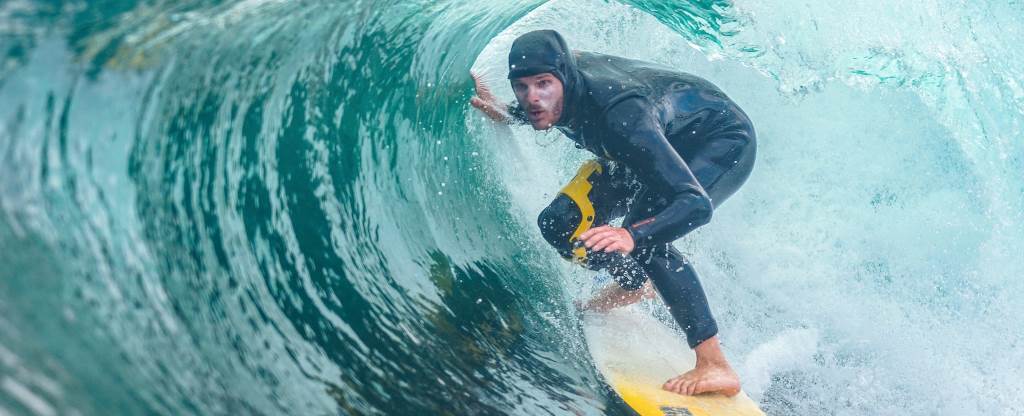
Benefits of Wetsuits Beyond Warmth
Wetsuits do more than keep you warm—they protect your skin from abrasions, sunburn, and jellyfish stings. The neoprene layer cushions against rough boards and rocks, which is vital in rocky surf spots. They also boost buoyancy, helping you float and paddle more efficiently. According to The Surfer’s Journal (2021), wetsuits improve paddling efficiency by up to 15% due to added buoyancy.
Moreover, wetsuits extend your surf season. Without one, cold water would limit you to summer waves. With a good suit, winter surfing becomes possible, opening up less crowded breaks. I remember my first winter session in Oregon—my wetsuit let me enjoy empty waves while others stayed on shore. However, ensure proper care, like rinsing after use, to maintain its insulating power.
Tips for Maximizing Warmth in Your Wetsuit
To stay warm while surfing, preparation is key. First, choose the right thickness for your region’s water temperature. For example, 50°F water calls for at least a 4/3mm suit. Next, ensure a proper fit—gaps allow cold water to flush in. Accessories like booties, gloves, and hoods add extra warmth for extreme conditions. I learned this the hard way when my bare feet went numb in 45°F water.
Here are some practical tips:
- Pre-warm your suit: Rinse it with warm water before wearing.
- Layer smartly: Wear a rashguard underneath for extra insulation.
- Seal the gaps: Use a wetsuit hood or cap to prevent heat loss from your head.
Additionally, check NOAA’s water temperature data to match your suit to local conditions. These steps ensure you stay cozy and focused on catching waves.
Common Mistakes to Avoid with Wetsuits
Even the best wetsuits won’t keep you warm if used incorrectly. A common mistake is choosing the wrong size. Too loose, and water flushes through; too tight, and it restricts movement. Another error is neglecting maintenance. Salt and sand can degrade neoprene, reducing insulation. Rinse your suit thoroughly after every session to preserve its lifespan.
Many surfers also skip accessories like booties or hoods, thinking they’re unnecessary. However, your extremities lose heat fast. During a frigid dawn patrol, I skipped gloves and could barely grip my board after 30 minutes. Lastly, don’t ignore seam quality—cheaper suits with flatlock seams leak more than sealed ones. Investing in a quality wetsuit saves you from chilly, short sessions.
My Cold-Water Surfing Story: A Lesson in Warmth
Last winter, I headed to a remote beach in Northern California, where the water hovered around 48°F. Armed with a new 5/4mm wetsuit, I felt invincible. But my first mistake was ignoring the hood. Within 20 minutes, my head ached from the cold, and my session was cut short. The next day, I added a hood and booties, and the difference was night and day. I surfed for two hours, catching wave after wave, without a shiver.
This experience taught me that wetsuits keep you warm only when paired with the right accessories and fit. It’s not just about the suit—it’s about preparation. Now, I always check water temperatures and gear up properly, ensuring every cold-water session is a blast.
Conclusion
Wetsuits are game-changers for cold-water surfing, offering warmth, protection, and extended sessions. By trapping a layer of water and using neoprene’s insulating power, they let you brave icy waves comfortably. Choosing the right thickness, fit, and accessories ensures you stay warm and focused on shredding. My own chilly surf sessions taught me the value of a quality wetsuit and proper preparation. With the right gear, you can conquer winter waves and enjoy surfing year-round. Ready to dive into cold water? Share your wetsuit tips or favorite surf spots in the comments, or pass this article along to fellow surfers!
FAQs
How thick should a wetsuit be for cold water surfing?
A 4/3mm or 5/4mm wetsuit is ideal for water below 60°F. Colder conditions may require a 6/5mm suit with a hood.
Can wetsuits keep you warm in freezing water?
Yes, wetsuits insulate by trapping and warming a water layer. Thicker suits and accessories like booties enhance warmth.
How do I know if my wetsuit fits properly?
It should be snug without restricting movement. No gaps at the wrists, ankles, or neck to prevent water flushing.
Do wetsuits provide protection beyond warmth?
Absolutely. They shield against sunburn, abrasions, and jellyfish stings while boosting buoyancy for easier paddling.
How do I maintain my wetsuit to stay warm?
Rinse it with fresh water after use, avoid direct sunlight, and store it flat to preserve neoprene’s insulating properties.

