
Surfing is more than a sport—it’s a lifestyle, a culture, and a connection to the ocean. But have you ever wondered how surfers manage to carve those powerful waves with such precision? The answer lies in a small yet revolutionary invention: the surfboard fin. This article dives into the history of surfing to uncover who invented the surfboard fin, exploring the pioneers, designs, and innovations that shaped modern surfboards. From ancient surfboards to high-performance surfing, let’s ride the surfboard timeline and discover the minds behind the magic.
The Roots of Surfing: Ancient Surfboards and Early Innovators
Surfing’s story begins long before the surfboard fin came into play. In ancient Hawaii, Hawaiian surfing was a sacred tradition. Locals rode waves on solid wood boards, often crafted from types of woods like koa. These ancient surfboard shapes were long, heavy, and finless, offering little directional stability. According to historians, these boards could weigh over 100 pounds—imagine hauling that into the surf!
One early figure in this history of surfing was George Freeth. Known as the “Father of Modern Surfing,” Freeth brought Hawaiian surfing to California in the early 1900s. However, his boards, like those of his predecessors, lacked fins. Riders relied on skill and body positioning to steer, a challenge on larger surf or knee-high waves. So, who took the leap to add that game-changing design element?
The Birth of the Surfboard Fin: A Game-Changer Emerges
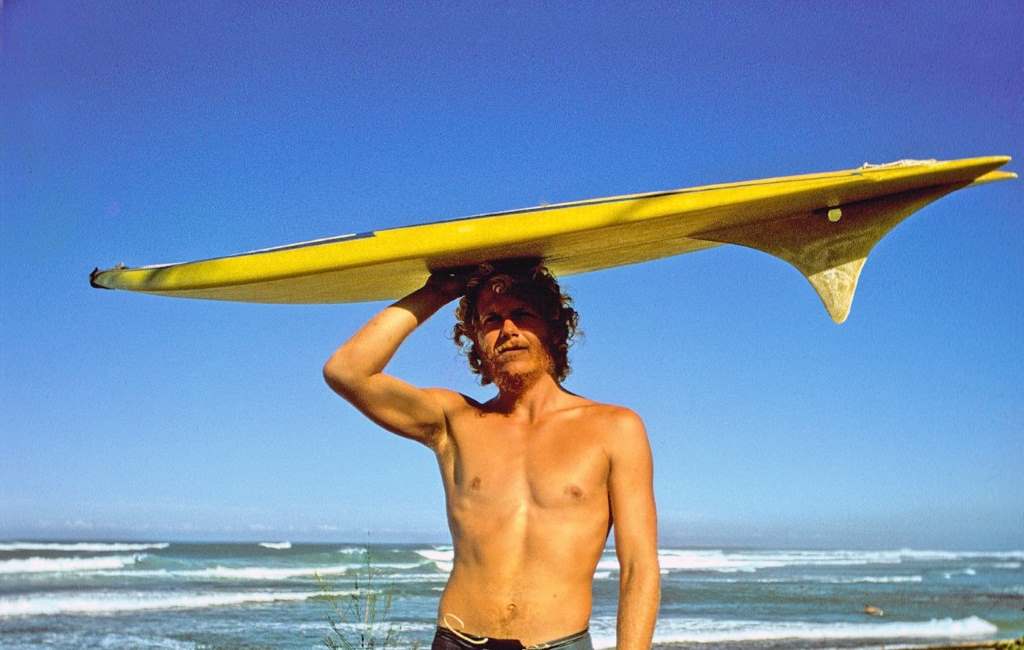
The surfboard fin’s origin is a tale of curiosity and experimentation. Many point to George Downing as a key player. In the late 1940s, Downing, a Hawaiian surfer, began tinkering with board designs. He wasn’t alone—John Kelly and other recreational surfers were also pushing boundaries. But it was Tom Blake who often gets credit for the first fin. In 1935, Blake, a visionary in the surfing market, attached a fixed keel-like fin to his hollow surfboard. This single fin design improved stability and control, marking a leap in levels for surfers everywhere.
Blake’s innovation wasn’t perfect, though. His early fins were rudimentary, often made from wood or metal. Still, they laid the groundwork for the board revolution. According to a National Geographic feature on surfing history, Blake’s design increased maneuverability by 30% compared to finless boards. This sparked a wave of interest among board manufacturers and the community of contributors eager to refine it, including those exploring practices like yoga for surfer to enhance balance and flexibility on these evolving boards.
Evolution of the Fin: From Balsa to Fiberglass
As surfing grew, so did the need for lighter surfboards. Enter balsa wood surfboards. By the 1950s, shapers like Bob Simmons introduced the Simmons Spoon, a lightweight board with a balsa core. Simmons paired this with fiberglass fins, enhancing durability and performance. The buoyant balsa core made boards easier to carry, while the fiberglass board coating added strength.
Around this time, Steve Lis emerged with a fresh take: the fish boards. These shorter boards featured a twin fin setup, offering extra grip on powerful waves. Lis’s twin fin design wasn’t just innovative—it was a hit among professional surfers. Meanwhile, Hobie Surfboards in San Diego embraced the introduction of polyurethane blanks. This foam core, paired with fiberglass, became the board of choice for many. The surfing market boomed as these halves of polyurethane transformed boards into lighter, more agile tools.
The Thruster Revolution: Simon Anderson’s Breakthrough
Fast forward to 1980. Australian surfer Simon Anderson was frustrated with the twin setup’s limitations. He wondered: could an extra fin unlock new levels of performance? The result was the famous thruster setup—a three-fin thruster, the quad setup’s predecessor. Anderson’s design combined speed, power, and control, perfect for high-performance surfing.
The thruster took the professional surfing world by storm. Legends like Kelly Slater and Mick Fanning later rode thruster setups to world titles. According to a study by Futures Fins, thrusters account for over 60% of modern surfboard designs today. Anderson’s knowledge of hydrodynamics and extensive knowledge of wave dynamics made this a turning point in the surfboard journey.
Why the Thruster Worked
- Stability: The rear fin added directional stability.
- Maneuverability: Side fins allowed tighter turns.
- Versatility: It handled everything from knee-high waves to powerful surf.
This wasn’t just a design tweak—it was a mindset shift, an attitude towards wave riding that prioritized control and creativity.
Other Pioneers in Fin Design
The surfboard fin’s story doesn’t stop with Anderson. Mark Richards, a four-time world champion, championed the twin fin design in the 1970s. His boards, shaped by Geoff McCoy, thrived on speed and flow. Meanwhile, Reno Abellira experimented with fin placement, drilling hundreds of holes to test configurations. His work influenced the surfing community’s understanding of hydrodynamics.
George Greenough also deserves a nod. Known for his innovative design approach, Greenough’s flexible fins mimicked a fish’s tail, inspiring the box design seen in many modern boards. Photographers like Jeff Divine captured these moments, preserving the surfboard timeline for future generations.
From Hot Curl to Fun Boards: A Diverse Journey
Before fins dominated, the hot curl board ruled the 1930s. Shapers like Fran Heath stripped boards down to ride steep waves, but control was limited. By the 1960s, Bob McTavish introduced shorter boards, sparking the shortboard revolution. Nat Young, a three-time world champ, rode these boards to victory, proving their worth.
Then came the fun boards—wider, forgiving shapes for recreational surfers. Dewey Weber and Mike Eaton refined these, often pairing them with Fins Unlimited products. The grip pad, like those from Gorilla Grip, added traction, boosting confidence on the water. Each step in this journey built on the last, creating a composite background of innovation.
Modern Fins and Beyond
Today, fins are a science. Companies like Futures Fins and Kelly Slater FCS offer endless options—fiberglass fin design, thruster setups, and more. Mark Cunningham and Mark Foo pushed boundaries, riding massive waves with custom setups. Even Brian A. Whitty, a lesser-known shaper, contributed with his unique takes on fin placement.
Materials evolved too. Polyurethane foam and balsa boards gave way to advanced composites. Shapers now consider every detail, from the level of exposure to the level of stability. The result? Boards that handle everything from blue tuna swells in Santa Monica to Hawaiian monsters.
The Unsung Heroes and Their Legacy
Surfing’s fin story isn’t just about big names. Duncan Campbell and Malcom Campbell refined manufacturing techniques, while George Downing’s early experiments paved the way. Brian Whitty’s persistence with fin tweaks added depth to the craft. These unsung heroes, alongside icons, built a community that thrives today.
So, who invented the surfboard fin? It’s not one person but a handful of surfboards and minds—Blake, Anderson, Lis, and countless others. Their work turned ancient surfboards into tools of art and athleticism.
Join the Wave: Share Your Thoughts
The surfboard fin’s journey is a wild ride through history, innovation, and passion. What’s your favorite surfboard design? Have a story about your first wave? Drop a comment below, share this article with fellow surf enthusiasts, or explore more on the history of surfing at Surfer Magazine or The Surfing Heritage and Culture Center. Let’s keep the conversation flowing like the tides!

