
Pack the Niphean Ultra Light Inflatable Paddle Board by cleaning, drying, deflating, rolling, and storing every accessory carefully. Following the correct packing method protects the board, saves storage space, and helps extend its lifespan.
Paddle boarding continues growing in popularity, with millions of participants enjoying the sport every year. Proper storage can significantly improve inflatable board durability over time. This guide explains exactly how to pack your board correctly while also mentioning the Niphean ultra light inflatable paddle board naturally for readers exploring more information. You will also learn practical storage habits that help prevent unnecessary wear after every trip.
Why Proper Packing Matters
Correct packing keeps the paddle board in excellent condition between adventures. It also reduces unnecessary stress on seams, valves, and surface materials.
Improper storage may trap moisture inside the roll. Consequently, mold, odors, and material damage can develop over time.
Good packing also makes transportation easier before every outing. Furthermore, organized equipment saves time when preparing for your next paddle session.
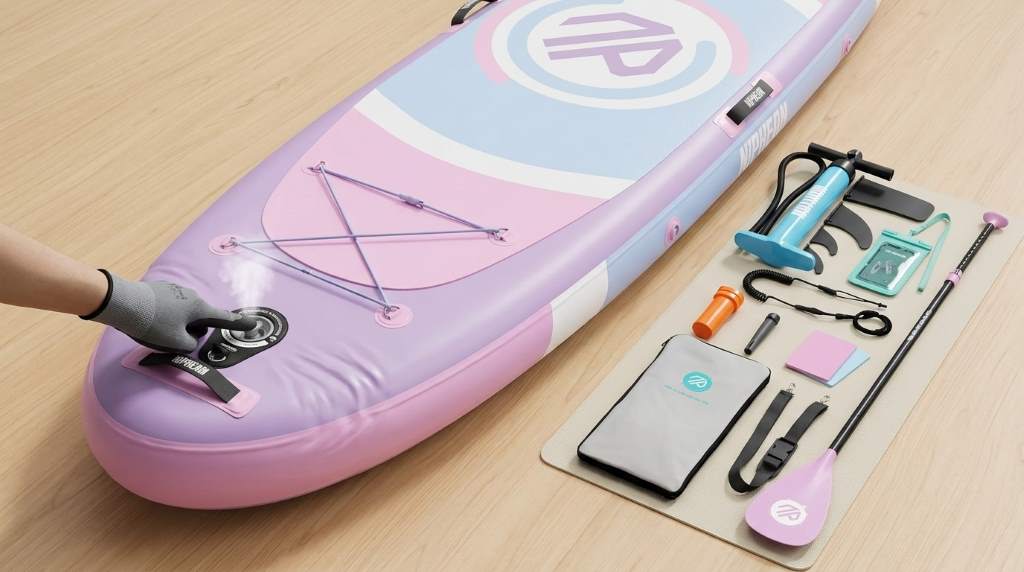
Items to Prepare Before Packing
Gather everything before starting the packing process. This approach keeps every step simple and organized.
- Microfiber towel
- Fresh water
- Soft sponge
- Hand pump
- Storage backpack
- Repair kit
- Fin storage pouch
- Adjustable paddle
Clean the Board First
Rinse the board with clean fresh water immediately after use. Salt, sand, and dirt slowly damage surfaces when left behind.
Use a soft sponge to remove stubborn debris carefully. Avoid harsh cleaners because they may weaken protective coatings.
Next, inspect every section while cleaning the board. Small scratches become easier to notice during this step.
Dry the Paddle Board Completely
Drying remains one of the most important packing steps. Moisture trapped inside the roll encourages mildew and unpleasant smells.
Wipe every surface using a clean microfiber towel. Then allow the board to air dry for several minutes.
Pay special attention around the valve and deck pad. These areas often hold moisture longer than flat surfaces.
Remove Every Accessory
Take Off the Center Fin
Remove the center fin before rolling the board. Keeping it attached may damage both the fin and storage bag.
Store the fin inside its protective pouch immediately. This habit helps prevent scratches during transportation.
Separate the Paddle Sections
Break the paddle into individual pieces before storage. Compact paddle sections fit neatly inside most carrying bags.
Check each connection for dirt before storing them. Clean fittings continue working smoothly after repeated use.
Deflate the Board Correctly
Place the board on a clean flat surface before opening the valve. Sharp objects underneath may puncture the material.
Press the valve pin carefully until air begins escaping. Stand clear because the initial airflow releases quickly.
Allow most air to leave naturally before rolling. This process makes rolling easier and more even.
How to Roll the Board Properly
Start From the Nose
Begin rolling tightly from the nose toward the valve. Air continues escaping as the roll becomes tighter.
Keep both sides aligned during the entire process. Even rolling protects the internal drop stitch construction.
Apply Gentle Pressure
Use steady pressure instead of forcing the roll tightly. Excessive force provides little benefit and increases unnecessary stress.
Smooth wrinkles while rolling the material forward. Consistent movement creates a compact storage shape.
Secure the Roll
Wrap the compression strap around the rolled board firmly. Secure straps prevent the roll from expanding inside the backpack.
Check the valve before finishing the process completely. Confirm it remains closed after all remaining air escapes.
Pack the Accessories Efficiently
Place heavier accessories near the bottom of the storage backpack. Balanced weight makes carrying noticeably more comfortable.
Store the pump beside the rolled board carefully. Avoid placing sharp tools directly against the inflatable material.
Keep the repair kit inside its designated pocket. Quick access becomes valuable during unexpected situations.
Inspect Everything Before Storage
Take one final look before closing the storage bag. Small issues become easier to fix immediately.
Inspect seams, handles, fins, and valve connections carefully. Early maintenance prevents expensive repairs later.
Also verify every accessory returned to the backpack. Missing equipment often causes frustration during future trips.
Best Storage Practices
Store the packed board in a cool dry location indoors. Stable temperatures help preserve inflatable materials longer.
Avoid direct sunlight during long storage periods whenever possible. Continuous heat slowly weakens many inflatable fabrics.
Keep heavy objects away from the storage backpack completely. Excessive weight may permanently crease the board.
Common Packing Mistakes to Avoid
- Rolling the board while still wet
- Leaving sand inside the storage bag
- Forgetting to remove the center fin
- Overtightening storage straps
- Storing near direct heat sources
- Ignoring small damage after use
Quick Packing Checklist
- Rinse the entire board
- Dry every surface completely
- Remove the center fin
- Separate paddle sections
- Deflate through the valve
- Roll from the nose
- Secure compression straps
- Pack accessories carefully
- Inspect before storage
- Store indoors safely
Conclusion
Learning how to pack the Niphean Ultra Light Inflatable Paddle Board correctly protects your investment and simplifies every trip. A careful routine keeps the board cleaner, safer, and ready whenever adventure calls.
Practice these packing steps after every paddle session for consistent results. Start building better storage habits today to enjoy reliable performance for many future outings.
Frequently Asked Questions
Should I dry the paddle board before packing?
Yes, always dry the board completely before storing it.
Can I leave the center fin attached?
No, removing the fin helps prevent damage during storage.
How tightly should I roll the board?
Roll it firmly without forcing excessive pressure.
Where should I store the packed paddle board?
Store it indoors in a cool, dry location away from sunlight.
Should I inspect the board after every trip?
Yes, regular inspections help identify small problems before they worsen.

