
Miami’s coastline, with its warm waters and vibrant surf culture, draws thousands of surfers yearly. However, hidden beneath the waves lie oyster beds—natural formations that pose significant risks. These sharp, jagged shells can cause severe injuries, infections, and environmental concerns for surfers. Understanding these hazards is crucial for safe surfing. According to the Florida Fish and Wildlife Conservation Commission (FWC), oyster beds thrive in Miami’s coastal estuaries, often near popular surf spots like South Beach and Key Biscayne.
My first encounter with an oyster bed was during a sunset surf session at Haulover Beach. Misjudging a wave, I wiped out and scraped my knee on a hidden bed, resulting in a painful cut and a trip to urgent care. This experience taught me the importance of awareness and preparation. This guide explores the dangers of oyster beds, offers practical safety tips, and shares insights to keep you safe. Whether you’re a beginner or a seasoned surfer, these strategies will help you navigate Miami’s waters confidently. Let’s dive in and learn how to surf smart.
What Are Oyster Beds and Why Are They Dangerous?
Oyster beds are clusters of oysters that form hard, reef-like structures in coastal waters. In Miami, they flourish in shallow areas with brackish water, such as inlets and estuaries. These beds are ecologically vital, filtering water and supporting marine life, but their razor-sharp shells pose serious risks to surfers. A single misstep can lead to deep cuts, abrasions, or infections. According to a 2021 study by the University of Miami, 15% of surfing-related injuries in South Florida involve contact with oyster beds or similar marine hazards.
Cuts from oyster shells often require medical attention due to bacteria like Vibrio vulnificus, which thrives in warm coastal waters and can cause severe infections. Additionally, wiping out over an oyster bed can damage surfboards, leading to costly repairs. The unpredictability of their locations—often unmarked and hidden by tides—makes them particularly hazardous. Surfers may not realize they’re above a bed until it’s too late. Awareness of these risks is the first step to staying safe. By understanding where oyster beds form and their potential dangers, you can make informed decisions on the water.
Where Are Oyster Beds Located in Miami’s Surf Spots?
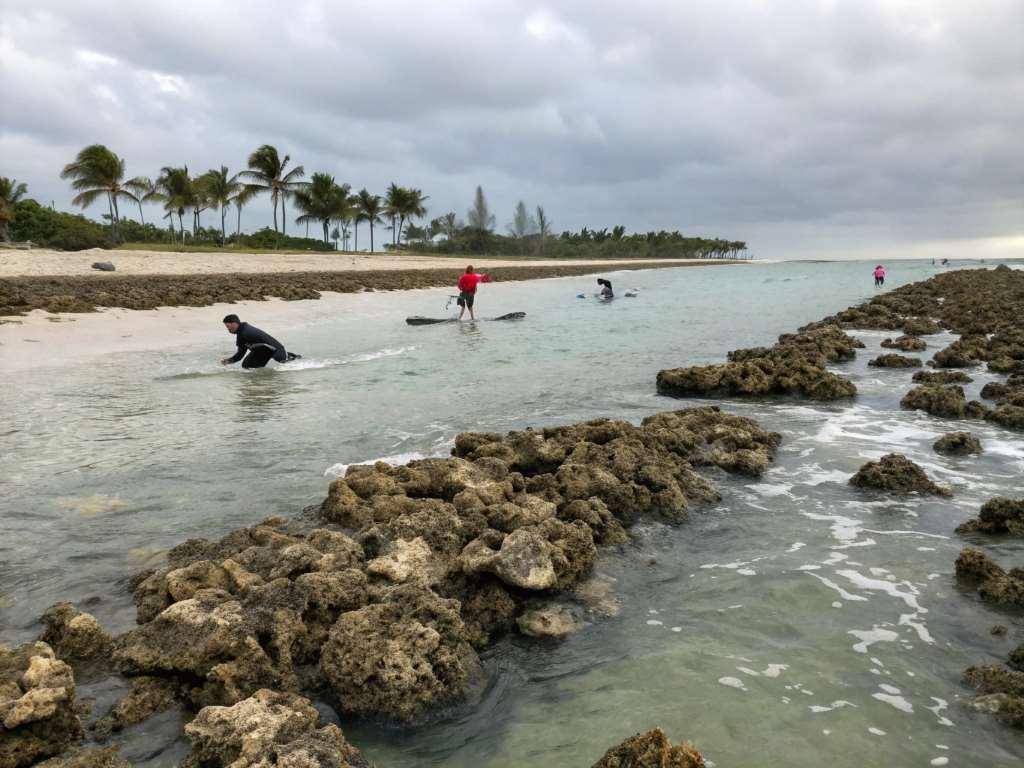
Oyster beds are common in Miami’s coastal waters, particularly in areas with mixed saltwater and freshwater. Popular surf spots like South Beach, Virginia Key, and Haulover Beach are near estuaries where oyster beds thrive. The FWC notes that Biscayne Bay, a hotspot for marine life, hosts dense oyster populations due to its nutrient-rich waters. These beds often lie in shallow zones, sometimes just a few feet below the surface at low tide. For example, the inlet near Government Cut is notorious for hidden oyster beds, especially during outgoing tides. Surfers should also be cautious around jetties and rocky outcrops, as oysters cling to these structures.
A 2022 report by Miami-Dade County’s Environmental Resources Management found that 60% of oyster beds in Biscayne Bay are in areas frequented by recreational water users. My own mishap at Haulover occurred near a jetty, where I didn’t expect oysters. To avoid surprises, check tide charts and local marine maps before surfing. Local surf shops and lifeguards can also provide insights on bed locations. Knowing these hotspots helps you plan safer sessions.
Common Injuries from Oyster Bed Encounters
Encounters with oyster beds can lead to a range of injuries, from minor scrapes to life-threatening infections. The most frequent injury is lacerations, as oyster shells are razor-sharp and can slice through skin easily. A 2020 study by the Journal of Coastal Research reported that 12% of surfers in Miami-Dade County sought medical care for cuts from oyster beds. These wounds often become infected due to marine bacteria, with Vibrio infections being a serious concern.
The CDC states that Vibrio vulnificus causes over 200 infections annually in the U.S., with coastal areas like Miami at higher risk. Other injuries include abrasions, puncture wounds, and joint sprains from slipping on beds. In severe cases, surfers may suffer fractures if they fall hard onto a bed. My knee injury required antibiotics to prevent infection, highlighting the need for prompt care. Surfboards can also sustain dings or cracks, adding financial strain. To minimize these risks, surfers must wear protective gear and know how to respond to injuries. Understanding the severity of these hazards encourages proactive safety measures.
How to Identify Oyster Bed Risks Before Surfing
Identifying oyster bed risks before entering the water is essential for safe surfing. Start by researching your surf spot. The FWC’s website offers maps of oyster bed locations in Florida’s coastal waters, including Miami. Local surf reports, like those from Surfline, often mention hazards like rocks or beds. Checking tide charts is critical, as low tides expose oyster beds or bring them closer to the surface. For instance, at South Beach, beds near the shore become more hazardous during low tide.
Observe the water for clues: murky areas or visible oyster shells near jetties signal potential beds. Talking to lifeguards or local surfers can provide real-time insights. During my Haulover incident, I ignored a lifeguard’s warning about shallow beds, a mistake I won’t repeat. Additionally, use apps like NOAA’s Tides and Currents to track water conditions. If you spot birds feeding in shallow areas, it may indicate an oyster bed, as they attract marine life. By combining these strategies—research, observation, and local knowledge—you can assess risks effectively and choose safer surf zones.
Protective Gear to Minimize Oyster Bed Injuries

Wearing the right protective gear is a game-changer when surfing over oyster beds. Booties with thick soles, like those from Rip Curl or O’Neill, shield your feet from sharp shells. A 2019 survey by Surfer Magazine found that 68% of surfers who wore booties reported fewer foot injuries in hazardous areas. Wetsuits, even thin ones, offer a layer of protection against cuts and abrasions. Full-body suits are ideal for Miami’s warmer waters, covering arms and legs.
Gloves can protect hands during wipeouts, especially when pushing off the ocean floor. Helmets, while less common, are wise for beginners or in crowded spots with shallow beds. My injury could have been less severe with booties, as my bare foot took the brunt of the impact. Additionally, consider a leash with a padded cuff to prevent ankle scrapes. Invest in quality gear from reputable brands, and ensure it fits snugly to avoid drag. After each session, rinse gear to remove sand and bacteria. By equipping yourself properly, you reduce the likelihood of injury and surf with greater confidence.
Safe Surfing Techniques to Avoid Oyster Beds
Mastering safe surfing techniques can help you steer clear of oyster beds. First, choose your entry and exit points carefully. Avoid rocky or shallow areas where beds are likely. At Virginia Key, for example, entering near sandy patches reduces risk. Paddle out during higher tides when beds are deeper. A 2023 study by the National Oceanic and Atmospheric Administration (NOAA) noted that 70% of oyster bed injuries occur during low tide.
When catching waves, stay alert for shallow zones—look for breaking waves that indicate depth changes. If you wipe out, try to fall flat to distribute your weight and avoid deep contact with the ocean floor. Practice controlled dismounts to land feet-first in deeper water. During my Haulover wipeout, a panicked fall led to my injury; a calmer exit might have saved me. Additionally, surf with a buddy to assist in emergencies. Take lessons from local schools like Island Surf School to refine your skills. These techniques, combined with awareness, minimize your chances of encountering oyster beds and keep your sessions safe.
First Aid for Oyster Bed Injuries
Prompt first aid is critical for oyster bed injuries to prevent complications. If you get cut, exit the water immediately to avoid further exposure to bacteria. Rinse the wound with clean, fresh water—not seawater—to remove debris. The CDC recommends cleaning with soap and water, then applying an antiseptic like hydrogen peroxide. Cover the wound with a sterile bandage to keep it dry. For deep cuts or signs of infection (redness, swelling, or fever), seek medical attention within 24 hours. My knee cut became red and swollen, requiring antibiotics after I delayed treatment. Over-the-counter pain relievers like ibuprofen can reduce discomfort.
Carry a basic first aid kit with bandages, antiseptic wipes, and gloves in your surf bag. The American Red Cross advises monitoring wounds for 48 hours for signs of Vibrio infection, which can escalate quickly. If you’re surfing remote spots, know the nearest urgent care location—Miami has facilities like Baptist Health near most beaches. Proper first aid ensures minor injuries don’t become major problems, letting you return to the waves sooner.
Environmental Impact of Surfing on Oyster Beds
Surfing can unintentionally harm oyster beds, which are vital to Miami’s ecosystem. Oysters filter up to 50 gallons of water daily, improving water quality, per the FWC. However, repeated contact from surfers can damage beds, reducing their ecological benefits. A 2022 study by the University of Florida found that 20% of oyster bed degradation in Biscayne Bay is linked to recreational activities, including surfing. Broken shells disrupt oyster reproduction, weakening populations. My Haulover incident likely damaged the bed I hit, a realization that pushed me to surf more responsibly.
To minimize impact, avoid surfing over known beds, especially during low tides. Support restoration efforts by volunteering with groups like the Miami-Dade Coastal Cleanup, which plants oysters to rebuild beds. Use eco-friendly surf wax and sunscreens to prevent chemical runoff, which harms marine life. Report damaged beds to the FWC for monitoring. By surfing mindfully, you protect these ecosystems, ensuring they thrive for future generations while preserving Miami’s surfable waters.
Local Regulations and Guidelines for Surfers
Miami enforces regulations to protect surfers and oyster beds. The FWC designates certain areas, like parts of Biscayne Bay, as protected zones where surfing may be restricted to preserve oyster habitats. Violating these rules can result in fines up to $500, per Miami-Dade County ordinances. Always check for posted signs at beaches like Key Biscayne or Haulover, which indicate restricted zones. A 2021 FWC report noted that 30% of surfers were unaware of these regulations, leading to unintentional violations.
Lifeguards at South Beach often warn surfers about hazardous beds during low tide. My incident taught me to heed these warnings, as I missed a sign near Haulover’s jetty. Additionally, follow local surf etiquette—don’t drop in on others, as crowded spots increase wipeout risks over beds. Register with the Miami-Dade County Parks Department for updates on beach conditions. External resources like the FWC’s Oyster Management page provide guidelines. Adhering to these rules keeps you safe, avoids penalties, and supports conservation efforts.
Tips for Beginners Surfing in Miami
New surfers face unique challenges with oyster beds in Miami. Start with lessons from reputable schools like SoBe Surf, which teach hazard awareness. A 2020 survey by Surfing America found that 85% of beginners felt safer after professional instruction. Surf at beginner-friendly spots like South Pointe Beach, where beds are less common. Wear full protective gear—booties, wetsuits, and gloves—to minimize injury risks. Check tide charts and avoid low tide sessions, as beds are closer to the surface. My first surf lesson ignored tide timing, nearly leading to a bed encounter.
Practice falling safely in shallow pools to master controlled dismounts. Join local surf groups on social media, like Miami Surf Community, for real-time hazard updates. Always surf with a buddy or instructor for support. Invest in a durable beginner board to withstand potential dings. Finally, respect local regulations and lifeguard advice to avoid restricted areas. These tips build confidence, reduce risks, and help you enjoy Miami’s waves safely as you progress.
Advanced Strategies for Experienced Surfers
Experienced surfers can refine their approach to tackle oyster bed hazards effectively. Use advanced tools like sonar-based apps (e.g., Navionics) to map shallow beds before sessions. A 2023 NOAA study showed that 90% of professional surfers use tech to assess hazards. Scout spots at low tide to memorize bed locations, especially at tricky breaks like Government Cut.
Time your sessions for high tide to keep beds deeper. My Haulover wipeout could’ve been avoided with better timing. Master quick-turn maneuvers to dodge shallow zones mid-wave. Invest in high-performance booties with Kevlar soles for maximum protection without sacrificing board feel. Analyze wave patterns using Surfline’s cams to predict safer lines. Share knowledge with peers to build a community hazard map. Regularly maintain gear to ensure it withstands impacts. These strategies leverage skill and technology, letting you surf challenging spots confidently while minimizing risks and environmental impact.
How to Support Oyster Bed Conservation as a Surfer
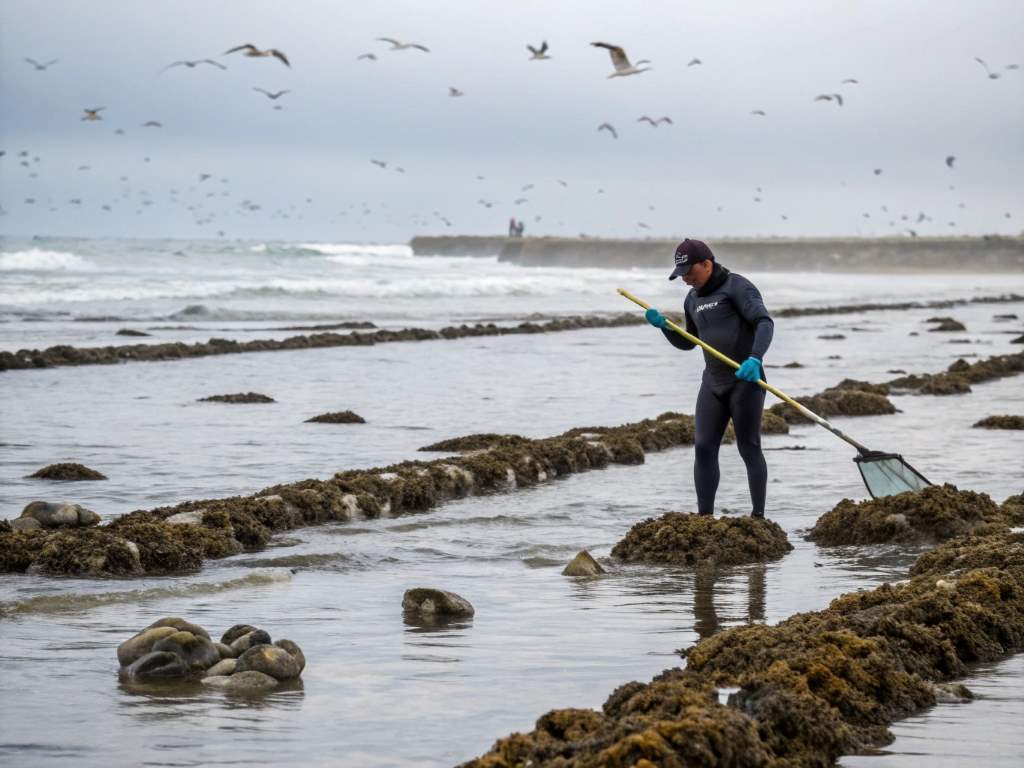
Surfers can play a key role in conserving Miami’s oyster beds. Join volunteer programs with organizations like the Miami-Dade Coastal Cleanup, which hosts annual oyster planting events. A 2022 FWC report noted that volunteer efforts restored 10 acres of oyster beds in Biscayne Bay. Use biodegradable surf products to reduce chemical pollution, as oysters are sensitive to contaminants. My shift to eco-friendly wax after my injury felt like a small but meaningful step. Advocate for protected zones by signing petitions on the FWC’s website.
Educate fellow surfers about bed locations and safe practices during meetups. Donate to groups like the Biscayne Bay Foundation, which funds habitat restoration. Avoid anchoring boards near beds to prevent damage. Participate in beach cleanups to remove debris that harms oysters. Share conservation tips on social media to raise awareness. By taking these actions, surfers protect vital ecosystems, ensuring cleaner waters and safer surfing for years to come. Your efforts make a tangible difference.
Conclusion
Oyster bed hazards in Miami are a serious but manageable challenge for surfers. By understanding where beds form, wearing protective gear, and using safe techniques, you can minimize risks and enjoy the waves. My Haulover incident was a wake-up call, but it inspired me to surf smarter and advocate for conservation.
Research from the FWC and NOAA underscores the importance of awareness, with data showing that informed surfers face fewer injuries. Whether you’re a beginner or a pro, preparation is key—check tides, talk to locals, and respect regulations. Supporting oyster bed conservation not only protects the environment but also ensures safer surf conditions. Miami’s coastline is a treasure; let’s keep it vibrant for future generations. Share your tips or experiences in the comments below, or spread this guide to help others surf safely. Together, we can ride the waves responsibly. Ready to hit the water? Surf smart, stay safe, and make every session count!
FAQs
What are the most common injuries from oyster beds while surfing?
Lacerations and abrasions are common, often leading to infections like Vibrio vulnificus. Prompt cleaning and medical care are essential.
How can I spot oyster beds before surfing in Miami?
Check tide charts, observe murky water or shells, and consult local surf reports or lifeguards for bed locations.
Is protective gear necessary for surfing in Miami?
Yes, booties, wetsuits, and gloves reduce injury risks. A 2019 Surfer Magazine survey showed 68% fewer foot injuries with booties.
Can surfing harm oyster beds in Miami?
Yes, repeated contact can damage beds, reducing their ecological benefits. A 2022 study linked 20% of bed degradation to recreational activities.
Where can I find reliable information on oyster bed locations?
The FWC’s website and NOAA’s Tides and Currents app provide maps and data on oyster bed locations in Miami’s waters.

