
Surf ponchos are a game changer for anyone who loves the ocean. Over 20 million people worldwide enjoy surfing, and staying warm after a session is key to comfort and health. A surf poncho helps you change quickly, stay dry, and avoid the chill of wet clothes. This guide will show you how to use one like a pro, whether you are just starting out or have years of experience.
Why a Surf Poncho is a Must-Have for Surfers
A surf poncho is more than just a towel with sleeves. It keeps you warm by trapping body heat while allowing airflow to dry you off. Beginners often underestimate how cold they can get after leaving the water. Professionals use ponchos to stay ready for their next set without losing body heat.
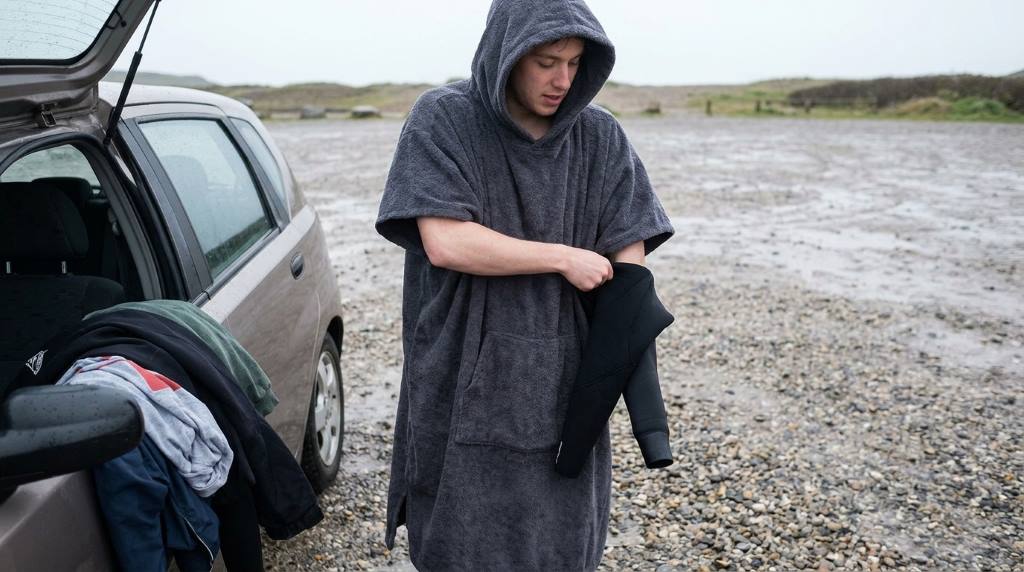
The design of a surf poncho is simple but effective. It covers your upper body and arms, leaving your hands free to change or grab your gear. Many models come with a hood to protect your head from wind and rain. This makes them perfect for beach conditions where the weather can change fast.
In places like California or Australia, the morning surf can be chilly even in summer. A poncho helps you transition from the water to the parking lot without discomfort. It also doubles as a privacy screen when changing out of your wetsuit. This is especially useful in crowded beach areas.
Surf ponchos are also lightweight and easy to pack. You can fold them into a small pouch and attach them to your board or backpack. This portability means you can always have one on hand, no matter where your surfing takes you.
Choosing the Right Surf Poncho for Your Needs
Not all surf ponchos are the same, so picking the right one matters. Look for materials that are quick drying and durable. Microfiber is a popular choice because it absorbs water well and dries fast. Some ponchos use recycled materials, which are great for eco conscious surfers.
Size is another important factor. A poncho that is too small will not cover you properly, while one that is too large can be cumbersome. Most brands offer unisex sizing, but check the dimensions to ensure a good fit. Some models come with adjustable drawstrings for a snug fit around the waist.
For beginners, a basic poncho with a hood and front pocket is a good start. Professionals might want extra features like thumbholes for added warmth or a built in towel for drying off. Think about where and how you will use it most often to guide your choice.
Color and design might seem minor, but they can be fun. Bright colors make you easy to spot on a busy beach. Some brands offer custom prints or logos, so you can show off your personal style while staying warm.
Step by Step Guide to Using a Surf Poncho
Putting on a surf poncho is straightforward, but doing it right makes a difference. Start by draping the poncho over your shoulders like a towel. Make sure the hood is at the back if it has one. Then, slide your arms into the sleeves and adjust the fit.
If your poncho has a front pocket, use it to warm your hands or store small items like keys or a phone. The pocket also helps keep the poncho in place if it is windy. For extra warmth, pull the drawstring tight around your waist to seal in heat.
When changing out of your wetsuit, use the poncho as a barrier between you and the public. Step into the poncho while still in your wetsuit, then pull the wetsuit down underneath. This keeps you covered and modest while you change into dry clothes.
After your session, hang your poncho to dry in a well ventilated area. Avoid leaving it in direct sunlight for long periods, as this can fade the colors. If it starts to smell, a quick rinse in fresh water will keep it fresh for your next use.
Unique Uses of a Surf Poncho Beyond the Beach
Most people think of surf ponchos as beach gear, but they have other uses too. Campers and hikers use them as lightweight, quick drying towels. They are also great for music festivals or outdoor events where you might get caught in the rain.
In colder climates, a surf poncho can be a lifesaver after a winter surf session. The thick material traps heat, and the hood protects against wind chill. Some surfers even use them as a makeshift changing robe when traveling to surf spots with limited facilities.
For parents, a surf poncho is perfect for wrapping up a child after a day at the pool or beach. The large size covers them completely, and the soft material is gentle on their skin. It is also easier to manage than a traditional towel when dealing with wiggly kids.
Professional surfers often use their ponchos during competitions. Between heats, they can stay warm and dry without having to change clothes completely. This keeps their muscles loose and ready for the next round.
Tips for Maintaining Your Surf Poncho
Taking care of your surf poncho will extend its life and keep it performing well. After each use, rinse it with fresh water to remove salt and sand. This prevents buildup that can make the material stiff or smelly over time.
If your poncho is machine washable, use a gentle cycle and mild detergent. Avoid fabric softeners, as they can coat the fibers and reduce absorbency. Air drying is best, but if you must use a dryer, choose a low heat setting to prevent damage.
For stubborn odors, soak the poncho in a mixture of water and baking soda for an hour before washing. This natural cleaner removes smells without harsh chemicals. If your poncho has a rubber or plastic coating, check the care instructions to avoid damaging it.
Store your poncho in a dry, cool place when not in use. Folding it neatly or rolling it up prevents creases that can weaken the fabric. If you notice any loose threads or small tears, repair them quickly to prevent further damage.
Common Mistakes to Avoid with Surf Ponchos
One of the biggest mistakes is using your surf poncho as a regular towel. While it can dry you off, rubbing it vigorously against your skin can wear out the material faster. Instead, pat yourself dry gently or let the poncho absorb the water naturally.
Another mistake is leaving your poncho in a damp bag for too long. This can lead to mildew and unpleasant odors. Always unpack and dry your poncho as soon as possible after use. If you are on a long trip, hang it outside your bag to air out.
Some surfers forget to check the weather before heading out. A surf poncho is great for wind and light rain, but it is not a substitute for a proper rain jacket in heavy downpours. Know its limits to stay comfortable in all conditions.
Finally, avoid using harsh chemicals or bleach to clean your poncho. These can break down the fibers and reduce its effectiveness. Stick to mild cleaners and natural solutions to keep it in top shape.
How Surf Ponchos Enhance the Surfing Experience
A surf poncho does more than keep you warm. It helps you stay in the water longer by reducing the discomfort of changing in cold or windy conditions. This is especially important for beginners who might be more sensitive to the cold.
For professionals, a poncho is part of their routine. It allows them to focus on their performance without worrying about getting cold between sessions. The mental comfort of knowing you have a warm, dry option waiting can boost confidence and enjoyment.
Surf ponchos also promote better hygiene. Changing out of a wet wetsuit in a public area can expose you to germs and bacteria. A poncho creates a barrier, reducing the risk of infections or rashes from shared surfaces.
In group settings, like surf camps or lessons, ponchos help maintain order. Everyone can change quickly and privately, keeping the focus on the activity rather than the logistics of getting dressed. This makes the experience smoother for instructors and participants alike.
The Environmental Impact of Surf Ponchos
Many surf ponchos are made from eco friendly materials like organic cotton or recycled polyester. Choosing one of these options reduces your environmental footprint. Some brands even offer take back programs to recycle old ponchos into new products.
Using a surf poncho can also cut down on waste. Instead of using disposable towels or plastic bags to cover up, you have a reusable solution. This small change can add up to a big difference over time, especially in popular surf spots.
The durability of a good surf poncho means you will not need to replace it often. Investing in a high quality product saves resources in the long run. Look for brands that prioritize sustainability in their manufacturing processes.
By taking care of your poncho, you also help the environment. Proper maintenance means it lasts longer, reducing the need for replacements. When it finally wears out, check if the materials can be recycled or repurposed.
Surf Poncho Accessories to Consider
Some surf ponchos come with useful accessories, or you can add your own. A waterproof pouch is great for storing your phone or keys while you surf. You can attach it to the poncho or wear it separately.
A carabiner clip lets you hang your poncho from your board or backpack for easy access. This keeps it from blowing away in the wind and makes it simple to grab when you need it. Some surfers also use a small dry bag to store their poncho when not in use.
For extra warmth, consider a pair of waterproof sandals or booties to wear with your poncho. This combination keeps your feet dry and comfortable as you transition from the water to the shore. A warm hat or beanie can also help retain heat on chilly days.
If you often surf in remote areas, a portable changing mat can be a useful addition. Lay it on the ground under your poncho for a clean, dry surface to stand on while changing. This is especially helpful in rocky or sandy areas.
Surf Poncho Etiquette on the Beach
Using a surf poncho is simple, but there are a few etiquette tips to keep in mind. Always be aware of your surroundings when changing. Make sure you are not blocking pathways or other surfers’ access to the water.
If you are using your poncho as a changing screen, do so discreetly. Avoid exposing yourself to others, even if you are covered. Respect the privacy of those around you as well.
In crowded areas, keep your poncho and belongings organized. A sprawling setup can take up too much space and annoy others. Pack up your gear neatly when you are done to leave the beach as you found it.
Finally, be mindful of noise. Some surf ponchos can be loud when flapping in the wind. If you are in a quiet or residential area, try to minimize the noise to avoid disturbing others.
How to Pack a Surf Poncho for Travel
Packing a surf poncho for travel is easy if you do it right. Start by laying the poncho flat and folding it in half lengthwise. Then, fold it in thirds or quarters, depending on its size, to create a compact rectangle.
If your poncho has a hood, tuck it inside the folded poncho to keep it neat. Some models come with a built in pouch or strap for easy carrying. If not, you can use a small stuff sack or even a plastic bag to keep it contained.
When packing for a surf trip, place your poncho at the top of your bag for quick access. This way, you can grab it as soon as you get out of the water. If you are flying, consider packing it in your carry on to avoid losing it in checked luggage.
For road trips, keep your poncho in the car so it is always within reach. A hook or hanger in your vehicle can keep it off the floor and ready to use. This is especially useful if you stop at multiple surf spots in a day.
The Future of Surf Ponchos
The surf poncho industry is evolving with new materials and designs. Some brands are experimenting with heated ponchos that use battery powered elements to keep you extra warm. Others are incorporating solar panels to charge devices while you relax on the beach.
Eco friendly innovations are also on the rise. Ponchos made from algae based materials or biodegradable fabrics are in development. These options aim to reduce the environmental impact of surf gear even further.
Smart features are another trend. Some ponchos now come with built in UV protection or moisture wicking technology. These additions make them even more versatile for outdoor activities beyond surfing.
As surfing grows in popularity, the demand for high quality, functional gear will continue to rise. Surf ponchos are likely to become even more advanced, offering surfers new ways to stay comfortable and stylish in and out of the water.
Conclusion
A surf poncho is a simple but powerful tool for anyone who spends time in the water. It keeps you warm, dry, and comfortable, so you can focus on what you love most. Whether you are a beginner or a seasoned pro, using a surf poncho will improve your surfing experience.
Invest in a quality poncho that fits your needs and take care of it properly. With the right approach, it will serve you well for years to come. So next time you head to the beach, do not forget your surf poncho. Your body will thank you.
FAQ
How do I choose the right size surf poncho?
Pick a poncho that covers your torso and arms fully. Most brands offer unisex sizing, so check the dimensions to ensure a good fit.
Can I machine wash my surf poncho?
Yes, but use a gentle cycle and mild detergent. Avoid fabric softeners and high heat drying to preserve the material.
Are surf ponchos only for surfers?
No, they are great for camping, hiking, or any outdoor activity where you need to stay dry and warm.
How do I remove odors from my surf poncho?
Soak it in a mixture of water and baking soda for an hour before washing. This removes smells naturally.
Can I use a surf poncho as a regular towel?
It is best to pat yourself dry gently or let the poncho absorb water naturally to avoid wearing out the material.

