
Stand up paddleboarding has grown into one of the fastest rising water sports in the United States. According to the Outdoor Industry Association, over 3.5 million Americans participate in paddle sports each year, with paddleboarding leading the trend. Meanwhile, data from the U.S. Coast Guard shows a steady increase in recreational water activity, highlighting the importance of choosing the right equipment for safety and enjoyment.
Finding the best stand up paddleboard is not just about picking a popular model. It involves understanding your skill level, water conditions, and usage goals. Whether you are a beginner looking for stability or an expert seeking speed and performance, this guide will help you make a smart, confident choice.
Understanding Stand Up Paddleboards
Stand up paddleboards, often called SUP boards, come in different shapes, sizes, and materials. Each design serves a specific purpose. Therefore, choosing the right one depends on how and where you plan to paddle.
A paddleboard works by distributing your weight evenly across a floating surface. Wider boards offer more stability, while narrower boards increase speed and efficiency. Beginners usually prefer stability, while experienced riders look for performance features.
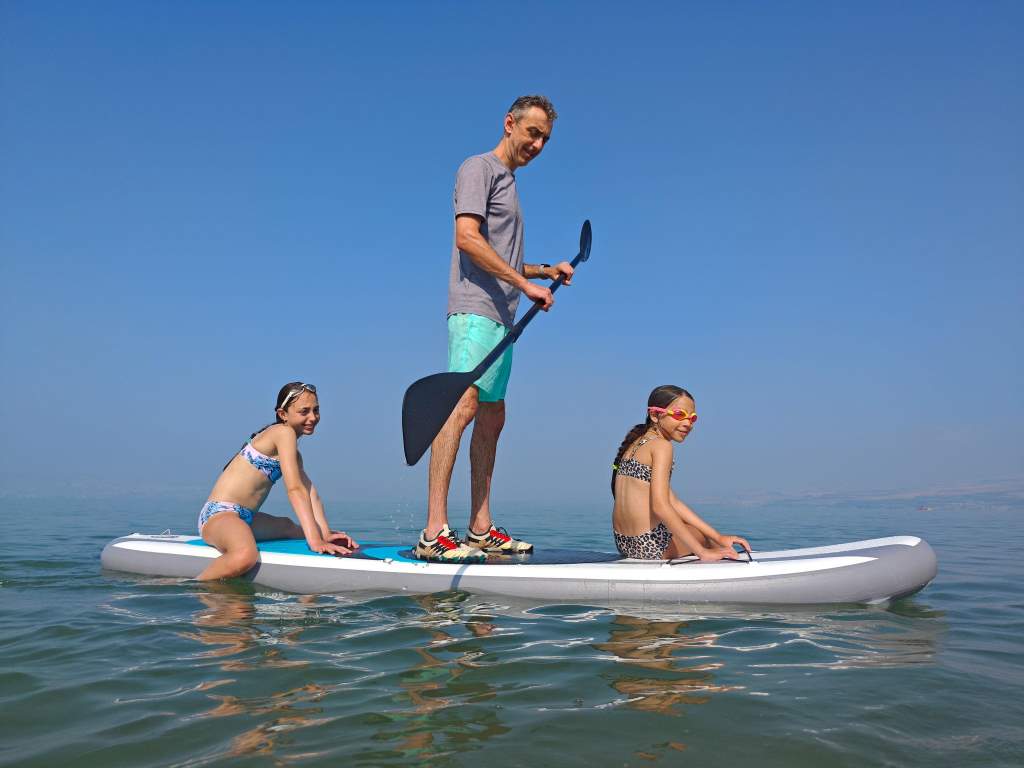
Main Types of Paddleboards
Understanding the types helps narrow your options quickly.
All Around Paddleboards
These boards suit most users. They balance stability and maneuverability, making them ideal for beginners and casual paddlers.
Touring Paddleboards
Touring boards are longer and narrower. They move faster and track straighter, which makes them perfect for long distance paddling.
Surf Paddleboards
Designed for waves, these boards are shorter and more agile. Experts often prefer them for better control in surf conditions.
Inflatable Paddleboards
Inflatable SUP boards are portable and easy to store. They offer surprising durability and stability, which makes them a top choice for beginners and travelers.
Key Factors to Consider Before Buying
Choosing the best stand up paddleboard requires careful evaluation of several factors. Each element directly affects your experience on the water.
1. Skill Level
Your experience level should guide your decision.
Beginners need boards that provide balance and confidence. A wider and thicker board helps prevent falls. Experts, however, prefer narrower boards for speed and maneuverability.
2. Board Size and Volume
Board size impacts stability and performance.
- Length affects speed and tracking
- Width determines stability
- Thickness influences buoyancy
For example, beginners often benefit from boards that are at least 10 feet long and 30 inches wide. Advanced users may choose longer and narrower boards for efficiency.
3. Weight Capacity
Every paddleboard has a weight limit. Always choose a board that supports your body weight plus gear. Exceeding the limit reduces stability and performance.
4. Material and Build Quality
The material affects durability and performance.
- Epoxy boards are rigid and fast
- Inflatable boards use military grade PVC for strength
- Carbon fiber boards offer high performance but require careful handling
5. Water Conditions
Think about where you will paddle most often.
- Calm lakes need stable boards
- Rivers require maneuverable designs
- Ocean waves demand specialized surf boards
Best Paddleboards for Beginners
Beginners should focus on comfort, balance, and ease of use. Starting with the right board builds confidence and speeds up learning.
Features to Look For
A beginner friendly paddleboard should include:
- Wide deck for stability
- Soft top surface for comfort
- Durable construction
- Lightweight design for easy handling
Why Stability Matters
Stability reduces the risk of falling and helps you focus on technique. A stable board allows you to learn paddling strokes, turning, and balance more effectively.
Recommended Setup for Beginners
A complete beginner setup often includes:
- Inflatable paddleboard
- Adjustable paddle
- Safety leash
- Personal flotation device
This setup ensures safety and convenience while learning.
Best Paddleboards for Experts
Experienced paddlers look for speed, control, and performance. They need boards that respond quickly and handle challenging conditions.
Advanced Features to Consider
Experts should prioritize:
- Narrower width for speed
- Lightweight construction
- Advanced fin systems
- Performance oriented shapes
Performance and Speed
A longer board glides more efficiently through water. Therefore, touring and racing boards are popular among advanced users. These boards reduce drag and improve tracking.
Specialized Boards
Experts often choose boards based on specific activities:
- Racing boards for competitions
- Surf boards for waves
- Touring boards for long distance trips
Inflatable vs Solid Paddleboards
Both options have advantages. Your choice depends on lifestyle and usage.
Inflatable Paddleboards
Inflatable boards are convenient and versatile.
- Easy to transport
- Simple storage
- Durable against impacts
They work well for beginners and casual users.
Solid Paddleboards
Solid boards offer better performance.
- Faster and more responsive
- Better for surfing and racing
- More rigid structure
Experts often prefer solid boards for high performance activities.
Essential Accessories for Paddleboarding
Accessories improve safety and overall experience.
Must Have Gear
Every paddler should consider:
- Paddle suited to height
- Leash for safety
- Life jacket
- Waterproof bag
Optional Accessories
Advanced users may add:
- GPS tracker
- Action camera
- Dry storage compartments
Accessories enhance both safety and enjoyment on the water.
Common Mistakes to Avoid
Many buyers make simple mistakes when choosing a paddleboard. Avoiding these can save time and frustration.
Choosing the Wrong Size
A board that is too small reduces stability. On the other hand, an oversized board may feel slow and difficult to control.
Ignoring Skill Level
Buying an advanced board as a beginner can lead to poor experiences. Always match the board to your ability.
Overlooking Weight Capacity
Ignoring weight limits affects performance and safety. Always check specifications carefully.
Tips for Testing a Paddleboard
Trying a board before buying can make a big difference.
What to Look For During Testing
Focus on these aspects:
- Stability when standing
- Ease of turning
- Comfort of the deck
- Paddle efficiency
Where to Test
Many rental shops and water sports centers offer demo sessions. Testing helps you understand how a board feels in real conditions.
Maintenance and Care Tips
Proper care extends the life of your paddleboard.
Cleaning and Storage
Rinse your board with fresh water after use. Salt and dirt can damage materials over time. Store it in a cool, dry place away from direct sunlight.
Regular Inspection
Check for cracks, leaks, or wear. Early detection prevents bigger issues later.
Inflation Tips
For inflatable boards, maintain the recommended pressure. Proper inflation ensures optimal performance and durability.
Conclusion
Finding the best stand up paddleboards for beginners and experts requires careful consideration of skill level, board type, and intended use. Beginners should focus on stability and ease of use, while experienced paddlers should prioritize performance and speed. Understanding key features such as size, material, and water conditions helps you make an informed decision.
Take time to evaluate your needs, test different boards, and invest in quality gear. Start your paddleboarding journey today with confidence and enjoy every moment on the water.
FAQs
What size paddleboard is best for beginners
Beginners should choose a board that is at least 10 feet long and 30 inches wide. This size offers better stability and balance.
Are inflatable paddleboards durable
Yes, modern inflatable boards use strong materials like military grade PVC. They are highly durable and resistant to damage.
Can beginners use touring paddleboards
Beginners can use touring boards, but they may find them less stable than all around boards. Starting with a wider board is usually easier.
How do I choose the right paddle length
A good rule is to choose a paddle that is 6 to 10 inches taller than your height. This helps maintain proper posture and efficiency.
Is paddleboarding a good workout
Yes, paddleboarding engages core muscles, improves balance, and provides a full body workout.

