
Surfing in Hawaii is not just a sport. It is part of daily life, shaped by consistent swells and diverse beach breaks. According to the National Oceanic and Atmospheric Administration, Hawaii sees some of the most consistent wave activity in the world, making equipment choice more important than in calmer regions. A board that works well elsewhere may feel unstable or slow here.
This guide breaks down surfboards that real users rely on, especially in conditions similar to Hawaii’s mix of beginner friendly shores and powerful reef breaks. Whether you are just starting or refining your technique, choosing the right board directly affects how quickly you improve and how safe you feel in the water.
A Quick Overview of The Best Sellers in Surfboards in Hawaii
These surfboards cover a wide range of skill levels and conditions, from beginner foam boards to more responsive intermediate designs.
- Wavestorm 8ft Classic Longboard Surfboard Unique Rasta Edition
- Giantex 6ft Surfboard Foam Beginner Board
- Wavestorm WS18 Multicolor Longboard Surfboard
- Wavestorm Classic Longboard Anniversary Edition
- THURSO SURF 7 or 8ft Soft Top Beginner Surfboard
- Wavestorm Classic Soft Top Foam 7ft Surfboard
- Rock It Albert 6ft Soft Top Surfboard
- FLOWBOARD Softboard Foam Intermediate Model
Best Sellers in Surfboards in Hawaii of 2026
Hawaii’s surf demands stability, paddle efficiency, and durability. These boards reflect what actually works in those conditions.
Wavestorm 8ft Classic Longboard Surfboard Unique Rasta Edition
Reliable beginner longboard for steady waves
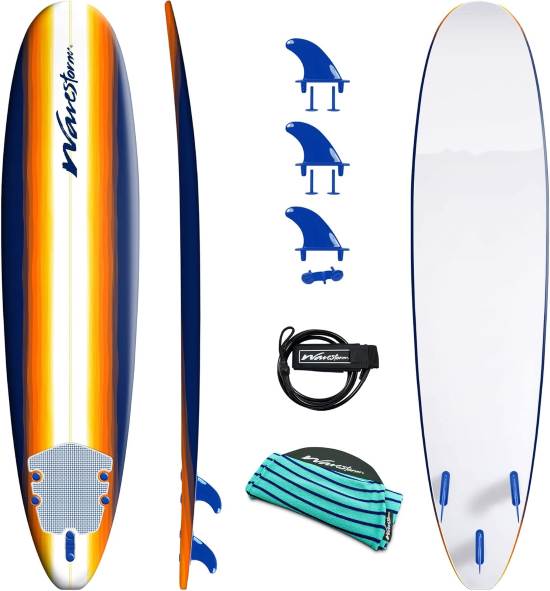
This board feels predictable the moment you paddle out. The 8ft length gives you strong buoyancy, which matters in Hawaii where waves can roll in consistently without much pause. It helps you catch waves earlier, reducing fatigue.
The foam construction absorbs impact well, especially useful for crowded beginner beaches. It suits first time surfers and those returning after a long break. You can ride small Waikiki waves comfortably, but it starts to feel slow in sharper reef breaks.
Maintenance stays simple. Rinse after salt exposure and check fin tightness regularly. The deck holds up well but can show wear after repeated use.
It struggles in fast, steep waves where maneuverability becomes critical.
User Review
Jason M., Honolulu
I learned on this board at Ala Moana. It gave me confidence quickly. It is not fast, but it lets you focus on balance without worrying about wipeouts.
Key Features
High volume foam core Provides excellent flotation, making wave catching easier for beginners, though it reduces responsiveness in sharper turns.
8ft length stability Helps maintain balance in unpredictable Hawaiian surf, but makes transport slightly cumbersome.
Soft top deck Reduces injury risk during falls, especially in crowded spots, though it can dent over time.
Triple fin setup Offers basic control and tracking, but lacks advanced carving precision.
Lightweight construction Easier to carry to the beach, though wind can affect handling on land.
Beginner friendly rocker Helps prevent nose diving, though limits speed on steeper waves.
Pros and Cons
| Pros | Cons |
| Easy wave catching ability | Limited turning responsiveness |
| Stable for beginners | Bulky to transport |
| Soft top safer falls | Not suited for advanced |
Giantex 6ft Surfboard Foam Beginner Board
Compact option for younger riders
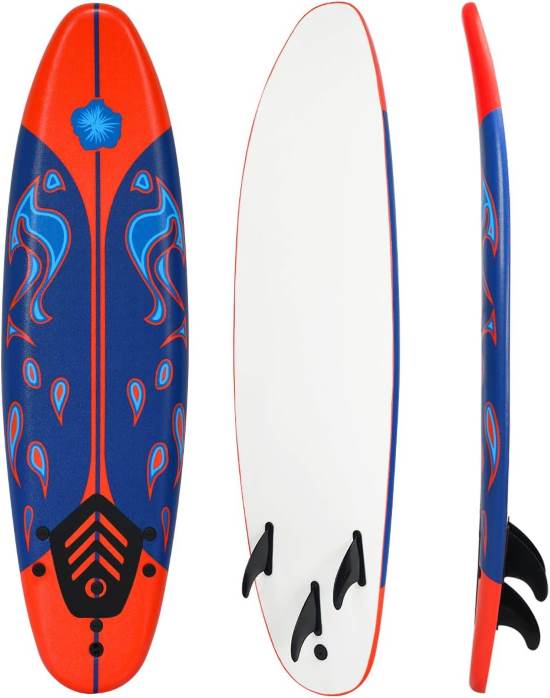
This shorter board feels lighter and easier to handle, especially for kids and smaller riders. At 6ft, it trades some stability for portability, which works well in smaller Hawaiian shore breaks.
You will notice quicker turns compared to longer boards, but also less forgiveness when balancing. It suits children, teenagers, and lighter adults learning basic techniques.
It performs best in calm, sandy beach areas. In stronger Hawaiian waves, it can feel underpowered and harder to paddle into waves.
Maintenance is straightforward, though the smaller size means fins and edges take more stress.
User Review
Amanda T., San Diego
Bought this for my son during our Hawaii trip. He picked up basics fast, but needed calmer waves to stay balanced.
Key Features
Compact 6ft design Easier to carry and store, though less stable for beginners.
Foam construction Softens impacts and improves safety, but wears faster with heavy use.
Removable fins Allows easy replacement, though attachment needs regular checking.
Lightweight build Ideal for younger surfers, but can drift in strong currents.
Beginner oriented shape Supports early learning, though limits long term progression.
Durable outer layer Handles minor bumps well, though not built for heavy surf.
Pros and Cons
| Pros | Cons |
| Easy for kids to use | Less stable in waves |
| Lightweight and portable | Limited paddle power |
| Simple beginner setup | Not for larger adults |
Wavestorm WS18 Multicolor Longboard Surfboard
Balanced longboard for mixed conditions
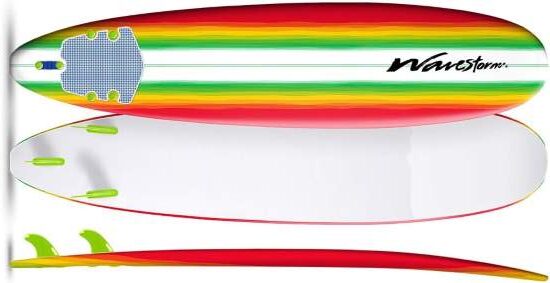
This board feels like a middle ground between stability and maneuverability. The length supports steady paddling, while the shape allows slightly better turning than entry level boards.
In Hawaii, it works well across different beaches. You can ride smaller waves comfortably and still manage moderate swells without feeling overwhelmed.
It suits beginners progressing toward intermediate skills. Maintenance remains minimal, but color coating can fade with sun exposure.
It is not ideal for advanced riders seeking sharp turns or high speed control.
User Review
Chris D., Miami
Used this in Maui for a week. It handled different wave sizes well. I felt more confident trying turns compared to my old board.
Key Features
Balanced rocker design Helps manage wave entry and turning, though not optimized for speed.
Durable foam core Withstands repeated use, though may compress over time.
Longboard length stability Supports steady paddling, though reduces agility.
Color coated surface Improves visibility in water, but fades with UV exposure.
Three fin setup Offers decent control, though limited for aggressive maneuvers.
Moderate weight Easy enough to carry, though not ultra light.
Pros and Cons
| Pros | Cons |
| Good for skill progression | Limited high speed control |
| Stable yet maneuverable | Color fades in sun |
| Works in varied waves | Not for advanced tricks |
Wavestorm Classic Longboard Anniversary Edition
Classic design with consistent performance
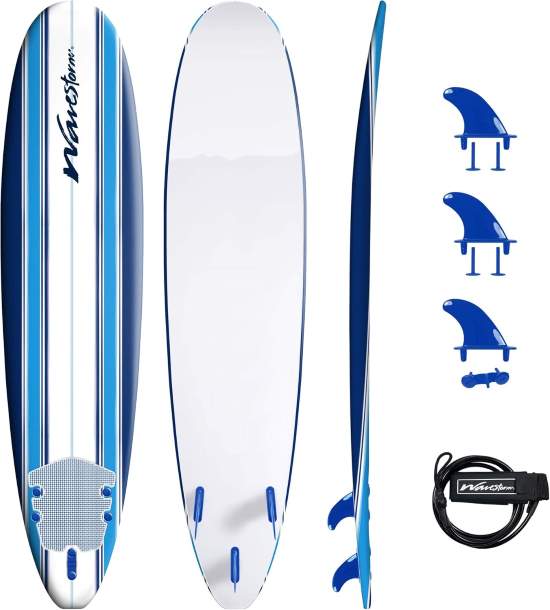
This version maintains the familiar Wavestorm feel but with slightly refined construction. It feels smooth during paddling and forgiving during takeoffs.
In Hawaiian conditions, it performs best on rolling waves where timing matters more than speed. Beginners benefit from its predictability, while casual surfers enjoy its comfort.
Durability is solid, though repeated heavy use may compress the deck.
It is not designed for aggressive surfing or steep reef breaks.
User Review
Linda R., Los Angeles
I used this in Waikiki and loved how stable it felt. It gave me time to think instead of reacting.
Key Features
Classic longboard shape Supports easy wave catching, though limits agility.
Improved foam density Enhances durability, though still compresses with time.
Soft deck surface Safer for falls, though prone to surface wear.
Stable fin system Maintains direction control, though lacks precision turning.
Beginner friendly design Encourages confidence, though slows progression later.
Balanced weight distribution Improves paddling efficiency, though not ideal for speed.
Pros and Cons
| Pros | Cons |
| Very stable ride feel | Limited maneuverability |
| Easy paddling performance | Deck compresses over time |
| Reliable for beginners | Not suited for advanced |
THURSO SURF 7 or 8ft Soft Top Beginner Surfboard
Versatile size options for all users
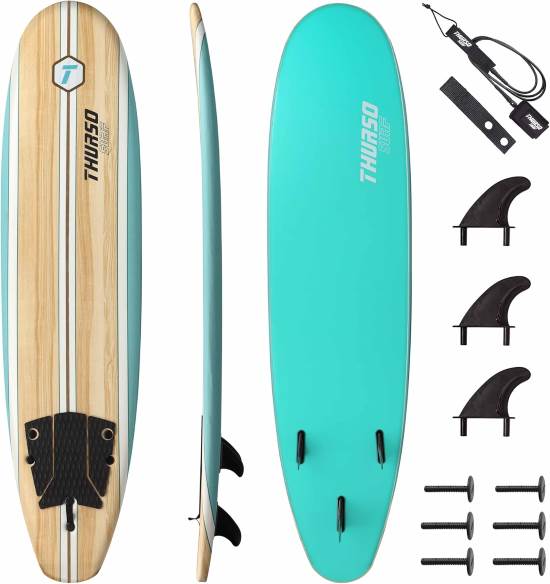
This board stands out because of its flexibility in size choice. The 7ft suits smaller riders, while the 8ft offers more stability for adults.
In Hawaiian waters, the longer version performs better due to stronger waves. It catches waves early and maintains balance even in choppy conditions.
It suits families or mixed skill levels. Build quality feels slightly more refined than entry level boards.
Maintenance is low effort, though hardware should be checked periodically.
User Review
Daniel K., Seattle
Used the 8ft in Oahu. It felt stable even when waves got a bit messy. Good for sharing between beginners.
Key Features
Multiple size options Allows better fit for user needs, though requires careful selection.
Reinforced foam core Improves durability, though adds slight weight.
Non slip deck surface Enhances grip, though can wear with heavy use.
Stainless steel components Resist corrosion, though require occasional rinsing.
Versatile performance design Works in various conditions, though not specialized.
Beginner to intermediate usability Supports skill growth, though caps advanced progress.
Pros and Cons
| Pros | Cons |
| Flexible size choices | Slightly heavier build |
| Durable construction quality | Not high performance focused |
| Good family option | Requires size decision |
Wavestorm Classic Soft Top Foam 7ft Surfboard
Compact longboard alternative
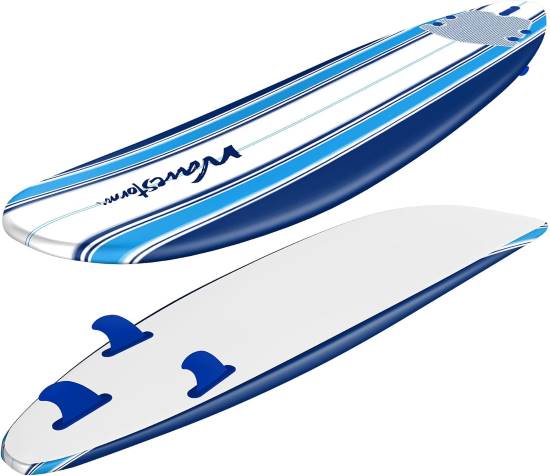
This 7ft version feels like a transition board. It is shorter than standard longboards but still offers reasonable stability.
In Hawaii, it works best in smaller surf where maneuverability matters more than wave power. You can practice turns more easily compared to an 8ft board.
It suits progressing beginners who want more control. However, heavier riders may find it lacks buoyancy.
Maintenance is simple, though the smaller size increases wear on edges.
User Review
Eric P., Tampa
Used this to move beyond beginner stage. It felt more responsive but still forgiving.
Key Features
7ft compact length Easier turning ability, though less stable.
Soft foam top Reduces injury risk, though dents over time.
Lightweight structure Easier handling, though affected by wind.
Beginner transition design Supports skill growth, though limited long term.
Basic fin system Provides control, though lacks precision.
Moderate buoyancy Works for lighter riders, though struggles with heavier users.
Pros and Cons
| Pros | Cons |
| More maneuverable than longboards | Less stable for beginners |
| Easy to carry around | Limited buoyancy |
| Good for progression stage | Not for large surfers |
Rock It Albert 6ft Soft Top Surfboard
Safety focused beginner board
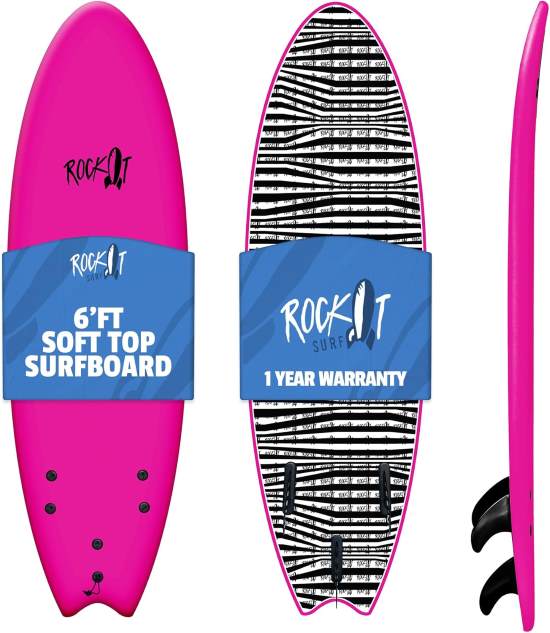
This board emphasizes safety and simplicity. It feels soft and forgiving, which matters in crowded Hawaiian beginner spots.
At 6ft, it suits kids and smaller riders. It responds quickly but requires better balance than longer boards.
It performs best in gentle waves. In stronger surf, it becomes harder to control and paddle.
Maintenance is minimal, though durability is moderate.
User Review
Kelly S., Orlando
Great starter board for my daughter. She felt safe learning, but needed calm water.
Key Features
Soft top construction Minimizes injury risk, though less durable long term.
Compact size design Easy for kids to manage, though less stable.
Safety oriented edges Reduces impact harm, though affects performance.
Lightweight build Easy carrying, though unstable in wind.
Simple fin setup Basic control, though limited maneuverability.
Beginner focused usability Encourages learning, though restricts progression.
Pros and Cons
| Pros | Cons |
| Very safe for beginners | Limited wave performance |
| Easy for kids handling | Not for strong surf |
| Lightweight and simple | Short lifespan durability |
FLOWBOARD Softboard Foam Intermediate Model
Performance oriented soft board
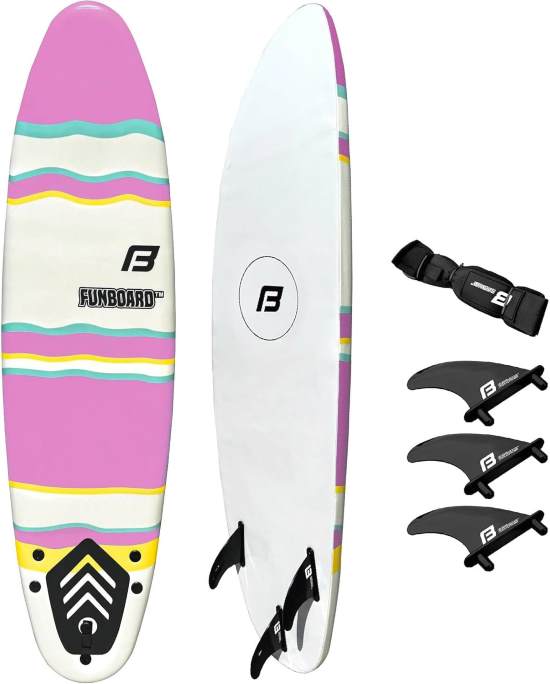
This board feels noticeably more responsive than beginner models. It balances foam safety with improved control.
In Hawaii, it performs better in moderate waves where you need quicker turns and better speed handling. It suits intermediate surfers stepping up from basic boards.
It requires more skill to control, especially during takeoff.
Maintenance includes checking fin alignment and surface wear.
User Review
Ryan H., San Diego
Used this after upgrading from a beginner board. It handled turns much better and felt faster.
Key Features
Intermediate performance shape Enables sharper turns, though less forgiving.
Enhanced foam density Improves responsiveness, though reduces softness.
Improved fin system Offers better control, though needs adjustment.
Balanced weight design Supports speed, though harder to carry.
Durable outer layer Handles stronger waves, though requires care.
Progression focused build Supports skill growth, though not beginner friendly.
Pros and Cons
| Pros | Cons |
| Better turning performance | Less beginner friendly |
| Handles stronger waves | Requires more control |
| Good progression option | Slightly heavier feel |
Best Sellers in Surfboards Buying Guide
What Actually Matters Before Choosing Best Sellers in Surfboards in Hawaii
Core performance factors
Wave catching ability, stability, and maneuverability define your experience. Many buyers focus only on board length, but volume and shape matter just as much. In Hawaii, early wave entry reduces fatigue and improves safety.
Material quality and durability
Foam boards absorb impact, which suits beginners, but they compress over time. Buyers often assume all foam boards last equally long. In reality, density and outer coating affect longevity.
Comfort and usability
A board should feel manageable both in water and on land. Heavier boards paddle better but are harder to carry. This balance often gets overlooked.
Maintenance demands
Saltwater exposure wears down materials. Regular rinsing and fin checks extend lifespan. Many users underestimate how quickly small issues grow.
Environmental compatibility
Hawaii offers reef breaks, beach breaks, and strong currents. A board that works in calm water may struggle here. Matching board type to location matters.
Safety considerations
Soft tops reduce injury risk, especially in crowded areas. Beginners often ignore safety until accidents happen. The right board minimizes that risk.
Related:
Top 10 Best Entry-Level Surfboards for New Surfers (2025 Guide)
7 Best Fiberglass Surfboards for Beginner Surfers That Will Skyrocket Your Progress
Common Buyer Mistakes
Many beginners assume longer boards are always better. While they improve stability, they limit maneuverability and progression.
Some buyers choose based on appearance instead of function. Visual design does not affect performance in real conditions.
Others underestimate wave strength. A board that works in calm beaches may fail in Hawaiian surf.
Many ignore weight and transport needs. Carrying a large board daily becomes tiring.
Some expect one board to suit all skill levels. In reality, progression often requires upgrading.
Buyers also overlook maintenance. Even durable boards degrade without care.
How to Match Products to Specific Needs
Casual users benefit from stable longboards that simplify learning. They need comfort over performance.
Frequent surfers should prioritize durability and balanced control. Boards like mid length soft tops work well.
Those with limited storage or transport needs should consider shorter boards, even if they sacrifice stability.
Budget focused users should think long term. A slightly better board often lasts longer.
Advanced users need responsiveness. Intermediate boards offer better control but require skill.
Conclusion
Choosing the right surfboard in Hawaii depends on how and where you plan to surf. Stability, durability, and wave compatibility matter more than brand or appearance. Beginners benefit from longer foam boards, while progressing surfers should gradually shift toward more responsive designs.
Focus on what matches your current ability and local conditions. That decision shapes how quickly you improve and how enjoyable your time in the water feels.
FAQs
What size surfboard is best for Hawaii beginners
An 8ft foam longboard works best for stability and easy wave catching.
Are foam surfboards good for Hawaiian waves
Yes, especially for beginners, but they struggle in steep or fast waves.
How long do foam surfboards last
With regular care, they last several seasons before showing wear.
Can kids use adult surfboards
They can, but smaller boards are easier to control and safer.
Do I need different boards for different beaches
Yes, wave type and strength often require different board designs.

