
The sun blazed over Bali’s turquoise waves, and I was ready to surf. I grabbed my board, but my excitement sank. The wax was a clumpy, gooey mess, sticking to my hands instead of the deck. Why does surfboard wax clump in the tropics? This question haunts surfers in warm climates. Tropical heat and humidity transform wax into a frustrating blob, ruining grip and performance. Understanding this issue can save your surf session. In this post, I’ll share why wax clumps, how to prevent it, and tips to keep your board ready. With insights from my own mishaps and research, you’ll conquer the sticky situation. Let’s dive into the science and solutions for tropical surfing success.
The Science Behind Clumping Wax
Surfboard wax clumps in the tropics due to heat and humidity. Wax is made of paraffin, beeswax, and tackifiers, designed to melt slightly for grip. In tropical climates, temperatures often exceed 80°F, softening wax beyond its ideal texture. According to a 2019 study by Surf Science, wax formulated for cooler waters (below 70°F) loses structure above 75°F, becoming sticky and clumpy. High humidity, common in places like Indonesia, adds moisture, breaking down wax’s binding agents. This creates a gooey mess that slides off boards.
My first trip to Costa Rica taught me this lesson. I used cold-water wax in 85°F heat, and it melted into a useless puddle. The board slipped under my feet, ending my session early. Choosing the right wax for tropical conditions is crucial. Brands like Sticky Bumps offer “tropical” formulas with higher melting points, designed for temperatures above 75°F. Understanding wax composition and climate helps surfers avoid clumping and maintain grip.
Why Tropical Climates Are Wax’s Worst Enemy
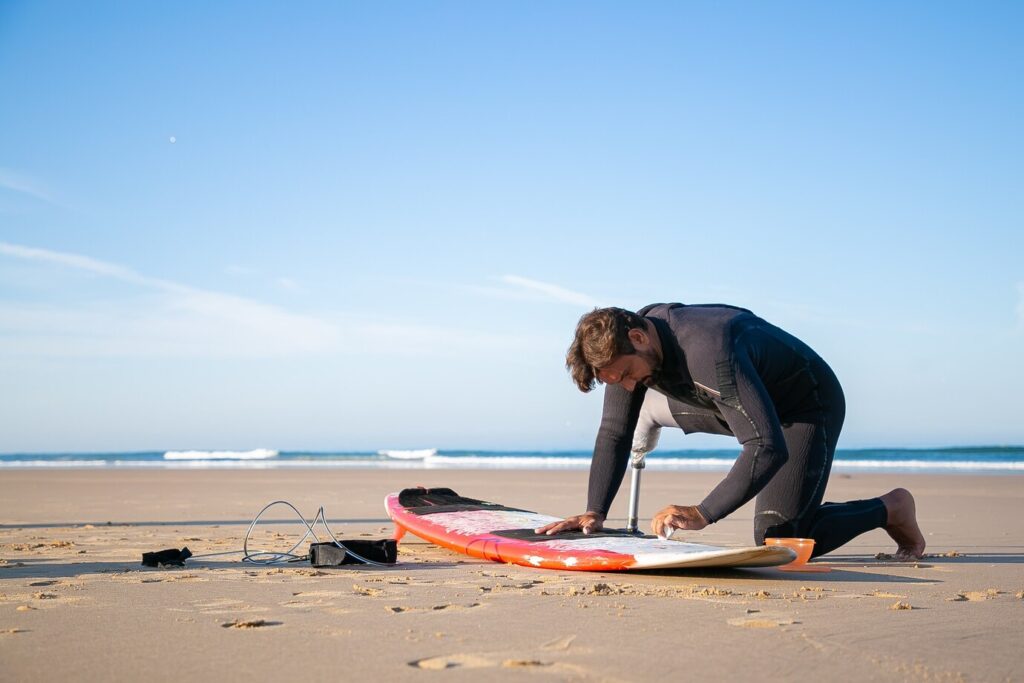
Tropical climates challenge surfboard wax with relentless heat and moisture. Daytime temperatures in places like Hawaii or the Maldives often hit 85–90°F, far above the 60–70°F range of standard wax. This heat softens wax, making it tacky and prone to clumping. Humidity, often above 80% in tropical regions, worsens the problem. Moisture seeps into wax, weakening its structure and causing it to smear. A 2021 report by Coastal Dynamics noted that high humidity reduces wax adhesion by 30%, leading to poor grip.
I learned this in Fiji, where my wax turned into a sticky blob after one session. The humid air and scorching sun melted it, leaving my board slick. Even reapplying didn’t help; the wax just clumped again. Using tropical-specific wax and storing boards properly can combat these conditions. Additionally, UV rays in tropical areas degrade wax over time, making it brittle or overly soft. Surfers must adapt to these environmental factors to keep their boards functional and safe.
Choosing the Right Wax for Tropical Surfing
Selecting the correct wax prevents clumping and ensures grip. Wax is rated by water temperature: cold (below 60°F), cool (58–68°F), warm (64–74°F), and tropical (above 75°F). In the tropics, always choose tropical wax. These formulas have higher melting points, staying firm in hot conditions. Brands like Sex Wax and Fu Wax design tropical blends for temperatures above 75°F, reducing clumping.
During a trip to Nicaragua, I switched to tropical wax after my cool-water wax failed. The difference was night and day—my board stayed grippy, and I surfed confidently. Check water temperatures before traveling; websites like Surfline provide accurate forecasts. Also, consider wax hardness. Softer waxes clump more in heat, while harder ones hold up better. Apply a base coat of hard wax, then a top coat of tropical wax for extra durability. This combo withstands heat and humidity, keeping your board ready. For a finishing touch, consider using a fishing reel style application technique to ensure even coverage and maximize performance on the water.
Practical Tips to Prevent Wax Clumping
Preventing wax clumping in the tropics requires smart strategies. Here are actionable tips to keep your board in top shape:
- Use Tropical Wax: Choose wax labeled for water above 75°F, like Sticky Bumps Tropical or Sex Wax Tropical.
- Store Boards Properly: Keep boards in a cool, shaded area or use a board bag with reflective lining to block heat.
- Apply Thin Layers: Thick wax melts faster. Apply a thin, even layer for better adhesion and less clumping.
- Clean Old Wax Regularly: Remove old wax with a wax comb or warm water to prevent buildup, which worsens clumping.
- Avoid Direct Sunlight: Don’t leave boards in the sun. UV rays and heat degrade wax, making it sticky.
In Thailand, Hawkins, I used these tips in Puerto Rico, where my wax melted after one session. A local surfer recommended storing boards in a car with windows up to reduce heat exposure. These tricks saved my sessions, letting me focus on waves instead of a slippery deck.
How to Apply Wax for Maximum Grip
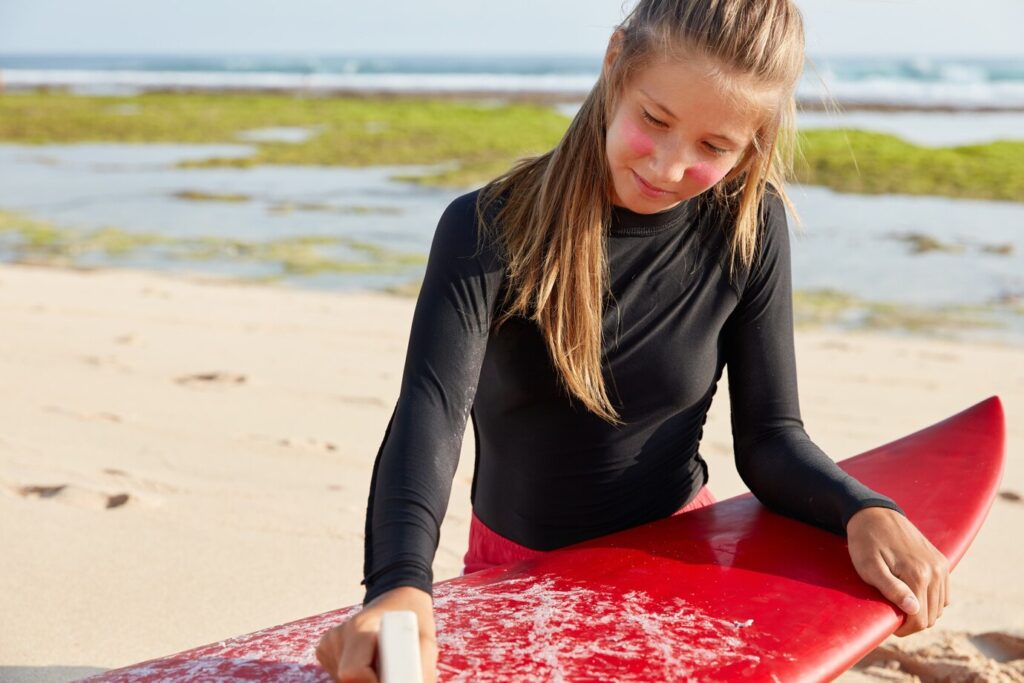
Applying wax correctly boosts grip and reduces clumping. Start with a clean board; scrape off old wax with a wax comb. Apply a base coat of hard tropical wax in a crosshatch pattern—diagonal lines forming diamonds. This creates texture for grip. Then, add a lighter top coat of tropical wax in small, circular motions. Keep layers thin to avoid excess buildup, which clumps in heat.
I once over-waxed my board in Thailand, thinking more was better. The thick layer melted into a gooey mess, ruining my session. Now, I apply thin, even coats, ensuring maximum grip without clumping. Rub the wax with your hand to warm it slightly, helping it stick. Reapply lightly after each session, especially in humid tropics. This method keeps your board grippy and ready for action.
Storing Your Board in Tropical Conditions
Proper storage prevents wax clumping. In the tropics, heat and humidity are constant threats. Store your board in a shaded, ventilated area, away from direct sunlight. Use a reflective board bag to deflect heat; studies show reflective materials reduce board temperatures by up to 15°F. Avoid leaving boards in cars or on beach racks, where heat builds up.
In Brazil, I left my board on the beach, and the wax turned to mush in an hour. Now, I use a silver board bag and store it under a palm tree. If indoors, keep boards upright in a rack, ensuring air circulation. Remove wet wax with a comb before storing to prevent moisture buildup. These steps protect your wax and extend its life, keeping your board surf-ready.
When to Rewax Your Board
Rewaxing depends on use and conditions. In the tropics, wax degrades faster due to heat and humidity. Check your board before each session. If the wax feels slick, clumpy, or lacks texture, it’s time to rewax. Heavy surfers may need to rewax daily, while casual surfers can go a few sessions.
My rule in Costa Rica was simple: rewax every two sessions. The humid air softened wax fast, and fresh layers kept my grip solid. Scrape off old wax completely every 1–2 weeks to avoid buildup, which attracts moisture and clumps. Regular maintenance ensures your board performs, letting you focus on carving waves.
Conclusion
Surfboard wax clumping in the tropics is a challenge, but it’s manageable. Heat and humidity soften wax, breaking its structure and ruining grip. By choosing tropical wax, applying thin layers, and storing boards properly, you can keep your deck ready. My Bali mishap taught me to respect the tropics’ power, but with the right strategies, I’ve surfed grippy boards ever since. Use hard wax base coats, clean old wax regularly, and avoid sunlight exposure. These steps, backed by research, ensure your board stays functional. Don’t let clumpy wax steal your waves. Share your tropical surfing tips below or spread this article to help fellow surfers. Let’s conquer the stickiness and ride the tropics like pros!
FAQs
Why does my surfboard wax clump in hot weather?
Tropical heat (above 75°F) and humidity soften wax, breaking its structure and causing clumping.
What type of wax should I use in the tropics?
Use tropical wax, designed for water temperatures above 75°F, with a high melting point.
How often should I rewax my board in the tropics?
Rewax every 1–2 sessions if the wax feels slick or clumpy, and clean old wax weekly.
How can I store my board to prevent wax clumping?
Store in a shaded, ventilated area, use a reflective board bag, and avoid direct sunlight.
Can I use cold-water wax in tropical conditions?
No, cold-water wax (for below 60°F) melts and clumps in tropical heat above 75°F.

