
Learning how to catch a wave on a surfboard can feel daunting, but with the right guidance, you’ll be riding those swells in no time. Are you ready to ditch the shore and experience the thrill of gliding across the ocean? This comprehensive guide will equip you with the essential surfing tips for beginners, transforming you from a novice to a wave-catching enthusiast.
Understanding the Basics: Before You Hit the Water
Before paddling out, it’s crucial to grasp the fundamental concepts of surfing. This understanding will significantly improve your learning curve and ensure a safer, more enjoyable experience.
Choosing the Right Surfboard and Gear
- Beginner Surfboards: Opt for a longboard or a foam surfboard (also known as a soft top). These boards offer greater stability and make paddling easier.
- Essential Gear: You’ll need a leash, wax, and appropriate wetsuit or swimwear depending on the water temperature.
- Surfboard Waxing: Apply wax to the top of your surfboard for better grip, especially in the areas where your feet will be positioned.
Understanding Ocean Conditions and Surf Etiquette
- Reading the Ocean: Learn to identify waves, currents, and potential hazards. Understanding wave patterns is crucial for successful wave catching.
- Surf Etiquette: Respect other surfers, avoid dropping in (cutting someone off), and always paddle wide around the lineup.
- Safety First: Always surf within your limits and be aware of potential dangers like strong currents and submerged obstacles.
Mastering the Paddling Technique
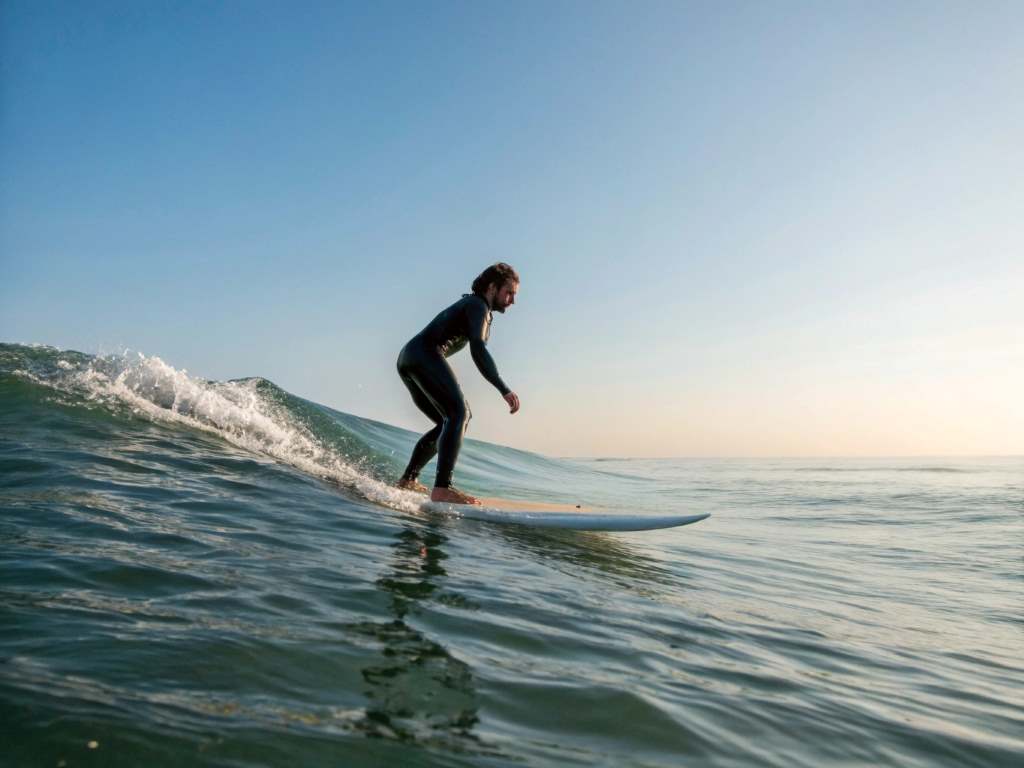
Paddling is the foundation of surfing. Without a proper paddling technique, you’ll struggle to catch waves effectively.
Proper Paddling Positioning
- Arch Your Back: Lie on your surfboard with your chest slightly lifted, arching your back to prevent dragging.
- Paddle with Power: Use long, powerful strokes, keeping your arms extended and your hands cupped.
- Maintain Balance: Keep your weight centered on the board to prevent tipping.
Paddling into a Wave
- Identify a Wave: Look for a wave that’s starting to break, and position yourself accordingly.
- Paddle Aggressively: As the wave approaches, paddle with increased intensity to match its speed.
- Timing is Key: Start paddling just before the wave reaches you to maximize momentum.
The Pop-Up: Transitioning from Paddling to Standing
The pop-up is the crucial transition from lying on your surfboard to standing. Practicing this technique on land is highly recommended.
Land Practice for the Pop-Up
- Start in a Push-Up Position: Lie on your stomach and place your hands on either side of your chest.
- Explosive Movement: Push up quickly, bringing your feet underneath you in a squat stance.
- Stance and Balance: Position your feet shoulder-width apart, with your knees slightly bent for balance.
Executing the Pop-Up on the Water
- Timing with the Wave: Initiate the pop-up as you feel the wave lifting the tail of your surfboard.
- Quick and Smooth: Perform the pop-up in one fluid motion to maintain balance.
- Maintain Low Center of Gravity: Keep your knees bent and your weight centered to stay stable.
Riding the Wave: Maintaining Balance and Direction
Once you’re standing, the challenge shifts to maintaining balance and directing your surfboard.
Maintaining Balance
- Knee Flex and Weight Distribution: Keep your knees bent and distribute your weight evenly across your feet.
- Use Your Arms: Use your arms for balance, adjusting them as needed to stay upright.
- Look Ahead: Focus on where you want to go, not down at your feet.
Steering and Direction
- Weight Shift: Shift your weight to your heels or toes to turn.
- Use Your Body: Lean slightly in the direction you want to go.
- Practice Turns: Practice small turns to get a feel for how your surfboard responds to your movements.
Understanding Wave Dynamics
- The Pocket: The most powerful part of the wave, where you want to be positioned.
- Wave Faces and Breaks: Different waves break in different ways, learning to identify these is important.
- Reading the Swell: Understand how the swell is moving to anticipate the next wave.
Refining Your Skills: Progression and Continued Learning
Surfing is a continuous learning process. To improve, consistent practice and a willingness to learn are essential.
Seeking Professional Instruction
- Surf Lessons: Consider taking surf lessons from a certified instructor.
- Feedback and Guidance: Professional instructors can provide valuable feedback and guidance.
- Safety and Technique: They can also teach you advanced techniques and safety measures.
Practicing Regularly
- Consistent Practice: The more you surf, the better you’ll become.
- Variety of Conditions: Surf in different wave conditions to build versatility.
- Video Analysis: Record your surfing sessions and analyze them to identify areas for improvement.
Building Strength and Flexibility
- Cross Training: Incorporate cross-training exercises like swimming, yoga, and core workouts.
- Flexibility Exercises: Improve your flexibility to enhance your pop-up and overall surfing performance.
- Endurance Training: Build endurance to paddle for longer periods.
Conclusion: Embrace the Journey
Learning how to catch a wave on a surfboard is an exciting journey filled with challenges and rewards. By understanding the basics, practicing consistently, and respecting the ocean, you’ll be well on your way to becoming a proficient surfer. Remember, patience and persistence are key.
Ready to ride your first wave? Start today! Don’t hesitate to seek professional guidance and embrace the thrill of surfing. Share your progress and questions in the comments below, and let’s ride together!

