
Choosing the right surfboard can be daunting, especially when considering the crucial factor of volume. Have you ever wondered how to calculate surfboard volume to ensure optimal performance? A surfboard’s volume, measured in liters, dictates its buoyancy and stability, impacting your wave-catching ability and overall surfing experience. This comprehensive guide will demystify the process, helping you find your ideal board.
What is Surfboard Volume and Why Does it Matter?
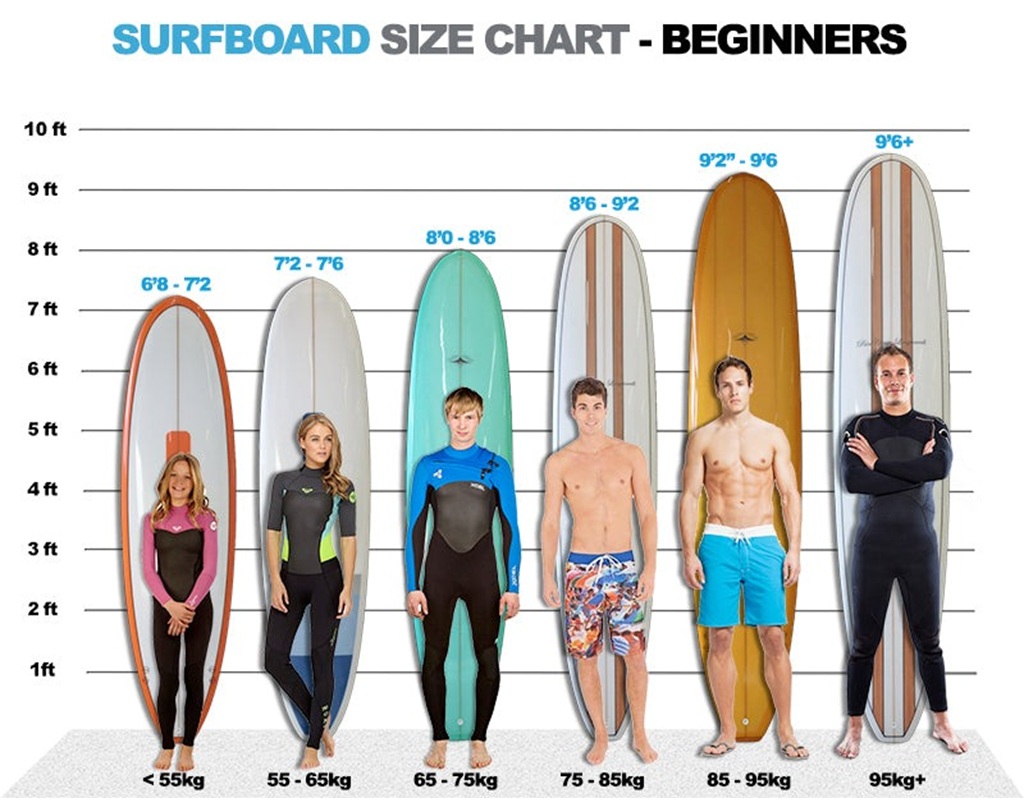
Surfboard volume essentially represents the amount of space a surfboard occupies. It directly correlates with the board’s flotation. A higher volume board will float better, making it easier to paddle and catch waves. Conversely, a lower volume board offers increased maneuverability and responsiveness, ideal for experienced surfers. Understanding this balance is key to selecting a board that matches your skill level and surfing style.
- Buoyancy: More volume = more float.
- Stability: Higher volume provides greater stability.
- Paddle Power: Increased volume aids in paddling.
- Maneuverability: Lower volume allows for sharper turns.
How to Calculate Surfboard Volume: Methods and Considerations
While precise calculation can be complex, several methods can help you estimate the ideal volume for your needs.
-
Using Online Surfboard Volume Calculators
Numerous online tools simplify the process. These calculators consider factors like your weight, skill level, and wave type to provide a recommended volume range. Simply input your details, and the calculator will generate a suggested volume. These tools are excellent for getting a quick estimate.
- Search for “surfboard volume calculator” online.
- Enter your weight, height, and skill level.
- Receive a recommended volume range.
-
Understanding Volume Guidelines Based on Skill Level
General guidelines exist to help you choose the right volume based on your experience.
- Beginner: Beginners should opt for higher volume boards, typically 1-1.2 liters per kilogram of body weight. This provides stability and ease of paddling.
- Intermediate: Intermediate surfers can aim for 0.8-1 liter per kilogram. This allows for improved maneuverability while maintaining sufficient float.
- Advanced: Advanced surfers often prefer lower volume boards, around 0.6-0.8 liters per kilogram. This maximizes responsiveness and performance in critical sections of the wave.
-
Considering Wave Type and Surfboard Style
The type of waves you intend to surf and the style of surfboard you prefer also influence the ideal volume.
- Small Waves: Higher volume boards are ideal for small, mushy waves, as they provide better paddling and wave-catching ability.
- Large Waves: Lower volume boards are often preferred for large, powerful waves, as they offer increased control and responsiveness.
- Longboards: Longboards typically have high volume to provide stability and ease of paddling in smaller waves.
- Shortboards: Shortboards have lower volume for enhanced maneuverability and performance in steeper waves.
- Hybrids: Hybrid boards offer a balance between longboards and shortboards, with medium volume.
-
Using the “Liters Per Kilogram” Formula
A simple formula can help you estimate your ideal volume:
-
Volume (Liters) = Body Weight (Kilograms) x Volume Factor
The volume factor varies based on skill level (as mentioned above). For example, a 70kg beginner would aim for approximately 70kg x 1.1 liters/kg = 77 liters.
Factors Affecting Surfboard Volume Selection
Several factors can influence your decision beyond your weight and skill level.
- Fitness Level: If you are less fit, consider a slightly higher volume board to compensate for reduced paddling power.
- Wave Conditions: The type of waves you frequently surf will impact your volume preference.
- Personal Preference: Ultimately, the best volume is the one that feels most comfortable and allows you to perform at your best.
- Age: Older surfers may seek higher volume for ease of use.
Interpreting Surfboard Volume Numbers
Surfboard manufacturers typically list the volume in liters on their boards. This number provides a clear indication of the board’s buoyancy. When comparing boards, pay close attention to this specification.
- Higher Liters: Easier paddling, more stability.
- Lower Liters: Increased maneuverability, more responsive.
Read More Also: Riding Against the Grain: Unraveling the World of Goofy Surf
Practical Tips for Finding Your Ideal Volume
- Demo Different Boards: Whenever possible, demo various boards with different volumes to feel the difference.
- Consult Local Surf Shops: Local surf shops can offer expert advice based on your specific needs and local wave conditions.
- Read Reviews: Online reviews can provide valuable insights from other surfers.
- Consider Your Progression: As your skills improve, you may need to adjust your board volume.
Example Scenario
Let’s say you’re an intermediate surfer weighing 80kg. You typically surf average beach breaks. Using the formula, you might aim for 80kg x 0.9 liters/kg = 72 liters. This provides a good starting point for your search.
Read More Also:
Conclusion
Understanding how to calculate surfboard volume is essential for selecting the right board and maximizing your surfing potential. By considering your weight, skill level, wave type, and personal preferences, you can find a board that enhances your performance and enjoyment. Remember that online calculators and local surf shops can provide valuable assistance.
Don’t be afraid to experiment and find what works best for you.
Call to Action (CTA): Ready to find your perfect surfboard volume? Use our online calculator or visit your local surf shop today! Share your experience and questions in the comments below.
Read More:
Exploring the Exciting Range of Surfing Types
25 Types of Surfboards for Beginners and Professionals

