
The ocean, a realm of constant motion and mesmerizing beauty, often conceals a hidden danger: square sea waves. These unusual wave patterns, resembling a grid-like surface, are a captivating yet terrifying phenomenon that has baffled sailors and scientists alike. While their visual appeal is undeniable, the underlying forces that create them and the inherent risks they pose are critical to understand for anyone venturing onto the open sea.
Visualizing the Unseen: What Are Square Sea Waves?
Imagine a vast expanse of water, not with the familiar rolling swells, but with a perfect checkerboard pattern formed by intersecting wave systems. This is the essence of square sea waves, also known as cross seas. Instead of waves traveling in a single, unified direction, they converge from different angles, creating a grid-like appearance. This visual spectacle, often captured by aerial photography, is both stunning and unnerving.
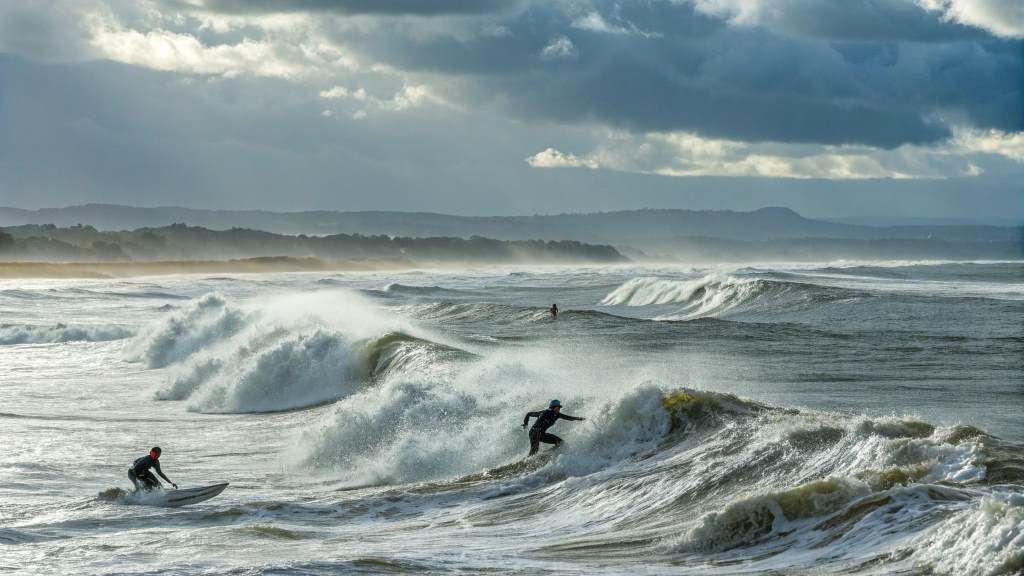
Why Is Square Waves Dangerous? The Hidden Hazards of Intersecting Seas
The allure of square waves masks a profound and potentially lethal danger. Unlike regular waves that provide a predictable rhythm, these intersecting patterns create an incredibly unstable and unpredictable sea state. Here’s a breakdown of why square waves are so hazardous:
- Unpredictable Wave Height and Direction: The convergence of multiple wave systems leads to sudden and dramatic changes in wave height. One moment the sea may appear relatively calm, and the next, a towering wave can materialize unexpectedly. This unpredictability makes it extremely difficult for vessels to navigate.
- Extreme Instability and Rolling: The intersecting waves create a chaotic environment where ships are subjected to violent and unpredictable rolling. This can lead to cargo shifting, damage to the vessel, and even capsizing.
- Reduced Vessel Control: In a square sea state, the rudder becomes less effective, making it challenging for captains to maintain course. This loss of control can be particularly dangerous in confined waters or near hazards.
- Increased Risk of Capsizing: The combined forces of the intersecting waves can create a “hollow” in the water, causing ships to lose buoyancy and potentially capsize. This is especially true for smaller vessels or those with a high center of gravity.
- Dangerous for Swimmers and Coastal Areas: The unpredictable nature of square waves also poses a significant threat to swimmers and those near the coast. Strong currents and sudden surges can sweep individuals out to sea or slam them against rocks.
What Causes Square Waves? The Collision of Wave Systems
The formation of the sea waves is a result of the interaction between two or more distinct wave systems. Understanding these contributing factors is crucial to predicting and avoiding these dangerous conditions:
- Wind Shifts and Changing Weather Patterns: The most common cause of square waves is a sudden change in wind direction. When a new wind system generates waves that travel at an angle to existing waves, the intersection creates the characteristic grid pattern.
- Distant Storms: Waves generated by distant storms can travel thousands of miles before reaching a coastline. If these waves intersect with locally generated waves or waves from another distant storm, square seas can form.
- Ocean Currents: Strong ocean currents can refract and alter the direction of waves, leading to the formation of intersecting wave patterns. The interaction between currents and waves is a complex process that can contribute to the unpredictability of square seas.
- Coastal Geography and Topography: The shape of the coastline and the underwater topography can influence wave patterns. Reflections and refractions of waves off cliffs, shoals, and other underwater features can contribute to the formation of square waves.
- Internal Waves: While less common, internal waves, which occur below the surface of the ocean, can also influence surface wave patterns and contribute to the formation of square seas.
Navigating the Danger: Prevention and Mitigation
While square sea waves are inherently unpredictable, there are steps that can be taken to mitigate the risks:
- Weather Forecasting and Monitoring: Closely monitoring weather forecasts and sea state reports is crucial for identifying potential areas where square seas may form.
- Avoidance: The best way to avoid the dangers of the sea waves is to stay out of areas where they are likely to occur. This may involve altering course or delaying travel until conditions improve.
- Vessel Design and Stability: Vessels designed for rough seas and equipped with advanced stability systems are better equipped to handle the challenges of square seas.
- Crew Training and Experience: Experienced sailors and captains are better able to recognize and respond to the signs of square seas. Proper training and experience are essential for navigating these dangerous conditions.
- Communication and Alert Systems: Utilizing communication systems to share information about square sea conditions and alert other vessels is vital for safety.
The Significance of Research and Understanding
Continued research into the dynamics of square sea waves is essential for improving our understanding of this phenomenon and developing more effective prediction and mitigation strategies. Advances in oceanographic modeling and satellite technology are providing valuable insights into the formation and behavior of these complex wave patterns.
FAQs
Q: Are square sea waves common?
A: While not as frequent as regular waves, sea waves occur in many parts of the world, particularly in areas where multiple wave systems converge. The area around Île de Ré in France is particularly known for this phenomenon.
Q: Can square sea waves occur in any ocean?
A: Yes, the sea waves can occur in any ocean where the conditions are right for the intersection of multiple wave systems.
Q: How can I identify square sea waves?
A: The sea waves are characterized by a grid-like pattern on the surface of the water, with waves intersecting at roughly right angles. However, it can be difficult to identify them from sea level. Monitoring weather and sea state reports is the best way to determine if square seas are likely to occur in a particular area.
Q: What should I do if I encounter square sea waves while boating?
A: If you encounter sea waves, reduce speed, maintain a steady course, and be prepared for sudden changes in wave height and direction. If possible, alter course to avoid the area. Monitor weather reports and communicate with other vessels.
Q: Are square sea waves dangerous for large ships?
A: While large ships are generally more stable than smaller vessels, sea waves can still pose a significant threat. The unpredictable nature of these waves can lead to cargo shifting, damage to the vessel, and even capsizing in extreme cases.
Q: Can square sea waves occur in lakes?
A: While less common, square sea waves can occur in large lakes where multiple wind systems or wave reflections create intersecting wave patterns.
Q: How do scientists study square sea waves?
A: Scientists use a variety of tools and techniques to study square sea waves, including satellite imagery, wave buoys, and oceanographic models. These tools help them to track wave patterns, measure wave height and direction, and understand the underlying dynamics of these complex wave systems.
Q: Are square sea waves related to rogue waves?
A: While both are dangerous wave phenomena, they are distinct. Rogue waves are single, exceptionally large waves that occur unexpectedly, while sea waves are a pattern of intersecting waves. However, the chaotic conditions created by square seas can increase the likelihood of rogue wave formation.
Q: Can square sea waves be predicted?
A: While predicting the precise location and timing of square sea waves is challenging, advances in weather forecasting and oceanographic modeling are improving our ability to identify areas where they are likely to occur.
Q: How can I learn more about square sea waves?
A: You can learn more about sea waves by researching oceanography, meteorology, and maritime safety. Websites and publications from reputable scientific organizations and maritime authorities are excellent resources.
The ocean’s power and complexity are on full display with the phenomenon of square sea waves. By understanding their causes and dangers, we can better protect ourselves and navigate the seas with greater awareness and safety.

