
Surfing is an exhilarating sport, but the ocean is unforgiving, especially for beginners. Many new surfers overlook sun protection and hydration, assuming that the cool sea breeze and refreshing water are enough to keep them safe. Unfortunately, the combination of prolonged sun exposure and physical exertion can lead to dehydration, heat exhaustion, and severe sunburn.
Experts warn that failing to protect yourself from the sun and maintain proper hydration can significantly impact your performance, health, and overall surfing experience. In this guide, we will break down the dangers of neglecting sun protection and hydration, common mistakes new surfers make, and practical solutions to keep you safe while catching waves.
Why New Surfers Neglect Sun Protection and Hydration
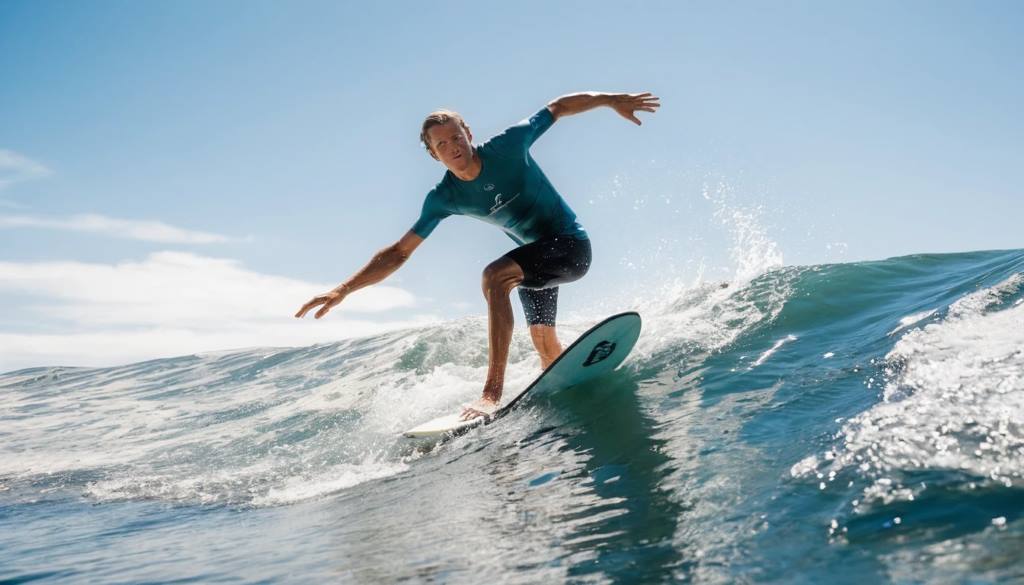
The Misconception of “Water Equals Hydration”
Many beginners assume that being in the ocean means they won’t get dehydrated. However, surfing is a high-intensity activity that causes excessive sweating, even if you don’t feel it. According to the National Athletic Trainers’ Association, losing just 2% of body weight in fluids can reduce physical performance and concentration.
Underestimating Sun Exposure
A common mistake new surfers make is assuming that the water protects them from sunburn. In reality, water reflects up to 25% of UV rays, intensifying exposure. According to the Skin Cancer Foundation, surfers are at a higher risk of skin cancer due to prolonged and repetitive sun exposure.
Lack of Awareness About Hydration Strategies
Most new surfers focus on their technique rather than their hydration levels. They often drink too little water before hitting the waves and don’t replenish fluids afterward. Studies show that athletes need at least 500ml of water per hour of physical activity in the sun to prevent dehydration.
Failure to Use Proper Sun Protection
Many first-time surfers either forget to apply sunscreen or use the wrong kind. Not all sunscreens are waterproof or reef-safe. Additionally, some only protect against UVB rays but leave skin vulnerable to deeper-penetrating UVA rays, which cause long-term damage.
The Real Dangers of Overlooking Sun Protection and Hydration
Heat Exhaustion and Dehydration
Surfing for long hours in the sun without proper hydration can lead to heat exhaustion. Symptoms include dizziness, nausea, muscle cramps, and confusion. In extreme cases, dehydration can escalate to heatstroke, a life-threatening condition where the body can no longer regulate its temperature.
Severe Sunburn and Skin Damage
Sunburn isn’t just painful; it can cause long-term skin damage, premature aging, and an increased risk of melanoma. Even a single blistering sunburn doubles the chances of developing skin cancer later in life.
Reduced Surfing Performance
Dehydration can lead to slower reaction times, reduced endurance, and muscle fatigue, all of which can negatively impact your ability to paddle, balance, and ride waves effectively.
Saltwater and Sun Exposure Can Accelerate Dehydration
Saltwater dehydrates the skin and can cause irritation, leading to chafing and rashes. The sun and wind strip away moisture from the body, making hydration even more crucial.
How to Protect Yourself: Essential Sun Protection and Hydration Tips
Hydration Tips for New Surfers
Drink Water Before, During, and After Surfing
- Pre-Hydration: Drink at least 500ml of water 30 minutes before surfing.
- During Surfing: Take water breaks every hour (consider using a hydration pack).
- Post-Surf Rehydration: Replenish fluids with electrolytes and coconut water to restore lost minerals.
Recognize the Early Signs of Dehydration
- Dry mouth
- Dizziness
- Muscle cramps
- Dark urine
- Fatigue
Avoid Caffeinated or Sugary Drinks
Sports drinks with high sugar content can lead to an energy crash. Stick to water, natural electrolyte drinks, or coconut water for optimal hydration.
Sun Protection Strategies Every Surfer Must Follow
Use a High-Quality Sunscreen
- Choose a broad-spectrum, waterproof sunscreen with SPF 50+.
- Apply 30 minutes before entering the water and reapply every 2 hours.
- Look for reef-safe sunscreens to protect marine life.
Wear Protective Surf Gear
- Rash Guards and Surf Shirts: Provide UPF protection and prevent sunburn.
- Surf Hats: A wide-brim surf hat helps shield the face and neck from direct sunlight.
- Sunglasses with UV Protection: Reduces glare and protects the eyes from sun damage.
Schedule Surf Sessions Wisely
- Avoid surfing between 10 AM and 4 PM when UV rays are strongest.
- Opt for early morning or late afternoon sessions to minimize sun exposure.
The Best Hydration and Sun Protection Products for Surfers
Recommended Sunscreens
| Brand | SPF | Waterproof | Reef-Safe |
|---|---|---|---|
| Sun Bum | 50 | Yes | Yes |
| Raw Elements | 50 | Yes | Yes |
| Thinksport | 50 | Yes | Yes |
Top Hydration Products
| Product | Type | Benefits |
|---|---|---|
| Liquid I.V. Hydration Multiplier | Electrolyte Powder | Rapid hydration, restores minerals |
| Nuun Sport Tablets | Electrolyte Tablets | Portable, low sugar, easy to use |
| Coconut Water | Natural Drink | High in potassium, prevents dehydration |
Common Myths About Sun Protection and Hydration in Surfing
“I Won’t Get Sunburned on a Cloudy Day”
Even on cloudy days, 80% of UV rays penetrate through clouds, making sunscreen essential.
“Water Keeps Me Cool, So I Don’t Need to Drink Much”
You’re still sweating and losing fluids, even if you don’t feel it.
“I Only Need to Apply Sunscreen Once”
Sunscreen washes off and needs to be reapplied every two hours.
FAQs
What happens if I don’t drink enough water while surfing?
Dehydration can cause fatigue, dizziness, muscle cramps, and heat exhaustion, affecting your performance and overall health.
How do I prevent sunburn while surfing?
Use a high-SPF, water-resistant sunscreen, wear protective clothing, and avoid peak sun hours.
Is coconut water better than sports drinks for hydration?
Yes, coconut water is a natural electrolyte-rich drink with fewer sugars and artificial additives than most sports drinks.
Can I get sunburned in the water?
Yes, UV rays penetrate water and reflect off the surface, increasing exposure.
How often should I reapply sunscreen while surfing?
Every two hours, or immediately after long surf sessions.
What’s the best way to stay hydrated while surfing for hours?
Drink plenty of water before, take breaks to hydrate, and replenish with electrolytes post-session.
Final Thoughts
Overlooking sun protection and hydration for new surfers can lead to serious health risks, poor performance, and long-term damage. By staying hydrated and properly protecting yourself from the sun, you’ll enjoy surfing safely while improving your endurance and skills. Don’t let preventable mistakes cut your surf sessions short—stay safe, stay hydrated, and ride the waves like a pro!

