
Surfing is all about rhythm—the ebb and flow of the ocean, your body in sync with the waves. But if you’ve ever tried paddling out to catch the perfect wave, you know that it’s not just about strength; it’s about technique. Surf paddling is often overlooked by beginners, and even experienced surfers tend to make the same paddling mistakes repeatedly. These bad habits can slow you down, tire you out, and even prevent you from catching waves altogether. Let’s dive into the worst surf paddling mistakes and how to fix them!
The Importance of Proper Paddling in Surfing
Paddling is at the heart of every surfer’s session. Whether you’re catching a wave or simply getting out to the lineup, paddling plays a crucial role. Poor paddling technique can exhaust you quickly, make your timing off, and even leave you stranded in the middle of the ocean with no way to get back to shore.
Experts say that paddling effectively is just as important as your wave-riding skills. According to a study conducted by the World Surf League (WSL), surfers who focus on improving their paddling technique can improve their wave count by 15–20%. This may not sound like a lot, but when you’re out there fighting for waves, it can make all the difference between a good session and a frustrating one.
Now, let’s uncover the top paddling mistakes that might be holding you back and how to fix them.
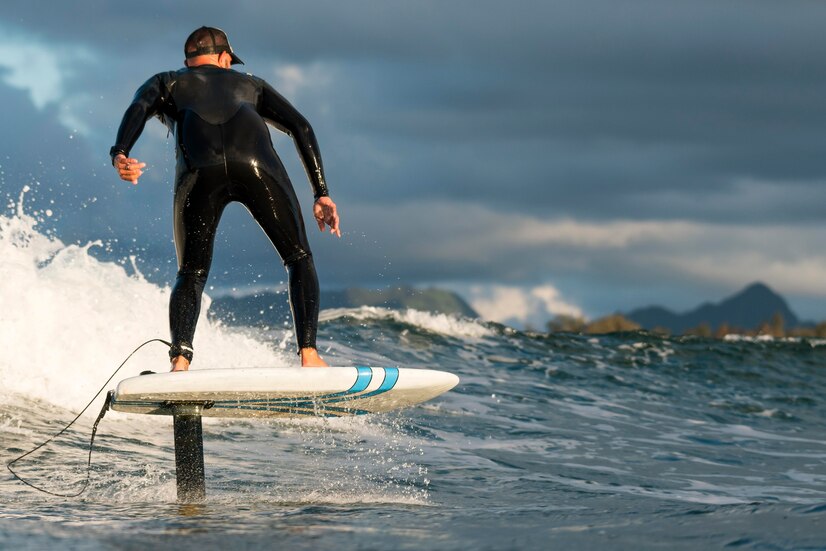
Mistake 1: Poor Hand Positioning
One of the most common mistakes beginner surfers make is incorrect hand positioning. Imagine trying to paddle with your arms flailing about—it’s inefficient and uses up more energy than necessary. If your hands are too close together or too far apart, it creates instability and reduces your paddling power.
How to Fix It:
- Proper Hand Placement: Your hands should be about shoulder-width apart. The key is to maintain a streamlined position with minimal drag in the water.
- Palm Direction: When paddling, your palms should face down, and your arms should remain slightly bent. This will allow your muscles to engage more effectively.
- Push and Pull: Imagine you’re pushing the water with your hands rather than just pulling it back. This method gives you better control, and you’ll notice you’re gliding faster.
Mistake 2: Incorrect Body Position
Your body position on the surfboard is vital to effective paddling. If you’re too far forward, you might catch a nose dive or face-plant into the water. Too far back, and you’ll struggle to gain any speed.
How to Fix It:
- Center Your Weight: Lay on the board so that your body is centered, just behind the midpoint of the board. Your head, torso, and feet should form a straight line, keeping your back slightly arched.
- Balance with Your Hips: Keep your hips up and avoid the “flat board” position. A slight arch with your back will allow you to glide effortlessly and minimize drag.
Mistake 3: Paddling Too Fast or Too Slow
A lot of surfers either paddle too aggressively or too lazily. Both of these mistakes can be energy-zapping and lead to poor results. Fast paddling creates unnecessary splashing and turbulence, while paddling too slowly means you won’t have enough momentum to catch waves.
How to Fix It:
- Find a Steady Rhythm: Paddle in steady, long strokes that are strong but not rushed.
- Timing Is Key: You want to time your strokes to match the waves. Try to paddle hard in the critical moments and ease up when the wave isn’t close to you yet.
- Smooth and Efficient Strokes: Focus on quality over quantity—longer strokes will save more energy and help you gain speed faster.
Mistake 4: Not Using Your Legs
Many surfers forget the power their legs can provide when paddling. Instead of focusing purely on arm strength, your legs can help generate additional propulsion.
How to Fix It:
- Engage Your Core and Legs: While paddling, engage your core and keep your legs active. Try to keep your legs slightly raised so they don’t drag in the water. Think of your legs like an extension of your paddling motion, helping propel you forward.
- Kick to Add Speed: If you’re paddling to catch a wave, don’t hesitate to give your legs a gentle kick to add more momentum.

Mistake 5: Lack of Consistency in Paddle Strokes
Consistency in paddling is critical, yet many surfers lack this. When your stroke count is inconsistent, you’ll end up wasting energy or losing momentum at key moments.
How to Fix It:
- Count Your Strokes: An easy trick is to count your strokes while paddling out. Aim to make consistent, rhythmic strokes without overexerting yourself.
- Short, Steady Strokes: Focus on making short but powerful strokes, which will conserve energy and keep you on track.
Mistake 6: Not Using the Right Paddle Technique for Different Conditions
Conditions like wind, current, and wave height can affect how you should paddle. One-size-fits-all doesn’t work in surfing, and paddling techniques must adjust accordingly.
How to Fix It:
- Adapt to Conditions: For smaller waves, you’ll need a lot of quick paddling. For bigger waves, longer and more deliberate strokes will help you build up the necessary speed.
- Use Your Arms Strategically: In choppy waters or strong currents, use shorter strokes to keep yourself from being overpowered.
Mistake 7: Overreaching
Overreaching, or paddling with your arms stretched too far in front of you, can lead to unnecessary strain on your shoulders and reduced efficiency.
How to Fix It:
- Stay Compact: Your hand should enter the water in line with your shoulder, and your stroke should remain within a comfortable range. Aim for long, fluid strokes that don’t overextend your reach.
- Relax Your Upper Body: Tension in your upper body can slow you down. Make sure your paddling technique is relaxed but purposeful.
Mistake 8: Not Reading the Waves Properly
Paddling mistakes also happen when surfers don’t read the waves correctly. If you’re paddling out too early or too late, you may miss the wave entirely or get caught inside.
How to Fix It:
- Observe Wave Patterns: Pay attention to how the waves are breaking and paddle accordingly. Timing your strokes to match the wave’s timing is critical.
- Anticipate Wave Behavior: Practice observing the wave’s peak, so you know when to start paddling and when to stop. This will increase your chances of catching the wave and avoid over-paddling.
Mistake 9: Failing to Recover Quickly
After catching a wave or missing one, many surfers are slow to recover, which wastes time and energy. A slow recovery can lead to missed opportunities or put you at risk of getting caught in the impact zone.
How to Fix It:
- Quick Recovery: After you miss a wave or ride one, focus on quickly recovering your position in the lineup. Paddle at a good pace to reset your position before another wave arrives.
- Plan Your Next Move: Always be ready for the next wave, keeping your eyes peeled for incoming sets.
Mistake 10: Not Paddling Enough Between Waves
A lot of surfers will stop paddling between waves and just float. But the time between waves is a critical period where you should be actively positioning yourself for the next wave.
How to Fix It:
- Constant Movement: Don’t just stop paddling when you’re waiting for the next wave. Keep paddling gently, adjusting your position in the lineup to ensure you’re in the right spot for the next set.
Conclusion
Mastering surf paddling is an essential skill for any surfer who wants to make the most out of their time in the water. By fixing common paddling mistakes, you can conserve energy, increase your wave count, and improve your overall performance. Remember, efficient paddling isn’t just about brute strength; it’s about technique, timing, and fluid movement.
If you’re serious about becoming a better surfer, take time to refine your paddling technique. Focus on proper hand positioning, maintaining the right body position, and keeping a steady rhythm. Before you know it, your paddling will become second nature, and you’ll be catching waves like never before!

