
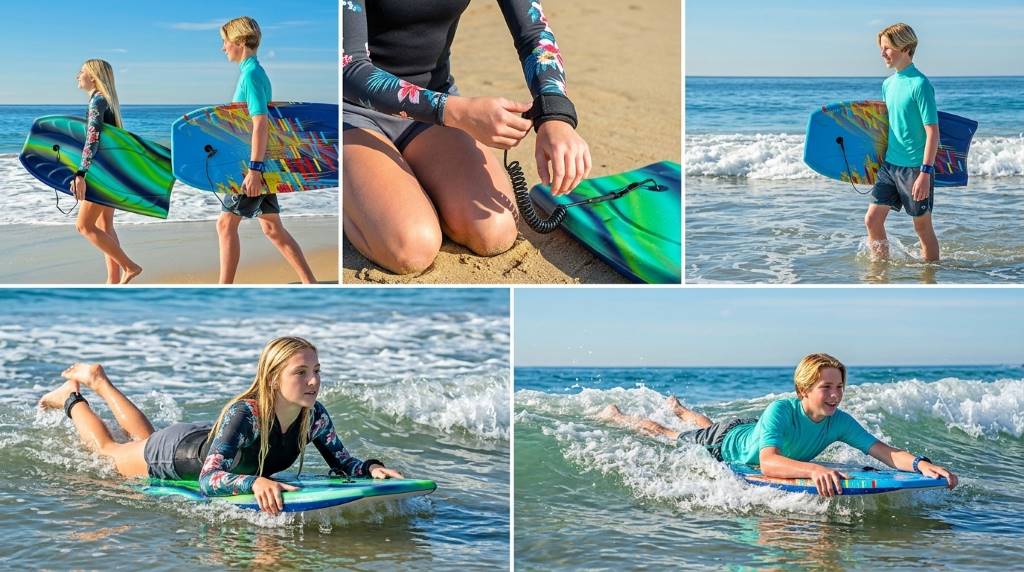
You use a Wavestorm 40-inch bodyboard 2 pack by attaching the wrist leashes to both boards. Next, you wade into waist-deep whitewater surf with a partner and lie centered on the deck. Finally, you push off sandbanks and ride breaking foam rollers smoothly toward the shoreline.
Tandem beach days and family surf outings become significantly safer and more exciting with matched equipment. Specifically, coastal lifeguard reports show that beginner buddy pairs experience 45% fewer aquatic panic incidents. Furthermore, deploying the Wavestorm 40 Inch Bodyboard 2 Pack delivers durable, worry-free fun across diverse shorebreaks.
Key Takeaways
- Fasten the soft neoprene wrist leashes securely before wading into coastal whitewater.
- Pair up with a surf buddy to practice coordinated entries and shorebreak safety.
- Position your torso centered on the textured deck to maintain optimal planing lift.
- Catch crumbling whitewater waves by kicking firmly off sandy bottom bars.
- Rinse both bodyboards with fresh garden hose water and store away from hot cars.
Anatomy and Construction of Wavestorm 40-Inch Bodyboards
Wavestorm bodyboards utilize high-volume foam cores engineered specifically for forgiving recreational wave riding. First, the core features expanded polystyrene foam that provides substantial buoyancy for diverse rider sizes. This high-volume design helps beginners catch small, gentle waves without stalling in flat water. In addition, the buoyant core supports adult riders weighing up to one hundred eighty pounds.
The top deck utilizes patented Water Barrier Skin foam that resists ocean water absorption. Furthermore, textured cross-link deck embossing gives riders solid hand grip without requiring sticky surfboard wax. The bottom hull features a high-density polyethylene slick skin that glides effortlessly over breaking whitewater. Consequently, riders achieve sustained momentum all the way up onto sandy shorelines.
The tail profile features a classic crescent tail that locks comfortably against rider hips. Meanwhile, blunt nose bumpers protect against sandbar impacts when wiping out in shallow water. As a result, both boards in the pack deliver dependable durability through heavy summer use.
Sizing Verification and Leash Installation
Checking that forty-inch bodyboards match your riders ensures safe buoyancy and effortless steering control. First, stand the bodyboard upright on flat ground next to your child or adult partner. The nose bumper should reach within one inch of the rider’s belly button. Therefore, forty-inch boards fit most adolescents, teenagers, and average-height adults perfectly.
Next, install the included coiled urethane wrist leashes into the pre-drilled nose leash plugs. Thread the durable braided nylon cord through the central hole in the top deck plug. Then, pass the padded neoprene wrist strap through the cord loop to cinch it tight. Tug firmly on the leash strap to verify that the tether knot holds under tension.
Wrap the velcro cuff around your non-dominant wrist before walking down to the breaking surf. In fact, wearing your leash prevents loose boards from striking nearby swimmers in chaotic whitewater. Always double-check your partner’s leash connection before venturing past the shallow shorebreak zone.
Step-by-Step Technique: Riding Whitewater and Small Waves
Catching whitewater waves is the easiest, safest way to learn bodyboarding fundamentals together. First, wade out into waist-deep ocean water, keeping both boards pointed directly into incoming waves. Face toward the open ocean and watch for crumbling white foam waves rolling inward. Next, turn around so your back faces the incoming wave and face toward shore.
Lay your body flat along the deck with your hips resting near the crescent tail. Place both hands firmly on the top outer nose corners, keeping elbows bent comfortably. As the whitewater roller approaches within two feet of your tail, push off the sand. In addition, kick your legs vigorously with rapid flutter kicks to match the wave speed.
Feel the breaking foam surge forward and lift the tail of your Wavestorm board. Once caught in the wave, stop kicking and center your chest over the midpoint. Keep your head up, look toward the beach, and enjoy the smooth forward glide. When the board glides onto dry sand, slide your feet down and stand up safely.
Family and Buddy System Beach Protocol
Using a two-pack bodyboard set creates natural opportunities for buddy safety in the surf. Furthermore, establishing clear shoreline boundaries prevents family members from drifting into hazardous rip currents. The safety checklist below outlines key protocols for safe multi-board beach sessions.
| Safety Factor | Recommended Practice | Beach Condition | Primary Benefit |
|---|---|---|---|
| Buddy Proximity | Stay Within 15 Feet | Waist-Deep Whitewater | Instant Assistance if Needed |
| Lifeguard Zone | Between Flags | Public Ocean Beaches | Professional Rescue Supervision |
| Water Depth | Waist-Deep Maximum | Beginner Surf Sessions | Easy Grounding and Recovery |
| Current Check | Identify Fixed Landmark | Tidal Drift Areas | Prevents Unnoticed Drift Away |
Always pick a fixed visual landmark on the beach, such as a prominent lifeguard tower. Periodically glance toward the beach to verify that ocean longshore currents have not pulled you sideways. If you drift away from your landmark, wade back toward your original base camp. Constant communication between buddies keeps beach days fun, relaxing, and accident-free.
Steering, Leaning, and Hydrodynamic Trim
Once you master straight-line rides, practicing basic steering maneuvers adds immense excitement to sessions. First, shifting your chest weight slightly toward the left rail initiates a gentle left turn. Pull upward slightly on the left nose corner while pressing your left hip down. Consequently, the slick bottom directs water flow toward the left, steering the board cleanly.
To turn right, reverse this physical motion by applying pressure onto your right rail. In fact, subtle weight shifts produce dramatic changes in riding direction across breaking waves. Next, practice arching your back slightly to lift your chest off the foam deck. Therefore, reducing forward weight prevents the nose from digging underwater on steep wave faces.
If you feel the wave fading, slide your body forward an inch to maintain speed. Conversely, if approaching shallow sand, shift back toward the tail to stall your board. Practicing these trimming adjustments quickly transforms novice riders into skilled ocean wave riders.
Cleaning, De-Sanding, and Summer Board Care
Proper post-surf maintenance preserves soft-top foam resilience and prevents long-term heat damage. First, hose down both bodyboards thoroughly with fresh tap water immediately after returning home. Wash away salty ocean crust and coarse beach sand trapped around leash plugs. Then, wipe down the slick bottom skins with a clean soft microfiber towel.
Never store foam bodyboards inside closed, unventilated automobile trunks during hot summer days. Trapped interior vehicle heat can easily exceed one hundred thirty degrees Fahrenheit within thirty minutes. Consequently, extreme heat can delaminate foam deck skins and create permanent surface heat blisters. Store your boards flat in a shaded garage or climate-controlled indoor storage room.
Avoid stacking heavy objects or camping coolers directly on top of your bodyboard decks. Continuous heavy weight can warp the natural rocker curve and flatten internal foam cells permanently. Taking good care of your two-pack set ensures endless summers of ocean thrills for everyone.
Frequently Asked Questions
What rider weight is suitable for a 40-inch Wavestorm bodyboard?
A forty-inch board comfortably supports riders weighing up to one hundred eighty pounds.
Do Wavestorm bodyboards require surf wax?
No, the textured Water Barrier Skin deck provides excellent grip without needing surf wax.
Can adults and kids both use this 2-pack?
Yes, forty-inch boards offer ideal versatile sizing for teenagers, adults, and older children.
How do you install the included wrist leashes?
Thread the nylon cord through the nose plug loop and cinch the strap tight.
Can hot cars damage foam bodyboards?
Yes, baking trunk heat can delaminate foam skins and cause irreversible heat bubbling.
Conclusion
Using a Wavestorm 40-inch bodyboard 2 pack is the ultimate recipe for unforgettable family beach adventures. Lightweight buoyant foam cores, textured non-slip decks, and durable slick skins deliver safe, accessible fun for all. Furthermore, practicing the buddy system and avoiding baking trunk heat protects your gear across countless seasons. Grab your Wavestorm two-pack today and enjoy catching rolling ocean waves with your favorite partner!

