
Choosing the right skimboard can dramatically improve your riding experience and progression. According to industry reports, participation in board sports across the USA continues to grow steadily each year. Additionally, many beginner riders purchase boards that do not match their abilities, which often slows skill development. Understanding how to find the best skimboard for your skill level helps you avoid costly mistakes and enjoy faster progress. Before buying, many riders also compare popular best skimboards to understand performance differences.
Whether you ride flatland spots or ocean waves, selecting the proper board requires careful evaluation. Factors such as materials, size, shape, and riding style significantly affect performance. Furthermore, skill progression depends heavily on equipment compatibility. This guide explains everything you need to know before purchasing your next skimboard.
Why Choosing the Right Skimboard Matters
Your skimboard directly influences balance, speed, control, and progression. Riders using unsuitable boards often struggle with basic techniques. Consequently, frustration increases while learning slows down.
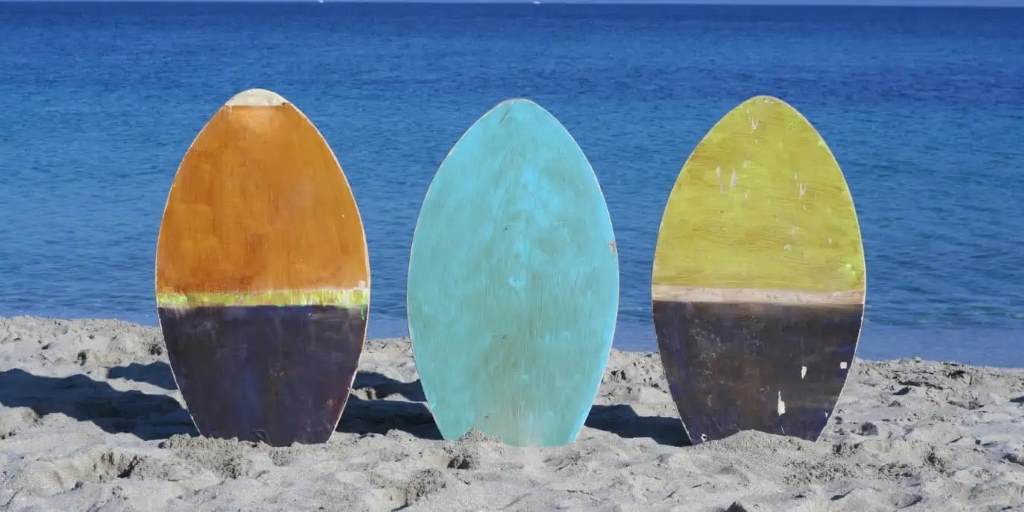
A properly matched skimboard improves confidence and safety. It also helps riders master techniques faster. Therefore, selecting the correct board becomes one of the most important purchasing decisions.
Understand the Different Types of Skimboards
Before selecting a board, you should understand the two primary skimboarding categories. Each style requires different equipment characteristics. Choosing the wrong type can negatively affect performance.
Flatland Skimboards
Flatland skimboarding involves riding across shallow water, wet sand, or muddy terrain. Riders perform tricks, spins, and technical maneuvers. Therefore, these boards prioritize agility and durability.
- Usually made from wood or composite materials
- Smaller and lighter designs
- Ideal for tricks and technical riding
- Generally more affordable
Wave Skimboards
Wave skimboarding focuses on riding waves after skimming across shallow water. These boards resemble miniature surfboards. Consequently, they require greater buoyancy and performance features.
- Typically made from fiberglass or carbon fiber
- Designed for wave catching
- Provide superior flotation
- Suitable for advanced maneuvers
Determine Your Current Skill Level
Accurately assessing your skill level helps narrow your options quickly. Many riders overestimate their abilities and purchase unsuitable equipment. Therefore, honest self evaluation is essential.
Beginner Riders
Beginners should prioritize stability, durability, and ease of use. Learning proper balance and timing takes practice. Consequently, forgiving boards create a better learning experience.
- Focus on wider boards
- Select durable materials
- Avoid highly specialized shapes
- Choose moderate flexibility
Intermediate Riders
Intermediate skimboarders require greater responsiveness and maneuverability. At this stage, riders begin experimenting with advanced techniques. Therefore, board performance becomes increasingly important.
- Look for lighter materials
- Choose refined board shapes
- Consider improved rocker profiles
- Balance stability and performance
Advanced Riders
Advanced riders benefit from highly specialized equipment. Performance characteristics become the primary concern. Consequently, premium materials often provide measurable advantages.
- Carbon fiber construction
- Custom rocker designs
- High performance shapes
- Reduced board weight
Select the Correct Skimboard Size
Board size significantly affects performance and control. Riders should consider both body weight and height. Therefore, sizing charts provide an excellent starting point.
Generally, heavier riders require larger boards for sufficient flotation. Meanwhile, smaller riders benefit from increased maneuverability. Proper sizing improves comfort and performance simultaneously.
| Rider Weight | Recommended Board Length |
|---|---|
| Under 100 lbs | 45 to 48 inches |
| 100 to 140 lbs | 48 to 51 inches |
| 140 to 180 lbs | 51 to 54 inches |
| 180 lbs and above | 54 inches or larger |
Choose the Right Construction Material
The material composition determines durability, weight, and overall performance. Different skill levels benefit from different construction methods. Consequently, understanding materials helps maximize value.
Wood Skimboards
Wood boards remain popular among beginners and flatland riders. They provide durability and affordability. Additionally, they tolerate frequent impacts well.
Fiberglass Skimboards
Fiberglass boards offer improved speed and maneuverability. Many intermediate riders prefer these models. Therefore, they represent an excellent upgrade option.
Carbon Fiber Skimboards
Carbon fiber construction delivers exceptional performance characteristics. These boards remain lightweight and highly responsive. Consequently, advanced riders often choose carbon fiber models.
Understand Rocker Profiles
Rocker refers to the curvature of the skimboard from nose to tail. This feature influences speed, maneuverability, and wave performance. Therefore, rocker selection affects overall riding experience.
Low Rocker
Low rocker boards provide greater speed and stability. They work exceptionally well on flat surfaces. Consequently, beginners often benefit from lower rocker designs.
High Rocker
High rocker boards deliver increased maneuverability and wave performance. Advanced riders frequently prefer this configuration. However, they require greater technical skill.
Evaluate Board Shape and Tail Design
Board shape influences turning ability and riding characteristics. Manufacturers offer several tail designs for different riding styles. Therefore, shape selection deserves careful consideration.
- Pin tails improve speed and control
- Squash tails increase stability
- Fish tails enhance maneuverability
- Hybrid designs offer balanced performance
Beginners should prioritize predictable handling characteristics. Meanwhile, experienced riders can explore specialized shapes. Selecting appropriately improves progression.
Consider Where You Ride Most Often
Local conditions significantly impact skimboard selection. Beaches vary dramatically throughout the USA. Therefore, environmental factors matter greatly.
Flat beaches with long shore breaks require different boards than steep beaches. Similarly, flatland riders need specialized equipment. Matching local conditions improves performance and enjoyment.
Set a Realistic Budget
Skimboard prices vary substantially depending on construction and performance. Budget considerations should align with your skill level and goals. Therefore, avoid overspending unnecessarily.
- Beginner boards: $80 to $200
- Intermediate boards: $200 to $400
- Advanced boards: $400 to $700+
Investing appropriately supports long term progression. However, expensive equipment cannot replace proper technique and practice.
Common Mistakes to Avoid
Many riders make avoidable purchasing mistakes. Understanding these errors saves money and frustration. Consequently, careful planning becomes essential.
- Buying oversized boards
- Ignoring local conditions
- Choosing advanced boards too early
- Overlooking weight recommendations
- Focusing only on appearance
How to Test a Skimboard Before Buying
Whenever possible, test different skimboards before making a purchase. Rental shops and local communities often provide opportunities. Therefore, practical experience offers valuable insights.
Pay attention to balance, acceleration, and maneuverability. Additionally, evaluate comfort and confidence while riding. Personal experience remains the best evaluation method.
Final Thoughts on Finding the Right Skimboard
Finding the ideal skimboard requires evaluating your experience level, riding style, body size, and local conditions. Proper equipment selection improves learning speed, safety, and enjoyment. Furthermore, choosing appropriately prevents expensive purchasing mistakes.
Take time to research, compare options, and test equipment whenever possible. The right skimboard can transform your riding experience and accelerate your progression. Start evaluating your skill level today and choose a board that supports your long term goals.
FAQs
What size skimboard should a beginner buy?
Beginners should choose a board based primarily on their body weight and riding style.
Are fiberglass skimboards better than wood skimboards?
Fiberglass skimboards offer better performance, while wood boards provide greater affordability.
How long does a quality skimboard last?
A well maintained skimboard can last several years with regular use.
Can adults learn skimboarding?
Yes, adults can successfully learn skimboarding with proper equipment and practice.
Should beginners buy carbon fiber skimboards?
No, beginners generally benefit more from affordable and forgiving board designs.

