
Bodysurfing continues to grow across the United States as more ocean enthusiasts seek a pure surfing experience. According to recent participation reports, millions of Americans engage in surfing related activities annually. Learning how to use handplanes correctly can dramatically improve speed, control, and wave performance. Many beginners invest in quality bodysurfing handplanes before mastering essential techniques. However, proper body positioning, wave selection, and handplane control determine long term success. This guide explains professional techniques that help bodysurfers maximize performance and safety.
Understanding Bodysurfing Handplanes
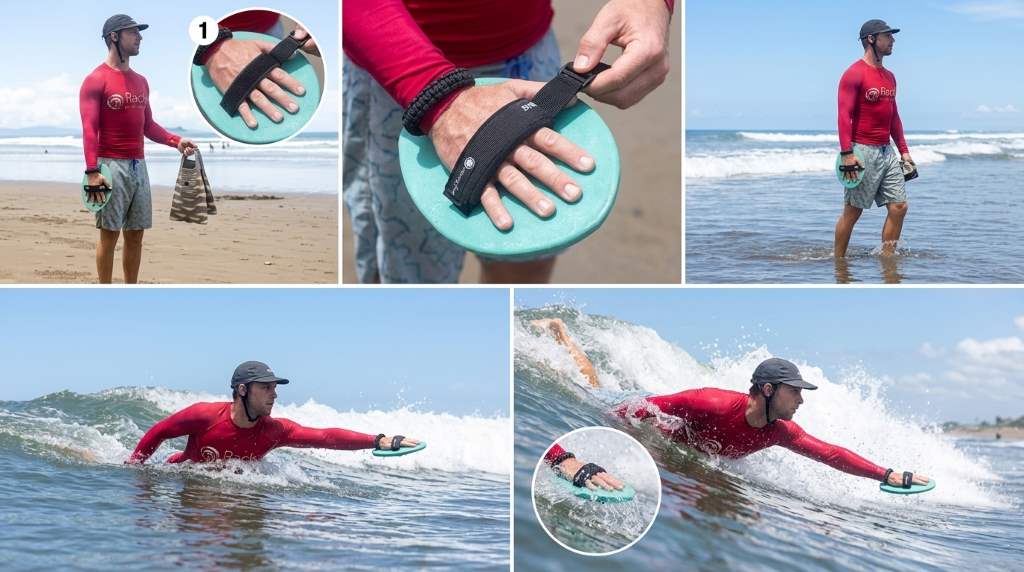
Bodysurfing handplanes are small boards attached to one hand during bodysurfing sessions. They increase lift, improve speed, and provide better directional control. Professional bodysurfers rely heavily on handplanes to enhance wave riding performance.
Most handplanes feature wood, foam, fiberglass, or composite materials. Their size and shape influence maneuverability and wave responsiveness. Therefore, choosing the right style becomes essential for progression.
Why Experienced Bodysurfers Use Handplanes
Handplanes offer several performance advantages compared to traditional bodysurfing. They help riders catch waves earlier and maintain momentum longer. Additionally, they provide greater precision during turns.
- Improved wave entry speed
- Enhanced directional control
- Better body lift
- Reduced drag resistance
- Increased riding confidence
Because of these benefits, handplanes have become standard equipment among advanced bodysurfers throughout the USA.
Choosing the Right Bodysurfing Handplane
Consider Your Skill Level
Beginners should select medium sized handplanes with forgiving designs. Larger surfaces generate more lift and stability. Consequently, learning becomes easier and safer.
Advanced riders often prefer smaller, responsive models. These designs allow quicker maneuvers and sharper control. However, they require better technique.
Select the Proper Material
Wood handplanes remain popular because they offer natural buoyancy and durability. Many experienced riders appreciate their classic feel. Additionally, wooden models often last for years.
Foam and composite handplanes provide lightweight performance advantages. They also reduce fatigue during long sessions. Therefore, competitive riders frequently choose these materials.
Choose the Correct Size
Handplane size significantly impacts performance. Larger handplanes create more lift but reduce maneuverability. Smaller options increase responsiveness but demand stronger swimming skills.
- Small: 8 to 10 inches
- Medium: 10 to 12 inches
- Large: 12 to 14 inches
Proper Handplane Positioning
Correct positioning separates amateur riders from experienced bodysurfers. Your handplane should remain slightly below the water surface during wave entry. This position maximizes lift generation.
Keep your leading arm extended naturally in front of your body. Meanwhile, maintain a relaxed elbow position. Excessive tension reduces efficiency and control.
Your free arm serves as a steering and balancing tool. Therefore, use subtle movements instead of aggressive corrections.
Mastering Wave Selection
Professional bodysurfers prioritize wave selection over physical ability. Not every wave offers ideal riding conditions. Consequently, learning to identify quality waves becomes essential.
Look for clean, unbroken wave faces with consistent shape. Avoid crowded breaks and unpredictable shore breaks. This strategy increases both safety and enjoyment.
Beach breaks typically offer excellent learning environments. Meanwhile, reef breaks require greater experience and local knowledge.
Perfecting Your Swimming Technique
Strong swimming skills directly affect bodysurfing performance. Efficient swimmers reach waves faster and conserve energy. Therefore, swimming technique deserves constant attention.
Use powerful flutter kicks while maintaining streamlined body positioning. Keep your head low and your body horizontal. This posture minimizes drag.
Practice swimming intervals regularly outside surf sessions. Improved conditioning enhances endurance and confidence in challenging conditions.
How to Catch Waves Like a Professional
Position Yourself Correctly
Start by observing wave patterns for several minutes. Position yourself where waves begin breaking consistently. Patience often produces better rides than constant movement.
Begin swimming aggressively once your selected wave approaches. Timing remains more important than raw strength. Therefore, practice wave reading continuously.
Use the Handplane Efficiently
As the wave lifts your body, angle the handplane slightly downward. This technique generates additional lift and acceleration. Small adjustments produce significant results.
Avoid forcing the handplane through the water. Instead, allow the wave’s energy to carry you naturally.
Advanced Turning Techniques
Turning requires coordinated body movements rather than arm strength. Shift your shoulder position toward your intended direction. Simultaneously, adjust hip alignment accordingly.
Experienced riders use subtle pressure changes to carve efficiently. Large movements often create instability. Therefore, precision becomes more valuable than aggression.
Practice gradual turns before attempting sharp directional changes. Consistency builds confidence and muscle memory.
Body Positioning for Maximum Speed
Body positioning significantly affects speed generation. Keep your chest slightly elevated while maintaining streamlined alignment. This position reduces unnecessary water resistance.
Point your toes and engage your core muscles during rides. Small posture adjustments often produce noticeable speed improvements. Consequently, body awareness becomes essential.
Avoid lifting your head excessively during wave rides. Looking forward too aggressively increases drag.
Common Mistakes to Avoid
Many beginners make technical errors that slow progression. Identifying these mistakes accelerates improvement significantly.
- Choosing waves that are too large
- Using oversized handplanes
- Holding excessive body tension
- Ignoring swimming fitness
- Positioning too far outside
- Looking downward constantly
Correcting these habits improves performance quickly. Additionally, safer techniques reduce injury risk.
Essential Safety Tips
Safety remains a top priority for every bodysurfer. Always assess ocean conditions before entering the water. Local knowledge provides valuable insights.
Never bodysurf alone in unfamiliar locations. Furthermore, monitor tides, currents, and weather conditions continuously.
Wear appropriate swim fins and consider protective equipment when necessary. Preparation often prevents emergencies.
Training Outside the Ocean
Professional bodysurfers train outside surf sessions regularly. Strength, flexibility, and cardiovascular fitness directly influence performance. Therefore, dryland training becomes highly beneficial.
Focus on swimming, core exercises, and shoulder mobility work. These activities improve paddling efficiency and body control. Consistent training delivers measurable results.
- Swimming intervals
- Core strengthening exercises
- Mobility training
- Breathing exercises
- Balance drills
Best Conditions for Learning
Smaller waves provide ideal learning opportunities. Waves between two and four feet allow skill development without excessive risk. Consequently, beginners progress faster.
Early morning sessions often offer cleaner wave conditions. Additionally, reduced crowds create safer learning environments.
Pay attention to local forecasts before every session. Preparation significantly improves success rates.
Conclusion
Learning how to use bodysurfing handplanes like a pro requires patience, practice, and proper technique. By mastering wave selection, body positioning, and handplane control, you can dramatically improve your performance. Consistent training and ocean awareness will accelerate your progression. Start applying these professional techniques during your next session and experience the difference firsthand.
FAQs
What size handplane should beginners use?
Beginners should typically choose medium sized handplanes for better stability and control.
Can I use a handplane without swim fins?
Yes, but swim fins significantly improve speed, control, and wave catching ability.
Are wooden handplanes better than foam models?
Wooden handplanes offer durability, while foam models provide lighter weight performance.
How long does it take to learn handplane bodysurfing?
Most beginners develop basic skills within several weeks of regular practice.
What wave size is safest for beginners?
Waves between two and four feet usually provide the safest learning conditions.

