
Surfing is an exhilarating sport that connects you with the ocean’s raw power. However, it can also expose your ears to cold water, wind, and bacteria, leading to painful conditions like surfer’s ear (exostosis) or infections. According to a study published in the Journal of Science and Medicine in Sport, over 70% of surfers develop some form of ear-related issues due to prolonged exposure to cold water and wind.
I remember my first winter surfing in California. The water was freezing, and after a few sessions, my ears felt clogged and painful. That’s when I realized the importance of ear protection. Using the right ear plugs can make a world of difference, allowing you to enjoy longer sessions without discomfort. For those looking for the best options, surf ear protection is a great place to start.
Why Ear Protection Matters for Surfers
Surfers are constantly exposed to environmental factors that can harm their ears. Cold water and wind can cause exostosis, a condition where bony growths develop in the ear canal due to repeated exposure. Additionally, water trapped in the ears can lead to swimmer’s ear, a painful infection caused by bacteria. The American Academy of Otolaryngology reports that surfers are three times more likely to develop ear infections compared to non-surfers.
Ear plugs act as a barrier, preventing cold water and wind from entering the ear canal. They also reduce the risk of infections by keeping water out. However, not all ear plugs are created equal. Choosing the right type—whether custom-molded or generic—can significantly impact your comfort and protection. For example, custom-molded ear plugs provide a snug fit, ensuring maximum protection without compromising your ability to hear.
Moreover, ear plugs can enhance your surfing experience by reducing the discomfort caused by cold water. This allows you to focus on your performance and enjoy the waves without distractions. Investing in quality ear protection is a small price to pay for long-term ear health.
Types of Ear Plugs for Surfers
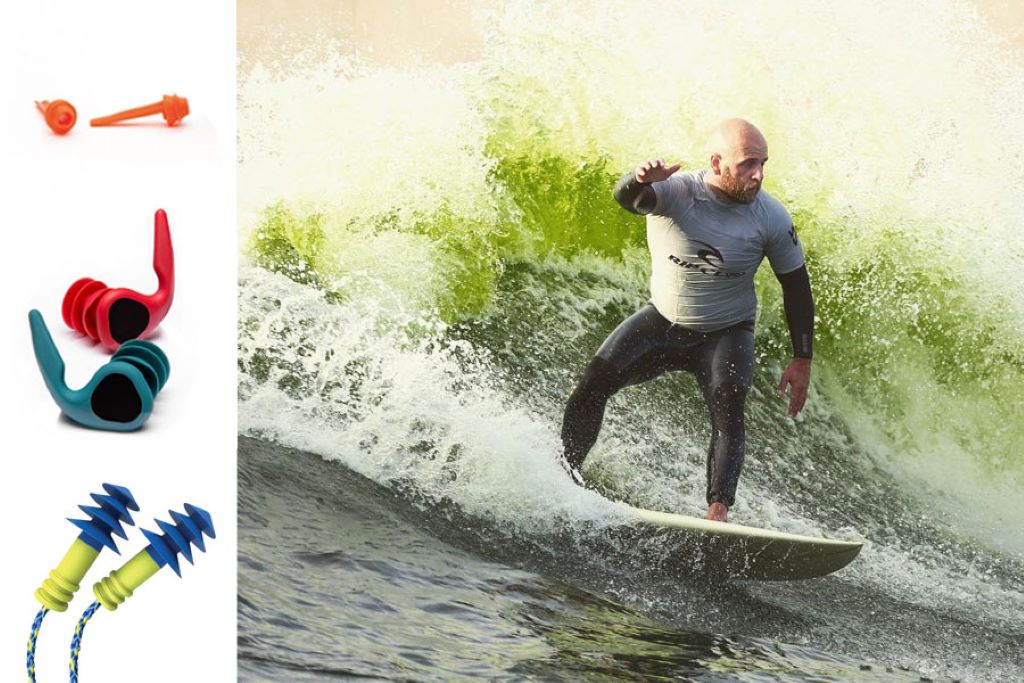
When it comes to ear protection, surfers have several options. The most common types include foam ear plugs, silicone ear plugs, and custom-molded ear plugs. Each type has its pros and cons, depending on your needs and preferences.
Foam ear plugs are affordable and widely available. They are soft and comfortable, making them a popular choice for beginners. However, they may not provide the best seal, allowing some water to seep in. Silicone ear plugs, on the other hand, are more durable and offer a better fit. They are reusable and can be molded to fit your ear shape, providing a tighter seal.
For serious surfers, custom-molded ear plugs are the gold standard. These are made from impressions of your ears, ensuring a perfect fit. They are more expensive but offer the best protection against cold water and wind. Brands like SurfEars and Doc’s Proplugs are trusted names in the surfing community, known for their quality and effectiveness.
How to Choose the Right Ear Plugs
Selecting the right ear plugs depends on several factors, including your budget, comfort, and the conditions you surf in. If you surf in cold water frequently, investing in high-quality, custom-molded ear plugs is a wise decision. They provide the best protection and are designed to last for years.
For occasional surfers or those on a budget, silicone ear plugs are a great alternative. They are affordable, reusable, and offer decent protection. Foam ear plugs are the cheapest option but may need to be replaced more often due to wear and tear.
Comfort is another critical factor. Ear plugs should fit snugly without causing discomfort. If they feel too tight or loose, they won’t provide adequate protection. It’s also important to consider the ease of use. Some ear plugs require a bit of practice to insert correctly, while others are more straightforward.
How to Use Ear Plugs Effectively
Using ear plugs correctly is just as important as choosing the right type. Improper use can lead to discomfort or reduced effectiveness. Start by ensuring your ears are clean and dry before inserting the ear plugs. This helps create a better seal and prevents bacteria from getting trapped inside.
For foam ear plugs, roll them into a tight, thin cylinder before inserting them into your ear canal. Hold them in place for a few seconds to allow them to expand and create a seal. For silicone or custom-molded ear plugs, follow the manufacturer’s instructions for insertion. It’s essential to insert them deeply enough to block water but not so deep that they cause discomfort.
After surfing, remove the ear plugs and clean them with fresh water. This removes any salt, sand, or bacteria that may have accumulated. Store them in a clean, dry case to prolong their lifespan. Regular maintenance ensures your ear plugs remain effective and hygienic.
Common Mistakes to Avoid
Many surfers make mistakes when using ear plugs that can reduce their effectiveness. One common mistake is not inserting them deeply enough. Ear plugs need to create a seal in the ear canal to block water effectively. If they’re not inserted correctly, water can still enter, defeating their purpose.
Another mistake is using dirty or damaged ear plugs. Over time, ear plugs can accumulate bacteria, sand, or earwax, which can lead to infections. Always clean your ear plugs after each use and replace them if they show signs of wear and tear. Additionally, avoid sharing ear plugs with others, as this can spread bacteria and increase the risk of infections.
Some surfers also forget to remove their ear plugs after surfing. Leaving them in for extended periods can cause discomfort and increase the risk of ear infections. Always remove and clean your ear plugs immediately after your session.
The Benefits of Using Ear Plugs Beyond Surfing
Ear plugs aren’t just for surfing—they can be beneficial in other water sports and activities. Swimmers, kayakers, and even sailors can use ear plugs to protect their ears from cold water and wind. They are also useful for individuals who work in noisy environments, such as construction sites or concerts, where hearing protection is essential.
For surfers, ear plugs can also improve focus and performance. By reducing the discomfort caused by cold water, you can stay in the water longer and concentrate on your technique. This can lead to better sessions and a more enjoyable surfing experience.
Additionally, ear plugs can help prevent long-term damage to your ears. Prolonged exposure to cold water and wind can lead to chronic conditions like exostosis, which may require surgery if left untreated. Using ear plugs regularly can significantly reduce this risk and keep your ears healthy for years to come.
Personal Experience: A Surfer’s Journey to Ear Protection
A few years ago, I noticed a persistent pain in my ears after surfing. At first, I ignored it, thinking it was just a temporary issue. However, the pain worsened, and I eventually visited an ear specialist. The diagnosis was surfer’s ear, a condition caused by repeated exposure to cold water and wind. The doctor recommended using ear plugs to prevent further damage.
I started with foam ear plugs, which were better than nothing but didn’t provide the best protection. After some research, I switched to custom-molded ear plugs. The difference was night and day. Not only did my ears feel more comfortable, but I could also surf for longer periods without pain. This experience taught me the importance of investing in quality ear protection and using it consistently.
FAQs
How do ear plugs prevent surfer’s ear?
Ear plugs create a barrier that prevents cold water and wind from entering the ear canal. This reduces the risk of exostosis, a condition where bony growths develop due to repeated exposure to cold water.
Are custom-molded ear plugs worth the investment?
Yes, custom-molded ear plugs provide the best fit and protection. They are designed to match the shape of your ears, ensuring maximum comfort and effectiveness. While they are more expensive, they are a long-term investment in your ear health.
Can I use regular ear plugs for surfing?
Regular ear plugs can provide some protection, but they may not be as effective as those designed specifically for surfing. Surf-specific ear plugs are made to withstand water pressure and provide a better seal.
How often should I replace my ear plugs?
The lifespan of ear plugs depends on the type and usage. Foam ear plugs may need to be replaced every few months, while custom-molded ear plugs can last for years with proper care. Always inspect your ear plugs for signs of wear and replace them if they are damaged or no longer effective.
Do ear plugs affect my ability to hear?
Quality ear plugs designed for surfing are made to block water and wind while allowing you to hear clearly. Custom-molded ear plugs, in particular, are designed to maintain sound quality, so you can still hear conversations and waves while staying protected.
Conclusion
Protecting your ears while surfing is essential for maintaining long-term ear health and enjoying the sport to its fullest. Ear plugs are a simple yet effective solution to prevent conditions like surfer’s ear and infections. By choosing the right type, using them correctly, and avoiding common mistakes, you can ensure your ears stay protected in the water.
Remember, investing in quality ear protection is an investment in your health and surfing experience. Whether you’re a beginner or a seasoned pro, ear plugs can make a significant difference in your comfort and performance. So, next time you hit the waves, don’t forget to gear up with the right ear protection.
Have you tried using ear plugs while surfing? Share your experiences or tips in the comments below! And if you found this article helpful, don’t forget to share it with your fellow surfers.

