
Stand-up paddleboarding (SUP) has grown into one of the most popular water sports worldwide. Over 3.5 million people in the U.S. alone participate in paddleboarding each year. Whether you are a beginner or an experienced paddler, learning to balance and paddle effectively is key to enjoying this activity. Choosing the best stand-up paddleboards can make a big difference in your experience on the water.
This guide will walk you through the basics of balancing and paddling, along with tips to help you get the most out of your time on the water. From calm lakes to wavy oceans, these skills will help you stay steady and move with confidence. Let us dive into the essentials and some unique insights to make your paddleboarding journey smoother.
Understanding the Basics of Stand-Up Paddleboarding
Stand-up paddleboarding involves standing on a board and using a paddle to move through the water. The sport requires a mix of balance, strength, and technique. Before you hit the water, it is important to understand the equipment and the basic mechanics of paddleboarding.
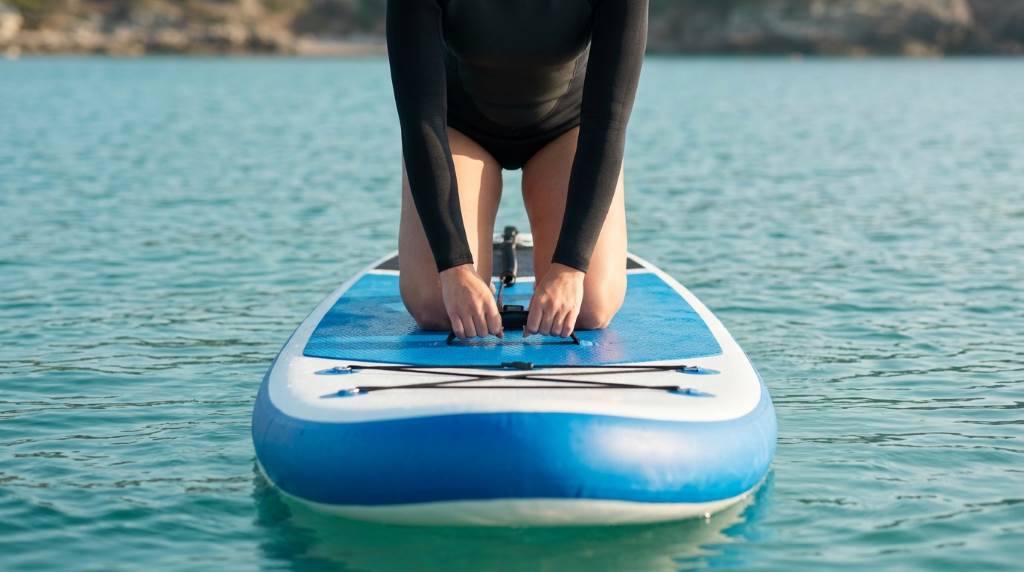
The paddleboard is your foundation, and its size and shape can affect your stability and speed. Wider boards offer more stability, making them ideal for beginners. Narrower boards are faster but require better balance. The paddle, on the other hand, should be about 6 to 10 inches taller than you for the best reach and efficiency.
Choosing the Right Paddleboard for Balance and Paddling
Selecting the right paddleboard is the first step toward a great experience. The best stand-up paddleboards for beginners are usually wider and longer, as they provide more stability. Inflatable paddleboards are also a popular choice because they are easy to transport and store.
For those paddling in Florida, where the water can range from calm to choppy, a versatile all-around board is often the best option. These boards are designed to handle a variety of conditions, making them perfect for both beginners and intermediate paddlers. Additionally, consider the weight capacity of the board to ensure it can support you and any gear you bring along.
Types of Paddleboards
All-around paddleboards are the most common and are great for general use. Touring paddleboards are longer and narrower, designed for longer distances and faster speeds. Surf paddleboards are shorter and more maneuverable, ideal for riding waves. Yoga paddleboards are wider and more stable, perfect for practicing yoga on the water.
Each type of board has its own advantages, so choose one that matches your intended use. For example, if you plan to paddle in flat water, an all-around or touring board would be a good choice. If you want to ride waves, a surf paddleboard would be more suitable.
Mastering Balance on Your Paddleboard
Balancing on a paddleboard can be challenging at first, but with practice, it becomes second nature. Start by kneeling on the board in shallow water to get a feel for its stability. Once you are comfortable, move to a standing position, keeping your feet hip-width apart and centered on the board.
Your stance should be relaxed, with a slight bend in your knees. Avoid standing too rigidly, as this can make it harder to maintain balance. Instead, keep your core engaged and your gaze forward to help maintain stability. If you feel yourself wobbling, try shifting your weight slightly to regain balance.
Tips for Better Balance
One unique tip for improving balance is to practice on land first. Stand on a balance board or even a soft surface like a yoga mat to get used to the feeling of instability. This can help train your muscles and improve your balance before you hit the water.
Another helpful tip is to start in calm, flat water. Wind and waves can make balancing more difficult, so it is best to practice in a controlled environment. As you gain confidence, you can gradually move to more challenging conditions.
Paddling Techniques for Efficiency and Speed
Paddling is what propels you forward on your paddleboard. To paddle effectively, hold the paddle with both hands, keeping them shoulder-width apart. Plant the paddle in the water near the front of the board and pull it back toward your feet, using your core muscles to generate power.
Alternate sides with each stroke to keep the board moving straight. To turn, paddle more on one side than the other. For a sharper turn, you can also use a sweep stroke, where you plant the paddle in the water near the front of the board and sweep it out to the side in a wide arc.
Common Paddling Mistakes to Avoid
One common mistake is using only your arms to paddle. This can lead to fatigue and inefficient strokes. Instead, engage your core and use your entire body to generate power. Another mistake is holding the paddle too tightly, which can cause unnecessary strain on your hands and wrists.
It is also important to keep your paddle vertical in the water. If the paddle is angled too far forward or backward, it can reduce the efficiency of your stroke. Aim to keep the paddle as vertical as possible for the best results.
Paddleboarding in Different Conditions
Paddleboarding in different water conditions requires different techniques. In calm water, you can focus on maintaining a steady pace and good form. In choppy water, you may need to adjust your stance and paddling technique to maintain balance and control.
For those paddling in Florida, where the weather can change quickly, it is important to be prepared for a variety of conditions. Always check the weather forecast before heading out, and be aware of any potential hazards, such as strong currents or sudden storms.
Paddleboarding in Wind and Waves
Wind can make paddleboarding more challenging, especially for beginners. If you are paddling into the wind, you may need to use shorter, more powerful strokes to make progress. If the wind is at your back, you can use longer, smoother strokes to take advantage of the tailwind.
Waves can also add an extra challenge to paddleboarding. To paddle through waves, it is important to maintain a stable stance and use quick, powerful strokes to keep the board moving forward. If you are caught in a wave, try to stay centered on the board and use your paddle to help maintain balance.
Safety Tips for Paddleboarding
Safety should always be a top priority when paddleboarding. Always wear a personal flotation device (PFD) and use a leash to stay connected to your board. This is especially important in open water, where conditions can change quickly.
It is also a good idea to paddle with a buddy, especially if you are new to the sport. Let someone know where you are going and when you plan to return. Additionally, be aware of your surroundings and any potential hazards, such as boats, rocks, or strong currents.
What to Do in an Emergency
If you find yourself in an emergency situation, such as falling off your board or encountering strong currents, stay calm and focus on getting back on your board. Use your paddle to help stabilize yourself and climb back onto the board from the center.
If you are unable to get back on your board, stay with it and use it as a flotation device. Signal for help if needed, and try to stay as visible as possible to other water users.
Unique Tips for Paddleboarding in Tropical Climates
Paddleboarding in tropical climates, like those found in Florida, offers a unique set of challenges and opportunities. The warm water and sunny weather make for a pleasant experience, but it is important to take precautions to stay safe and comfortable.
One unique tip is to paddle early in the morning or late in the afternoon to avoid the heat of the day. This can also help you avoid crowds and enjoy a more peaceful experience on the water. Additionally, be sure to wear sunscreen and a hat to protect yourself from the sun.
Dealing with Marine Life
In tropical climates, you may encounter a variety of marine life while paddleboarding. While most encounters are harmless, it is important to be aware of your surroundings and take precautions to avoid any potential hazards.
If you encounter a jellyfish or other stinging creature, try to avoid touching it and move away slowly. If you are stung, rinse the area with vinegar or saltwater and seek medical attention if needed. Additionally, be aware of any local wildlife, such as manatees or dolphins, and give them plenty of space.
Maintaining Your Paddleboard
Proper maintenance can help extend the life of your paddleboard and ensure it performs at its best. After each use, rinse your board with fresh water to remove any salt or debris. Store your board in a cool, dry place, away from direct sunlight and extreme temperatures.
For inflatable paddleboards, be sure to deflate and dry the board thoroughly before storing it. Check for any signs of wear or damage, and repair any issues as soon as possible to prevent further damage.
Cleaning and Storing Your Paddleboard
Cleaning your paddleboard regularly can help keep it looking and performing its best. Use a mild soap and water to clean the board, and avoid using harsh chemicals or abrasive materials that could damage the surface.
When storing your paddleboard, use a board bag or cover to protect it from dust and debris. If storing the board vertically, be sure to support it at multiple points to prevent warping or damage.
Conclusion
Balancing and paddling the best stand-up paddleboards is a rewarding experience that offers a full-body workout and a chance to connect with nature. By choosing the right board, mastering your balance, and using proper paddling techniques, you can enjoy this sport in a variety of conditions.
Remember to always prioritize safety and be aware of your surroundings. With practice and patience, you will soon be paddling with confidence and ease. So grab your board, hit the water, and start exploring the wonderful world of stand-up paddleboarding today.
FAQ
What is the best paddleboard for beginners?
A wider, longer all-around paddleboard is ideal for beginners as it offers more stability and ease of use.
How do I maintain balance on a paddleboard?
Keep your feet hip-width apart, engage your core, and maintain a slight bend in your knees to stay balanced.
What should I wear while paddleboarding?
Wear comfortable, quick-drying clothing and always use a personal flotation device for safety.
How do I turn my paddleboard?
Paddle more on one side than the other or use a sweep stroke to turn your paddleboard.
Is paddleboarding a good workout?
Yes, paddleboarding provides a full-body workout, engaging your core, arms, and legs.

