
Choosing the right surfboard leash can make the difference between a smooth session and a risky one. Many surfers overlook this small piece of gear, yet it plays a major role in both safety and performance. According to coastal safety reports, a large percentage of surf related injuries happen due to lost boards or collisions. Meanwhile, studies from ocean sports organizations show that proper gear selection reduces accident risks significantly.
A perfect surfboard leash keeps your board close, protects others in the water, and improves your confidence while riding waves. In this guide, you will learn how to choose the perfect leash based on your skill level, wave conditions, and board type.
Why a Surfboard Leash Matters
A leash is not just an accessory. It is essential safety equipment. Without it, your board can become a dangerous projectile in the water.
Key Benefits
- Keeps your board within reach after a wipeout
- Reduces risk of injury to other surfers
- Saves energy by avoiding long swims
- Improves confidence in bigger waves
Additionally, beginners rely on leashes to stay connected to their boards. Advanced surfers also depend on them in crowded breaks.
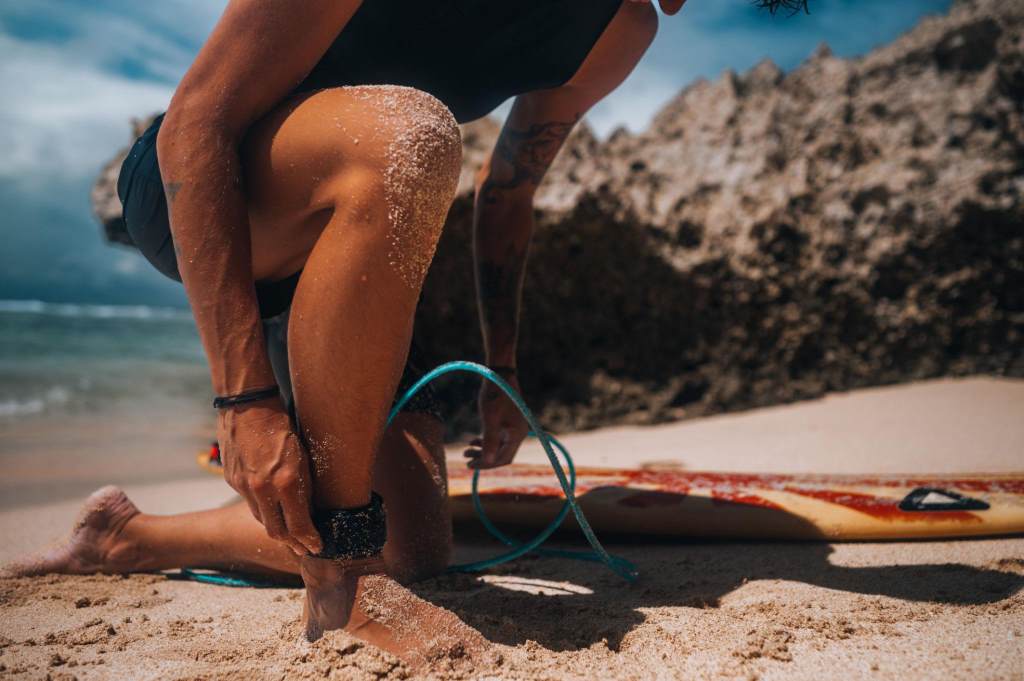
Types of Surfboard Leashes
Not all leashes are the same. Each type serves a different purpose depending on conditions and surfing style.
1. Straight Leash
This is the most common option. It stretches directly between your ankle and board.
Best for:
- Shortboards
- Everyday surfing
- Moderate waves
2. Coiled Leash
This leash curls like a spring. It reduces drag and stays out of the water.
Best for:
- Stand up paddle boards
- Flat water surfing
- Small waves
3. Big Wave Leash
These are thicker and stronger. They handle powerful waves and heavy force.
Best for:
- Advanced surfers
- Big wave conditions
- Reef breaks
How to Choose the Right Leash Length
Leash length directly affects safety and control. A wrong size can lead to poor performance or accidents.
General Rule
Your leash should match the length of your surfboard.
Examples
- 6 foot board needs a 6 foot leash
- 8 foot board needs an 8 foot leash
However, slightly longer leashes work better in bigger waves. They create more distance between you and the board during wipeouts.
Why Length Matters
- Short leash increases control but raises injury risk
- Long leash improves safety but may add drag
Understanding Leash Thickness
Thickness determines strength and drag. Choosing the right balance is key.
Common Thickness Options
- Thin leashes for small waves and high performance
- Medium leashes for all around use
- Thick leashes for heavy waves
Practical Insight
Thin leashes reduce resistance in the water. This improves speed and maneuverability. On the other hand, thicker leashes provide durability and safety in powerful surf.
Choosing the Right Cuff Type
The cuff connects the leash to your ankle or calf. Comfort and fit matter a lot here.
Ankle Cuff
- Most common choice
- Offers better control
- Ideal for shortboards
Calf Cuff
- Used in longboarding
- Reduces tangling
- Allows easier foot movement
What to Look For
- Soft padding to prevent irritation
- Strong Velcro for secure fit
- Easy release system for emergencies
Wave Conditions and Leash Selection
Wave size and power influence your leash choice more than you might think.
Small Waves
- Use thinner leashes
- Choose shorter lengths
- Focus on flexibility
Medium Waves
- Medium thickness works best
- Standard length is ideal
- Balance between strength and drag
Big Waves
- Go for thicker leashes
- Slightly longer length
- Strong materials are essential
Materials and Build Quality
Modern leashes use advanced materials to improve durability and flexibility.
Key Components
- Urethane cord for stretch and strength
- Stainless steel swivels to prevent tangling
- Reinforced railsaver to protect the board
What Makes a High Quality Leash
- Smooth stretch without snapping
- Strong joints and connectors
- Corrosion resistant hardware
Common Mistakes to Avoid
Many surfers make simple mistakes when choosing a leash. Avoiding them can improve both safety and performance.
Frequent Errors
- Choosing a leash shorter than the board
- Ignoring wave conditions
- Buying based only on appearance
- Using worn out or damaged leashes
Real Example
A beginner using a thin leash in strong waves may face snapping issues. This can lead to dangerous situations and lost boards.
Maintenance Tips for Longer Lifespan
Proper care keeps your leash reliable and safe.
Easy Maintenance Steps
- Rinse with fresh water after every session
- Keep it out of direct sunlight when not in use
- Check for cracks or weak spots regularly
- Replace it if you notice damage
Regular maintenance ensures consistent performance and reduces unexpected failures.
Matching Leash with Surfboard Type
Different boards require different leash setups.
Shortboards
- Use ankle cuffs
- Match exact length
- Choose thinner cords
Longboards
- Use calf cuffs
- Slightly longer leash
- Medium thickness works well
Funboards and Fish Boards
- Standard ankle leash
- Balanced thickness
- Moderate length
Expert Tips for Better Performance
Small adjustments can improve your surfing experience.
Pro Advice
- Always test your leash before entering the water
- Keep a backup leash for emergencies
- Choose trusted brands with proven durability
- Adjust cuff tightness for comfort and safety
Additionally, experienced surfers often switch leashes based on wave conditions. This helps maintain optimal performance.
Conclusion
Selecting the perfect surfboard leash is about balance. You need the right mix of length, thickness, and comfort to match your board and wave conditions. A good leash improves safety, saves energy, and enhances your overall surfing experience.
Take time to understand your needs. Check your gear regularly and make informed choices. The right leash will support your progress and keep every session enjoyable.
FAQs
What size leash should I use for my surfboard
You should choose a leash that matches the length of your board. This ensures proper safety and control.
Can a leash break during surfing
Yes, especially in strong waves or if it is worn out. Regular checks help prevent this issue.
Is a thicker leash always better
Not always. Thicker leashes add strength but increase drag. Choose based on wave conditions.
Should beginners use a specific type of leash
Beginners should use standard ankle leashes with medium thickness for better safety and ease.
How often should I replace my surfboard leash
Replace it when you notice cracks, reduced stretch, or damaged connectors. Regular use usually requires periodic replacement.

