
Surf culture along the New Jersey coastline continues to grow, especially in spots like Asbury Park and Long Beach Island. According to the National Oceanic and Atmospheric Administration, coastal recreation participation has steadily increased over the past decade, with millions engaging in water-based activities annually. That rise brings a practical challenge many surfers overlook until they face it firsthand: changing, drying, and staying warm in unpredictable coastal weather.
A reliable surf poncho solves that problem without fuss. It offers privacy, warmth, and quick drying in one piece of gear. Whether you surf early mornings in brisk Atlantic winds or wrap up after sunset sessions, choosing the right poncho makes a noticeable difference in comfort and routine.
A Quick Overview of The Best Affordable Surf Poncho in New Jersey
These options balance usability, comfort, and practical performance for real coastal conditions.
- SUN CUBE Surf Poncho Changing Robe Adult Model
- Oksun Waterproof Surf Poncho Changing Robe
- Mexican Blanket Classic Poncho Gray
- SUN CUBE Surf Poncho Changing Robe Children Model
- Arcturus Military Wool Blanket
- Eunzel Surf Poncho Changing Robe
- Hiturbo Microfiber Wetsuit Changing Poncho
- OneTigris Thinsulate Insulation Blanket
Best Affordable Surf Poncho of 2026
Cold breezes, wet sand, and limited changing space define New Jersey surf sessions. These picks reflect what actually works on the ground.
SUN CUBE Surf Poncho Changing Robe Adult Model
Microfiber all round changing solution
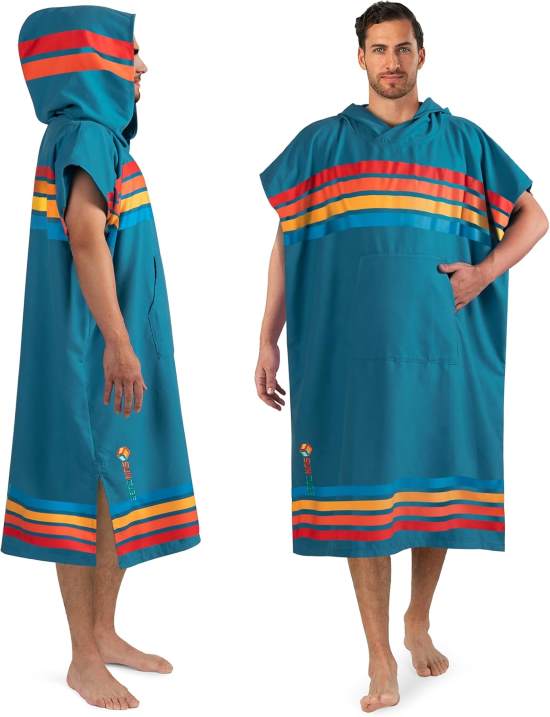
This poncho feels immediately practical the moment you step out of the water. The microfiber fabric absorbs water quickly without feeling heavy, which matters when the wind picks up along the Jersey Shore. The fit runs comfortably oversized, giving enough room to change without awkward movement.
It suits regular surfers who want something simple and dependable. The hood provides decent coverage, though it works better in mild wind than strong gusts. After repeated use, it dries quickly when hung, which helps avoid that damp smell common with thicker towels.
It performs best for casual sessions and weekend surf trips. However, in colder months, layering underneath becomes necessary.
User Review – Mark R., New Jersey
“I use this after early morning sessions in Belmar. It dries me fast and makes changing easy. Not the warmest, but reliable every time.”
Key Features
High absorbency microfiber Quickly pulls moisture off skin, though it may feel thinner in colder air
Oversized fit design Allows easy changing but can feel bulky when walking
Lightweight construction Easy to carry but less insulating
Integrated hood Adds head warmth though not windproof
Quick drying fabric Reduces odor buildup over time
Side openings Improves movement but exposes slight drafts
Pros and Cons
| Pros | Cons |
| Dries quickly after use | Limited warmth in winter |
| Easy to pack and carry | Thin fabric feel |
| Comfortable changing space | Not wind resistant |
Oksun Waterproof Surf Poncho Changing Robe
Windproof and weather ready design
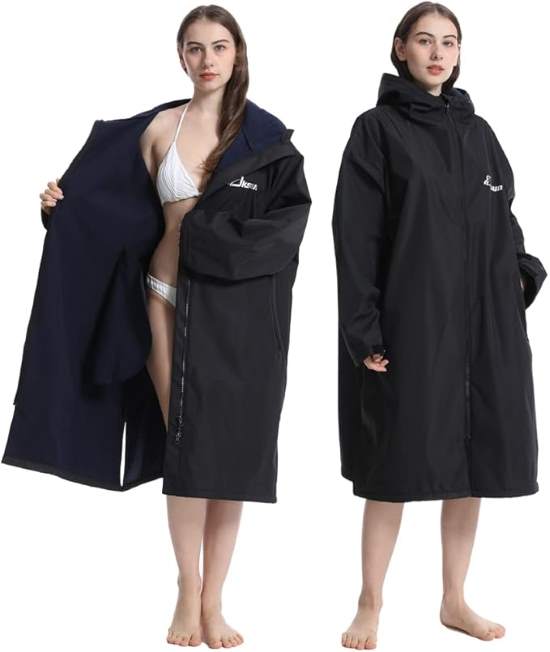
This poncho stands out in harsher New Jersey conditions. The waterproof outer layer blocks wind effectively, making it noticeably warmer after cold water sessions. Inside, the lining feels soft but slightly heavier than standard microfiber.
It works well for surfers who stay out longer or surf during shoulder seasons. The bulk adds warmth but reduces portability. Drying takes longer compared to lighter options, especially indoors.
In real use, it excels on windy beaches where typical ponchos fail. However, it may feel too warm during summer.
User Review – Lisa M., New Jersey
“Fall surfing gets cold here, and this one actually keeps the wind out. It’s heavier, but I don’t mind that trade off.”
Key Features
Waterproof outer shell Blocks wind and spray but slows drying time
Thick inner lining Retains warmth though adds weight
Oversized hood coverage Protects head in strong wind
Extended length design Covers more body area but may drag on sand
Durable stitching Handles frequent use well
Multi season usability Works in colder months but less ideal in heat
Pros and Cons
| Pros | Cons |
| Excellent wind protection | Heavier than standard ponchos |
| Warmer after cold sessions | Slower drying indoors |
| Durable outer material | Too warm in summer |
Mexican Blanket Classic Poncho Gray
Traditional style casual layer
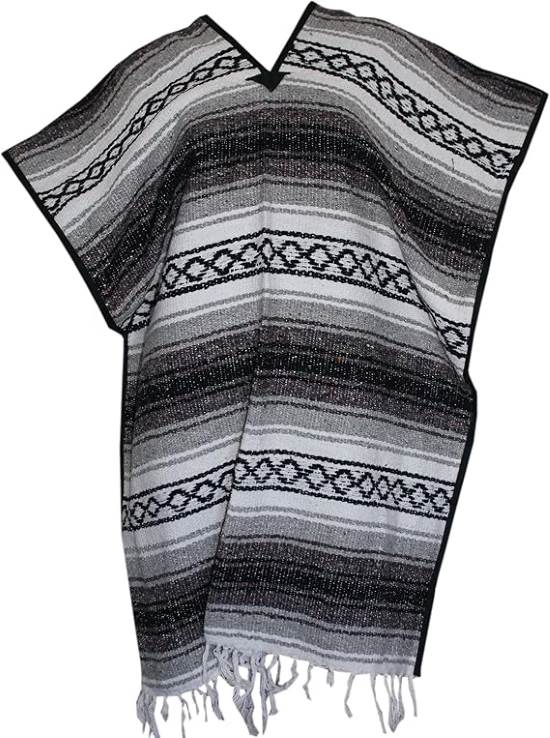
This option leans more toward style and casual comfort than technical surf use. The woven material feels breathable and relaxed, making it ideal for beach lounging rather than post surf drying.
It suits casual users who want something versatile. While it offers warmth, it lacks true absorbency. After a surf session, it works better as a secondary layer over a towel rather than a direct drying tool.
Maintenance is straightforward, though sand can get trapped in the weave.
User Review – Daniel K., New Jersey
“I use it after I dry off. It’s comfortable and looks good, but I wouldn’t rely on it straight out of the water.”
Key Features
Breathable woven fabric Comfortable but not water absorbent
Loose fit design Easy to wear but lacks structure
Classic Baja style Good for casual use
Light insulation Works in mild temperatures
Durable weave Holds up over time
Multi purpose use Not limited to surfing
Pros and Cons
| Pros | Cons |
| Comfortable relaxed fit | Not absorbent material |
| Stylish casual look | Limited surf functionality |
| Lightweight and breathable | Traps sand easily |
SUN CUBE Surf Poncho Changing Robe Children Model
Kid friendly absorbent poncho
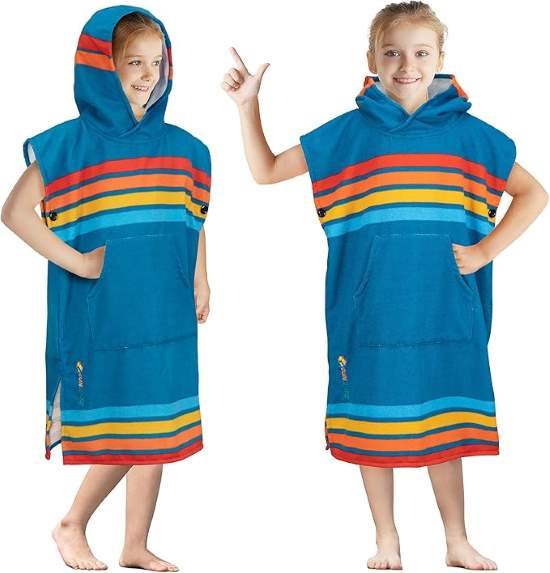
This version mirrors the adult model but adapts well for smaller sizes. The microfiber remains soft and lightweight, making it easy for kids to move around after surf lessons or beach play.
It suits young surfers or families who need something practical. The fit allows enough room without overwhelming smaller frames. It dries quickly, which helps with repeated use during a single day at the beach.
In colder conditions, it may not provide enough insulation on its own.
User Review – Sarah L., New Jersey
“My son uses this after surf camp. It’s easy for him to change in, and it dries fast between sessions.”
Key Features
Soft microfiber material Gentle on skin but thin for cold weather
Kid sized fit Comfortable without excess bulk
Quick drying capability Ready for reuse quickly
Simple hood design Provides basic warmth
Lightweight build Easy for kids to carry
Durable stitching Handles frequent washing
Pros and Cons
| Pros | Cons |
| Comfortable for kids use | Not very warm |
| Quick drying fabric | Limited wind protection |
| Easy to handle size | Basic feature set |
Arcturus Military Wool Blanket
Rugged warmth focused option
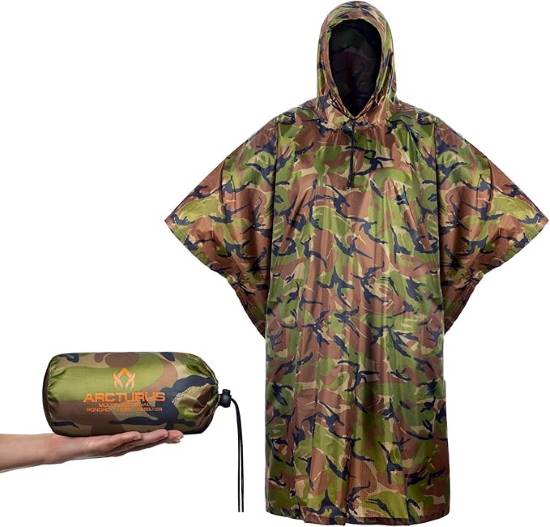
This blanket works differently from a standard poncho but still fits into surf routines. The wool blend offers strong insulation, especially in cold, damp conditions common along New Jersey’s coast.
It suits surfers who prioritize warmth after sessions rather than changing convenience. It holds heat well, even when slightly damp, but lacks built in structure for privacy.
Drying requires more care, and it feels heavier compared to microfiber options.
User Review – Kevin D., New Jersey
“I keep this in my truck. After winter sessions, nothing beats the warmth, even if it’s not a poncho.”
Key Features
Wool blend insulation Retains heat even when damp
Heavy duty construction Built for rugged use
Large coverage area Wraps fully around body
Weather resistant fibers Handles outdoor exposure well
Multi use design Works beyond surfing
Dense material feel Less breathable in mild weather
Pros and Cons
| Pros | Cons |
| Excellent warmth retention | Not a true poncho |
| Durable outdoor material | Heavy and bulky |
| Works in harsh weather | Slow drying time |
Eunzel Surf Poncho Changing Robe
Balanced everyday surf poncho
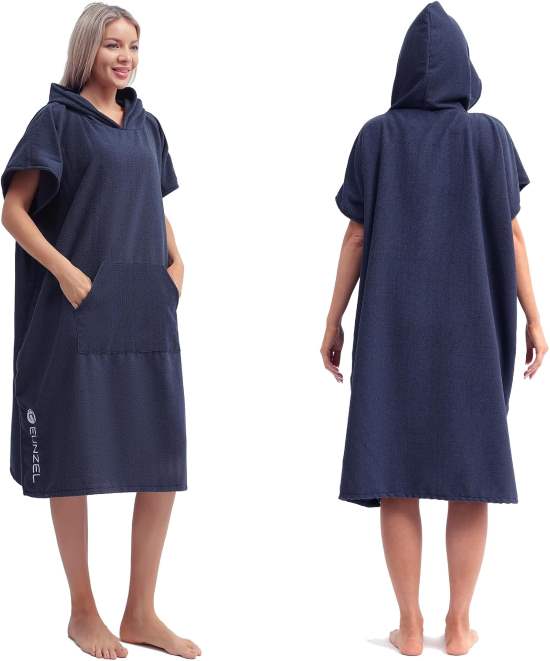
This poncho strikes a middle ground between absorbency and comfort. The microfiber feels slightly thicker than basic models, offering better warmth without becoming too heavy.
It suits frequent surfers who want consistency. It dries efficiently while still providing enough insulation for cooler mornings. The fit allows easy changing, though the hood coverage feels average.
Maintenance remains simple, making it a reliable daily option.
User Review – Ryan T., New Jersey
“I use this almost every weekend. It’s not extreme in any way, just consistently good.”
Key Features
Medium weight microfiber Balances warmth and drying
Comfortable oversized fit Easy to change discreetly
Decent hood coverage Functional but not windproof
Quick drying performance Reduces moisture retention
Durable fabric quality Holds shape after washing
Versatile usage Works across seasons
Pros and Cons
| Pros | Cons |
| Balanced warmth and drying | Hood lacks full coverage |
| Comfortable daily use | Not wind resistant |
| Reliable long term option | Moderate thickness only |
Hiturbo Microfiber Wetsuit Changing Poncho
Lightweight budget friendly option
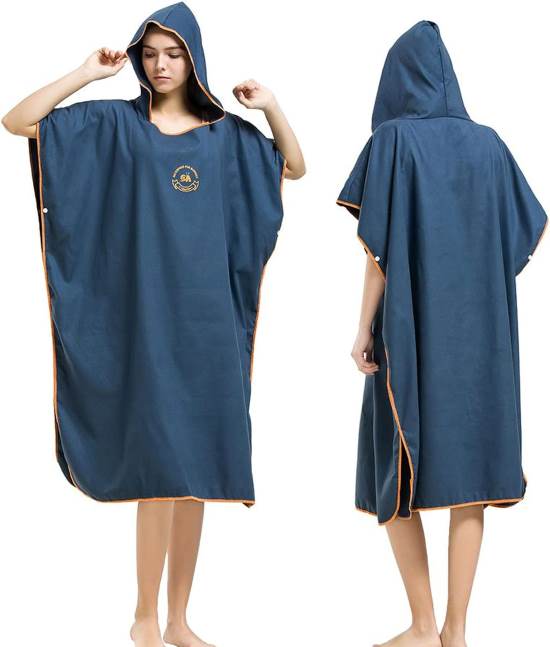
This poncho focuses on simplicity. The microfiber feels thinner than premium options but still handles drying well after short sessions.
It suits beginners or occasional surfers. The lightweight design makes it easy to carry, especially for day trips. However, the reduced thickness limits warmth during windy conditions.
It performs best in warmer months or short surf outings.
User Review – Alex P., New Jersey
“I bought this for summer surfing. It’s light and does the job, but I wouldn’t use it in colder weather.”
Key Features
Thin microfiber material Dries quickly but offers less warmth
Compact design Easy to pack and store
Simple oversized fit Allows basic changing
Quick drying fabric Prevents lingering dampness
Affordable construction feel Less durable over time
Basic hood coverage Minimal wind protection
Pros and Cons
| Pros | Cons |
| Lightweight and portable | Limited insulation |
| Dries quickly after use | Less durable material |
| Good for beginners use | Not for cold weather |
OneTigris Thinsulate Insulation Blanket
Insulated outdoor wrap alternative
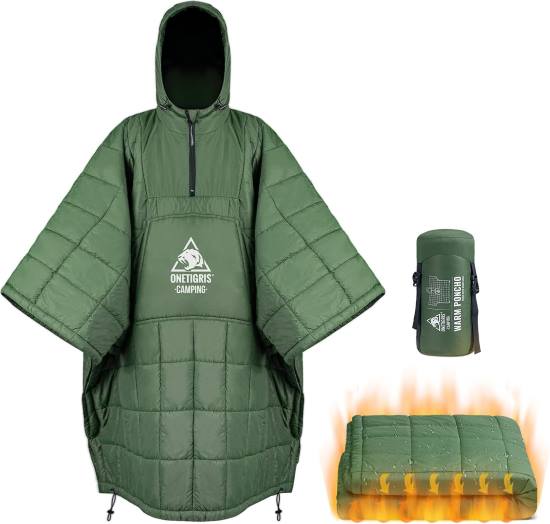
This blanket works best as a post surf warmth layer rather than a changing poncho. The insulated design traps heat efficiently, making it useful after cold sessions.
It suits surfers who prioritize warmth during recovery. It packs down well compared to wool but still lacks the convenience of a wearable poncho.
It performs well in winter but offers limited flexibility for changing.
User Review – Brian S., New Jersey
“I use this after surfing in colder months. It keeps me warm fast, but I still need something else to change.”
Key Features
Thinsulate insulation layer Retains body heat efficiently
Water resistant exterior Handles light moisture
Compact packability Easier to transport than wool
Lightweight insulation design Warmer than expected
Durable outer shell Suitable for outdoor use
Non poncho structure Requires separate changing solution
Pros and Cons
| Pros | Cons |
| Strong insulation performance | Not wearable poncho |
| Packs relatively compact | Limited mobility use |
| Good for cold recovery | Not for changing |
Affordable Surf Poncho in New Jersey Buying Guide
What Actually Matters Before Choosing Affordable Surf Poncho in New Jersey
Core performance factors
Absorbency and wind resistance define real world usability. Many buyers assume all ponchos dry equally well, but microfiber thickness and weave density change how quickly moisture leaves your skin. Wind resistance matters just as much. Along the New Jersey coast, even mild wind can cancel out warmth.
Material quality and durability
Microfiber, wool, and waterproof shells behave differently over time. Lower quality microfiber loses absorbency after repeated washes. Wool retains warmth but demands careful care. Buyers often overlook stitching quality, which directly affects long term durability.
Comfort and usability
Fit matters more than expected. A poncho that feels too tight makes changing awkward, while one that is too loose can catch wind. Hood design also affects usability. Many assume all hoods provide warmth, but only structured ones block wind effectively.
Maintenance demands
Quick drying fabrics reduce odor and maintenance effort. Heavier materials require longer drying times and more storage space. Buyers often underestimate how frequently they will need to wash and dry their poncho.
Environmental compatibility
New Jersey conditions vary widely. Summer requires breathability, while fall and winter demand insulation. A single poncho rarely handles both extremes perfectly.
Safety considerations
Changing in public requires coverage and stability. Poorly designed ponchos can shift or expose more than intended, especially in windy environments.
Related:
How to Choose a Surf Poncho for Tropical vs Cold Climates
Top 7 Surf Poncho Picks for 2026: Don’t Buy Until You See All
Common Buyer Mistakes
Many buyers assume thicker always means better. In reality, thicker ponchos trap warmth but take longer to dry and feel heavier during use.
Some prioritize style over function. Traditional woven ponchos look appealing but fail to absorb water effectively after surf sessions.
Others ignore wind resistance. This becomes a problem quickly along open beaches where wind chill reduces body temperature fast.
A common mistake involves sizing. Buyers often choose smaller fits for convenience, which defeats the purpose of easy changing.
Many overlook drying time. A poncho that stays damp between sessions quickly becomes unpleasant to use.
Another issue is expecting one product to handle all seasons. Conditions change too much for a single universal solution.
Some buyers skip maintenance considerations. Materials like wool or thick insulation require more effort than microfiber.
How to Match Products to Specific Needs
Casual surfers
Lightweight microfiber ponchos work best. They handle basic drying and are easy to carry without adding bulk.
Frequent surfers
Balanced options with moderate thickness offer the best mix of warmth and drying performance. These handle repeated use without constant maintenance issues.
Cold weather users
Waterproof or insulated designs become necessary. Wind protection matters more than absorbency in these conditions.
Portability focused users
Compact and lightweight ponchos make transport easier, especially for day trips or limited storage space.
Budget conscious users
Simple microfiber designs provide reliable performance without long term maintenance demands.
Advanced users
Layered solutions often work best. A standard poncho for changing combined with a thermal blanket for warmth creates flexibility across seasons.
Conclusion
A surf poncho is not just a convenience item. It shapes how you recover, change, and stay comfortable after every session. Along the New Jersey coast, where weather shifts quickly, choosing the right type matters more than picking the most popular option.
Some models focus on drying, others on warmth, and a few try to balance both. The best choice depends on how often you surf, when you go, and how much protection you need after stepping out of the water.
Focus on real use, not features on paper. That approach leads to better long term satisfaction.
FAQs
What is the best material for surf ponchos
Microfiber offers the best balance of absorbency and ease of use.
Are waterproof ponchos better for cold weather
Yes, they block wind and retain warmth more effectively.
Can I use a blanket instead of a poncho
Yes, but it will not provide easy changing functionality.
How often should I wash a surf poncho
After several uses or when it starts to retain odor.
Do surf ponchos work in winter
Yes, but thicker or insulated options perform better.

