
Surfing is not just a hobby; it’s a lifestyle that brings the thrill of riding waves and the serenity of ocean spirit. Whether you’re a seasoned pro or a curious beginner, having the right gear is essential for enhancing your surf experience. Imagine paddling out into the cerulean blue, with equipment tailored just for you.
What should every surfer consider when gearing up? Here’s a quick overview of the key essentials:
- Surfboards: The foundation of surfing, from shortboards to longboards.
- Wetsuits: Protecting against cold water for that enduring comfort.
- Leashes and fins: Keeping you connected to your board.
- Sun protection: Safeguarding your skin from harsh UV rays.
This guide will explore each of these components, ensuring a more enjoyable session on the waves.
Surfboards

Shortboards
When it comes to shortboards, they are the go-to choice for performance and agility. These boards are typically under 7 feet long, designed for rapid turns and high speeds. I remember my first time using a shortboard; it felt like I could dance on the waves, carving with precision.
Key features of shortboards include:
- Narrower Nose: Promotes sharper turns.
- Thin Rails: Enhances responsiveness.
- Ideal for Advanced Surfers: Great for those looking to tackle challenging waves.
Longboards
On the flip side, longboards offer a completely different surfing experience. Usually measuring over 9 feet, they provide stability and ease, making them perfect for beginners or those looking to cruise leisurely. Picture a sunny day, riding a longboard and enjoying a smooth glide across the surface; it’s a serene experience!
Benefits of longboards include:
- Increased Stability: Easier for balancing and paddling.
- Versatility: Suitable for small to mid-sized waves.
- Nostalgic Style: Evokes the classic surfing vibe.
Both types of boards have their charm, catering to different skills and preferences on the waves.
Wetsuits
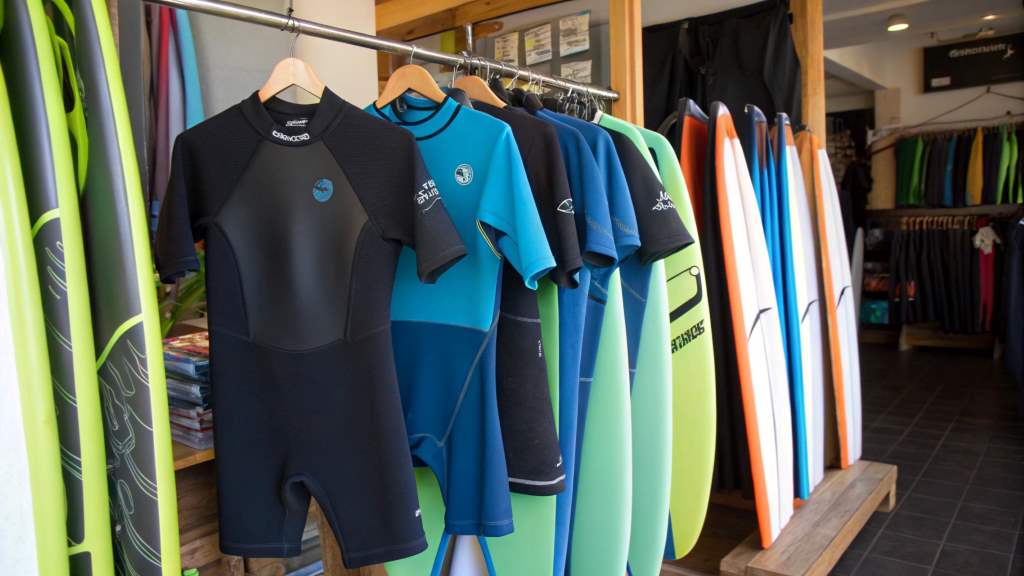
Fullsuits
Wetsuits play a crucial role in ensuring comfort while surfing in colder waters. Fullsuits, which cover the entire body, are a popular choice for those braving chilly ocean temperatures. I vividly recall donning my first fullsuit before a winter surf session; it felt like a warm hug that allowed me to focus on catching waves rather than shivering in the cold.
Key features of fullsuits include:
- Thickness: Typically 3mm to 5mm for insulation.
- Sealed Seams: Prevent water from seeping in.
- Variety of Styles: Available in short and long sleeve options.
Springsuits
In contrast, springsuits are a fantastic option for spring and summer surfing, offering more flexibility and less coverage. These suits are typically made from 2mm to 3mm neoprene and leave the arms and legs exposed. I love wearing my springsuit on warmer days; the breeze against my skin keeps me invigorated while I paddle out.
Consider these advantages of springsuits:
- Versatile Fit: Perfect for transitioning weather.
- Easy to Put On and Take Off: Ideal for quick sessions.
- Great for Active Surfing: Allows for greater mobility.
Choosing the right wetsuit enhances the surfing experience, ensuring that warmth and comfort do not take a backseat.
Surfboard Bags
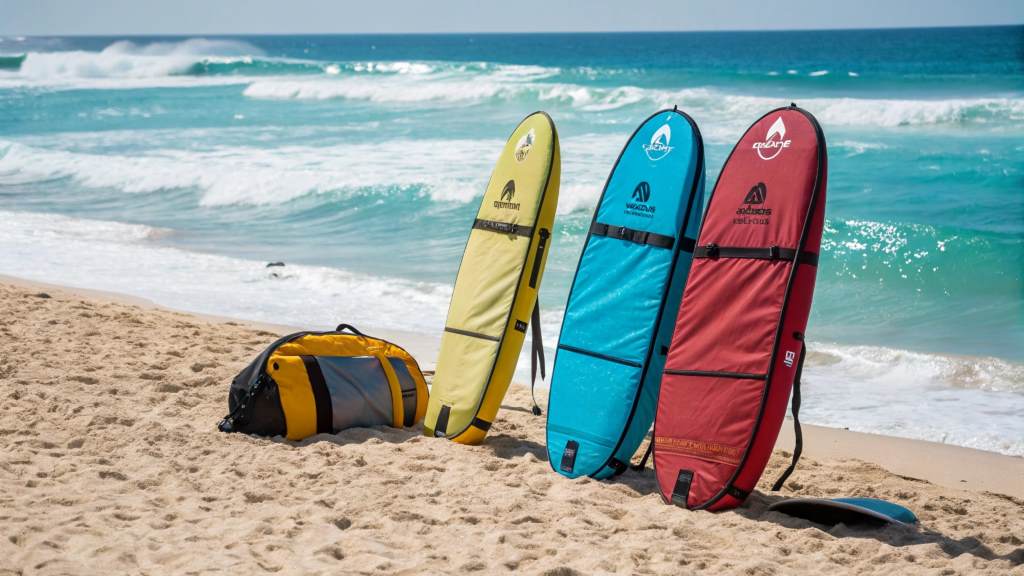
Day Bags
When venturing out for a local surf session, a day bag is an essential accessory to protect your surfboard from scrapes and dings. I still remember the day I bought my first day bag; it was like wrapping my board in a snug blanket. These bags are usually lightweight and offer enough padding to keep your board safe during short trips.
Here are the key features of day bags:
- Thickness: Generally around 2mm to 4mm of padding.
- Water-Resistant: Helps to protect against moisture.
- Convenient Handles and Straps: Easy to carry to the beach.
Travel Bags
For those who love to surf on distant shores, travel bags are a game-changer. I took my first surf trip carrying a travel bag, and it was a lifesaver; the extra padding ensured my board arrived intact. These bags often come with extra room to accommodate multiple boards and gear.
Consider the advantages of travel bags:
- Extra Padding: Typically 5mm to 10mm for maximum protection.
- Wheels: Makes transport easier through airports.
- Multiple Compartments: Convenient for storing additional gear.
Investing in quality surfboard bags is vital for preserving gear, whether for a casual beach day or an epic surf adventure.
Leashes and Fins
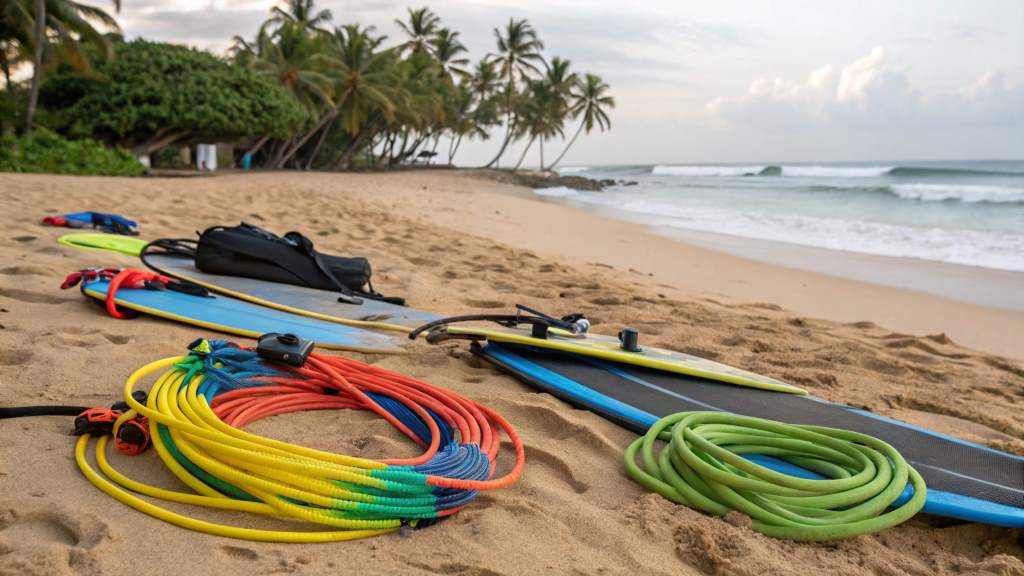
Leg Ropes
Leashes, or leg ropes, are often the unsung heroes of surf gear. These essential accessories keep your board tethered to you, allowing you to paddle without worrying about losing your board. I recall a wipeout where, thanks to my sturdy leash, my board was just a moment away, floating beside me instead of heading for the shore.
Key features of leg ropes include:
- Length Options: Typically 6 to 10 feet long to suit different board sizes.
- Strength: Made from durable materials to withstand the force of waves.
- Comfort: Padded ankle cuffs for secure and pleasant wear.
Fins
Fins are another critical component, affecting how your board interacts with the water. They help provide stability, control, and maneuverability. I still remember experimenting with different fin setups and feeling the difference in my turns and speed.
Here’s what to know about fins:
- Types: Single, twin, thruster (three fins), and quad setups, each offering unique performance.
- Materials: Can be fiberglass, plastic, or carbon for varying flexibility and strength.
- Fin Placement: Influences speed and turning ability on waves.
Proper leashes and fins enhance the overall surfing experience, ensuring you stay connected to your board while riding waves with confidence.
Sun Protection
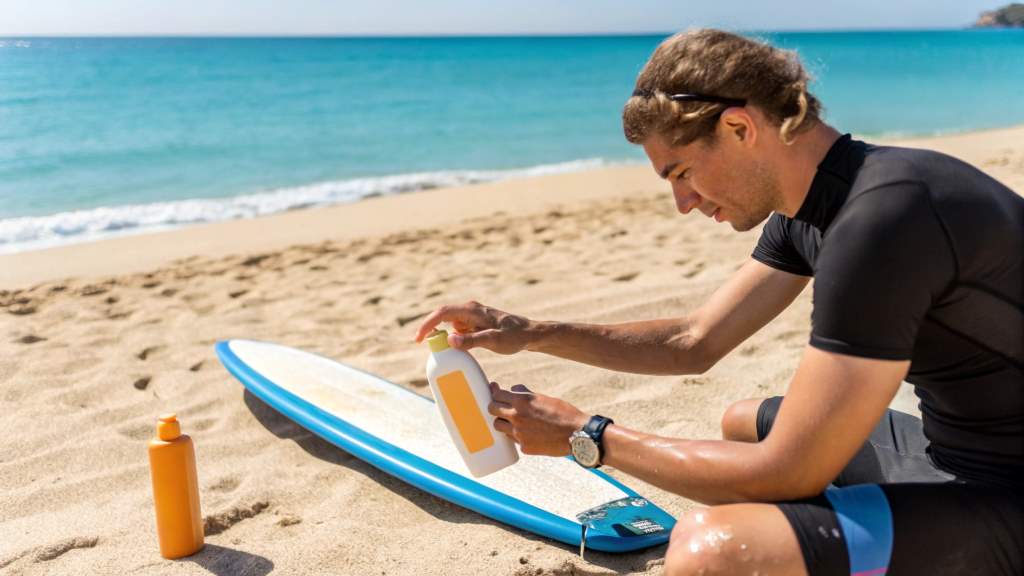
Rashguards
When spending hours under the sun, protecting your skin is crucial, and rashguards are an excellent first line of defense. These lightweight, stretchy tops not only protect against UV rays but also prevent chafing from your wetsuit or surfboard. I remember my first long day at the beach; wearing a rashguard saved me from painful sunburn.
Consider these benefits of rashguards:
- UPF Protection: Many offer UV protection ratings, shielding your skin.
- Quick-Drying Fabric: Keeps you comfortable during and after your surf.
- Variety of Styles: Available in long and short sleeves, catering to different preferences.
Sunscreen
Alongside rashguards, a good sunscreen is a must-have for any surfer. With the sun reflecting off the water, it’s easy to underestimate its intensity. I learned this lesson the hard way after a beach day sans sunscreen, ending up with a fiery sunburn.
Here’s what to consider when choosing sunscreen:
- Broad-Spectrum Formula: Protects against both UVA and UVB rays.
- Water-Resistant: Look for options that last up to 80 minutes in the water.
- Natural Ingredients: Consider eco-friendly choices that are safe for marine life.
Prioritizing sun protection keeps you comfortable and healthy, allowing you to enjoy those sun-soaked surf sessions without worry.
Surf Travel Insurance
When planning a surf trip, one of the most critical yet often overlooked aspects is securing appropriate surf travel insurance. Accidents can happen, whether it’s a surfboard mishap or unexpected weather events, and having coverage can provide peace of mind. I remember my last trip to Hawaii when a sudden storm rolled in, and the safety of my gear and health became my top priorities.
Key benefits of surf travel insurance include:
- Medical Coverage: Protects against unexpected injuries while surfing.
- Equipment Protection: Coverage for damaged or lost gear during travel.
- Trip Cancellation: Reimbursement in case unforeseen circumstances force changes to your itinerary.
Investing in surf travel insurance is a small step that can protect you from potential headaches, ensuring your focus remains on catching the perfect wave.
Portable Shower and Changing Mat
After an exhilarating day of surfing, nothing feels better than rinsing off the saltwater and sand. A portable shower can be a game-changer, especially when you’re at remote beaches. I recall a surf trip where a handy outdoor shower made all the difference; it allowed me to clean up before heading home, leaving the beach feeling refreshed.
Here are the benefits of having a portable shower:
- Convenience: Easily rinse off anywhere without relying on public facilities.
- Compact Design: Many models are lightweight and easy to transport.
- Versatile Use: Ideal for camping, hiking, or post-surf sessions.
Changing Mat
Coupled with a portable shower, a changing mat elevates your post-surf experience. Instead of awkwardly changing on the beach or in your car, a mat gives you a designated space. I remember using one at a crowded beach; it not only provided privacy but also kept my gear sand-free.
Key features include:
- Waterproof Material: Keeps the sand and mud away from your clothes.
- Compact and Lightweight: Easy to pack in your surf gear.
- Foldable Design: Convenient for storage and travel.
A portable shower and changing mat are essentials that streamline your post-surf routine, ensuring comfort and cleanliness wherever you venture.
Surfboard Repair Kit
No surfer wants to face the dreaded moment when they discover a crack or ding on their beloved board. That’s where a surfboard repair kit becomes an essential part of your gear. I remember my first surfing trip where I accidentally chipped my board on a rocky reef; having a repair kit with me saved the day and allowed me to hit the waves again.
Here’s what to look for in a surfboard repair kit:
- Epoxy Resin: Ideal for fixing dings, ensuring a strong bond.
- Sandpaper: Helps smooth out the repaired area for a seamless finish.
- Fiberglass Cloth: Provides added strength to the repair.
Having a surfboard repair kit on hand not only prolongs the life of your board but also keeps you in the water, ready for the next swell.
Ear Plugs and Wax Comb
As avid surfers know, the ocean can be as unforgiving as it is beautiful. Protecting your ears is essential, especially during long sessions in the water. I learned this the hard way after experiencing surfer’s ear, an annoying condition caused by repeated exposure to cold water. Ear plugs can be a lifesaver in preventing this discomfort.
Key benefits of ear plugs include:
- Water Resistance: Keeps water out to help avoid infections.
- Comfort: Made from soft materials that mold to your ear shape.
- Versatile Use: Great for swimming, diving, or any water sports.
Wax Comb
In addition to ear plugs, a wax comb is a must-have accessory for maintaining grip on your surfboard. I remember my initial struggles with slipping off my board before realizing the importance of proper waxing. A wax comb not only helps apply wax but also removes old layers for optimal performance.
Key features include:
- Dual-Sided Design: One side for applying wax and the other for scraping off excess.
- Compact Size: Fits easily in your surf bag.
- Durable Material: Many are made from sturdy plastic or wood.
By incorporating ear plugs and a wax comb into your surfing essentials, you ensure a more enjoyable and safe experience on the waves.
Water Bottles and Snacks

After an exhilarating day of surfing, staying hydrated and energized is key to recovering and preparing for your next session. I learned early on that packing a reliable water bottle and nutritious snacks could make all the difference during a long day at the beach.
Water Bottles
Choosing the right water bottle is essential:
- Insulated Design: Keeps your drinks cold even under the hot sun.
- Durable Materials: Look for BPA-free options that can withstand beach conditions.
- Easy to Carry: A lightweight design with a loop or strap makes transport a breeze.
Snacks
Complementing your hydration, healthy snacks can replenish energy levels:
- Protein Bars: Convenient and packed with nutrients.
- Nuts and Dried Fruits: Great sources of healthy fats and quick energy.
- Fresh Fruit: Hydrating and refreshing after a surf session.
Having water bottles and snacks on hand ensures you can refuel and stay hydrated, keeping your spirits high as you chase those waves!
Sustainable Surf Gear Options
As surfers, we often find ourselves in the beauty of nature, making it crucial to protect our oceans and beaches. The good news is that sustainable surf gear options are becoming more accessible and popular. I remember switching to eco-friendly gear and feeling a strong connection to both the waves and the environment.
Eco-Friendly Surfboards
Consider these sustainable options when shopping for a surfboard:
- Organic Materials: Look for boards made from EPS or bamboo instead of traditional foam.
- Resin Choices: Opt for boards utilizing bio-resin instead of petroleum-based products.
- Second-Hand Boards: purchasing used boards helps reduce waste.
Sustainable Apparel and Accessories
In terms of apparel, many brands now offer:
- Recycled Fabrics: Rashguards made from recycled plastics.
- Eco-Conscious Wetsuits: Brands are innovating using natural rubber and non-toxic manufacturing processes.
By choosing sustainable gear, surfers can contribute to preserving the beautiful environments they love, ensuring that future generations can enjoy the waves just as we do.
Surf Equipment Rental Tips
Renting surf equipment can be a great option for those just starting out or traveling to new surf spots. I vividly remember my first experience renting a board; it was a little daunting, but with the right tips, it became a breeze.
Choosing the Right Board
When renting a surfboard, consider the following:
- Skill Level: Discuss your experience with the rental shop to find a suitable board.
- Board Type: Opt for longer boards if you’re a beginner, as they offer more stability.
- Condition: Inspect the board for dings or damage before heading out.
Rental Shop Etiquette
Maintaining good etiquette at rental shops can ease your experience:
- Ask Questions: Don’t hesitate to inquire about board features or local surf conditions.
- Return on Time: Respect the rental agreement; punctuality is appreciated!
- Be Kind: Show gratitude to the staff who offer valuable guidance.
By following these tips, you can make the most of your rental experience, setting the stage for an unforgettable time conquering the waves.

