
Surfing is more than just a sport; it is a way of life, steeped in tradition and cultural significance. Its origins can be traced back to the ancient Polynesian islands, where surfing was not merely a pastime but an integral part of the culture. Historical accounts suggest that as early as the 12th century, Polynesians were riding waves on crafted wooden boards.
Fast forward to the 20th century, and surfing evolved significantly. The arrival of surfers in California brought the sport to the United States, where it exploded in popularity during the 1960s. Iconic films and music from this era, including “The Endless Summer,” showcased the thrill and freedom associated with surfing. The number of enthusiasts surged, and surfing became a symbol of a laid-back, adventurous lifestyle.
Evolution of Surfboard Designs
As surfing gained momentum, so did the technology behind surfboards. Initially, surfboards were made from heavy wood, with long and cumbersome designs. The challenges of maneuverability were evident, but this all changed with innovations in materials and design.
By the late 1950s and early 1960s, surfers began experimenting with lighter materials such as foam and fiberglass. The introduction of shorter boards, or “shortboards,” emerged as a revolutionary advancement, allowing for better maneuverability and improved performance in smaller waves.
Some notable developments include:
- Materials: Transitioning from heavy woods to lightweight fiberglass and foam.
- Shapes: Refinement of board shapes that cater to different surfing styles (e.g., fish tail for better speed).
Today’s surfboards come in various forms, including:
| Board Type | Description |
|---|---|
| Longboards | Larger, more stable boards for cruising. |
| Shortboards | Sleeker, designed for agility and performance. |
| Fish Boards | Wider tail for enhanced buoyancy and speed. |
| Funboards | A blend of longboards and shortboards for versatility. |
Surfboard design continues to evolve, influenced by new surfing styles, technologies, and materials. From traditional wooden boards to cutting-edge designs, each evolution reflects the surfing community’s desire for performance, art, and connection with the ocean.
Traditional Surfing Styles
Longboarding

Longboarding is akin to dancing on the waves—graceful, fluid, and filled with style. Originating from the traditional wooden boards of ancient Polynesia, longboards are typically over 9 feet long and offer a unique surfing experience that emphasizes smooth, drawn-out turns and elegant maneuvers.
One of the most appealing aspects of longboarding is the emphasis on cross-stepping—moving from the back to the front of the board to transition between speeds and styles effortlessly. This not only gives surfers a sense of balance but also showcases their artistry. For example, many longboarders enjoy the thrill of “hanging ten,” where they position all ten toes over the nose of the board, creating a stunning visual while riding the wave.
Benefits of longboarding include:
- Stability: Longer boards provide greater stability, making them suitable for beginners.
- Wave Selection: Longboards perform well in smaller, slower waves, allowing surfers to enjoy a variety of conditions.
- Style and Flow: The potential for elegant riding and creative expression offers a unique appeal.
Shortboarding

On the flip side, shortboarding transforms surfing into an adrenaline-pumping experience. Shortboards are generally less than 7 feet long and designed for radical maneuvers and speed. As an experienced surfer might say, riding a shortboard is all about catching the perfect wave and pushing the limits of what a surfboard can achieve.
Shortboarding is known for its high-performance techniques, where surfers perform tricks like aerial maneuvers, aggressive turns, and rapid cuts on the wave face. I remember the first time I tried shortboarding; the challenge of balancing and timing my movements against the powerful waves gave me an exhilarating rush unlike any other.
Key features of shortboarding include:
- Maneuverability: Smaller size allows for quick turns and dynamic movements in the surf.
- Performance: Designed for high speeds, perfect for experienced surfers seeking thrill.
- Variety of Conditions: Shortboards perform exceptionally well in larger, steep waves.
| Style | Length | Focus |
|---|---|---|
| Longboarding | 9+ feet | Stability, smooth maneuvers |
| Shortboarding | 5-7 feet | Speed, tricks, aggressive maneuvers |
Whether one prefers longboarding or shortboarding, each style offers a distinct experience that captures the essence of surfing. Both reflect the surfer’s personality and connection with the waves, making the choice between them a matter of individual preference and surfing aspirations.
Alternative Surfing Disciplines
Stand-up Paddleboarding (SUP)
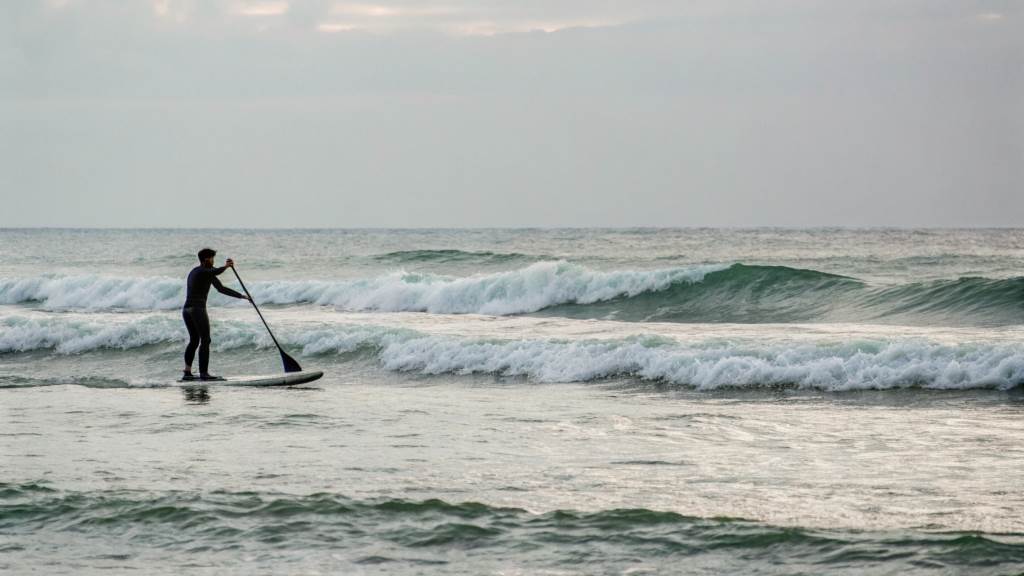
Stand-up paddleboarding, or SUP, has emerged as a fantastic alternative to traditional surfing, introducing a new way to enjoy the water. Picture yourself gliding across the surf, heart racing, while you navigate through calm waters or surf small waves—all while standing on a wide, stable board. This discipline gives a unique perspective and a beautiful connection to the environment.
SUP boards are typically larger and more buoyant, allowing surfers to paddle using a long-handled paddle. This not only elevates the experience but also offers an excellent full-body workout. I vividly remember my first SUP experience, where I paddled out into a serene bay, surrounded by towering cliffs and shimmering waters. The combination of stability and paddle power made it easy to explore areas that traditional surfers might overlook.
Some advantages of SUP include:
- Accessibility: Suitable for all ages and skill levels, making it a family-friendly sport.
- Versatility: Ideal for various water conditions—flat lakes, rivers, or small waves.
- Fitness Benefits: Great for balance, core strength, and endurance.
Bodyboarding

On the flip side, bodyboarding delivers a thrilling ride while emphasizing speed and agility. Also known as boogie boarding, this discipline involves riding smaller waves on a shorter foam board while lying down, allowing for quick bursts of movement and creativity in the surf.
Bodyboarding is renowned for its versatility, as riders can effortlessly catch waves that may be too small for traditional surfing or difficult for beginners. I recall catching my first wave on a bodyboard, the rush of the water propelling me forward while I held onto the board, instilling a joyous sense of freedom.
Key features of bodyboarding include:
- Ease of Learning: More accessible for beginners compared to traditional surfing, with fewer skills required initially.
- Wave Riding: Allows for quick maneuvers and dynamic riding positions, including the ability to perform tricks.
- Adaptability: Bodyboarders can ride in a wide range of wave conditions, from gentle swells to more significant surf.
| Discipline | Position | Equipment |
|---|---|---|
| Stand-up Paddleboarding (SUP) | Standing | Large paddleboard, paddle |
| Bodyboarding | Lying down | Short foam board |
Both alternative surfing disciplines offer exciting ways to engage with the ocean, catering to those seeking various experiences. Whether you prefer the calm exploration of SUP or the high-energy ride of bodyboarding, these options broaden the surfing universe and enhance the joy of wave riding.
Extreme Surfing Techniques
Tow-in Surfing

Tow-in surfing has revolutionized the way surfers tackle monstrous ocean waves. This technique employs the use of a jet ski or a small boat to pull surfers into waves that would otherwise be too challenging to catch paddling alone. Imagine the adrenaline rush of being towed into a massive wave, the sound of the water crashing around you as you prepare to ride the swell!
What makes tow-in surfing distinct is the sheer size of the waves surfers can conquer—from 30 to over 60 feet! I’ve had the chance to witness tow-in surfers in action at places like Jaws in Maui and Teahupo’o in Tahiti. The precision and timing required to release from the tow rope just before the wave breaks is nothing short of extraordinary.
Key aspects of tow-in surfing include:
- Equipment: Surfers require specialized boards, often designed for speed and control, along with jet skis equipped for towing.
- Safety: With the potential for extreme conditions, safety is paramount—surfers often collaborate with experienced jet ski operators.
- Access to Bigger Waves: This technique allows surfers to reach waves that standard paddling surfers couldn’t dream of managing.
Big Wave Surfing
On the other hand, big wave surfing is the purest expression of surfing’s adventurous spirit. It involves riding waves that exceed 20 feet, often requiring immense skill, courage, and respect for the ocean. Each session feels different, with every wave presenting new challenges and excitement.
I recall my first encounter with big waves at Mavericks in California. Clear blue water framed by towering waves brought both excitement and apprehension. Watching experienced surfers paddle into the giants, I was in awe of their bravery. The roar of the waves and the sheer power of nature created an unforgettable atmosphere.
Important considerations for big wave surfing include:
- Physical Preparation: It demands strength, endurance, and exceptional paddling skills.
- Wave Dynamics: Understanding wave patterns and ocean conditions is crucial to safety and success.
- Safety Gear: Surfers often wear inflatable vests and helmets to protect themselves.
| Technique | Method | Required Skills |
|---|---|---|
| Tow-in Surfing | Towed by jet ski | Precision timing, quick reflexes |
| Big Wave Surfing | Paddling into larger waves | Physical endurance, wave reading |
Both tow-in and big wave surfing illustrate surfing’s adventurous essence. As surfers push the boundaries of the sport, these extreme techniques invite thrill-seekers to experience the ocean’s might in exciting ways.
Competitive Surfing Formats

Surfing Contests
Surfing contests are exhilarating events that showcase the skill and creativity of surfers from around the world. These competitions provide a platform for surfers to demonstrate their abilities in various waves and conditions, with judges evaluating them based on criteria like wave choice, maneuver difficulty, originality, and overall style.
Having attended several local surf contests, it’s impossible not to feel the electric atmosphere as competitors paddle out, determined to make their mark. Each heat is a mini-competition, where surfers battle it out against the clock and each other, all within a set timeframe.
Here are some key elements of surfing contests:
- Heats: Competitors are divided into heats, where they take turns showcasing their skills to earn the best possible scores.
- Judging Criteria: Qualified judges score each ride on a scale, considering factors like wave selection and technical execution.
- Events: There are various types of contests, including pro circuits like the World Surf League (WSL) and local surf competitions.
| Contest Format | Description |
|---|---|
| Short Heats | Typically lasts 20-30 minutes with 4-6 surfers. |
| Long Heats | Often 30-40 minutes, allowing for more waves. |
| Final Heats | Usually have the top surfers competing for championship titles. |
Olympic Surfing
Adding exciting momentum to the surfing world is its inclusion in the Olympic Games. Surfing made its Olympic debut at the Tokyo 2020 Games, introducing a new level of prestige and recognition to the sport. Athletes from various countries showcased their skills on the international stage, representing their nations and competing for gold medals.
Participating in Olympic surfing is a dream for many surfers, merging athleticism with national pride. The competition format follows a similar approach to traditional contests, with heats leading to elimination rounds until the top surfers vie for medals.
Important aspects of Olympic surfing include:
- Qualification: Athletes must participate and perform well in qualifying events to earn their spots in the Olympics.
- Conditions: The competition takes place in specific locations known for optimal surfing conditions, ensuring an exciting spectacle.
- Global Representation: So many athletes from diverse countries showcase their unique styles and techniques, fostering a true sense of camaraderie.
| Feature | Surfing Contests | Olympic Surfing |
|---|---|---|
| Structure | Local and pro events with various formats | One-time event every four years |
| Diversity | Various surfers from different backgrounds | National representation |
| Recognition | Local and global fame | International prestige and honor |
With surfing contests and Olympic surfing, competitive formats have transformed the sport, providing surfers with opportunities to shine and gain recognition on both local and global stages. The journey from local competitions to the Olympics encapsulates the spirit of surfing—exploration, passion, and the pursuit of excellence.
Unique Surfing Experiences
River Surfing
River surfing is a fascinating twist on the traditional ocean experience, allowing surfers to ride standing waves in rivers. Unlike ocean waves, which crash and break, these standing waves vary in size and power but maintain a continuous flow, offering an exhilarating ride that can last indefinitely as long as conditions permit.
I recall my first encounter with river surfing on the Eisbach River in Munich, Germany. It was an unexpected treat to watch surfers tackle this glassy, powerful wave in the heart of the city. The camaraderie among surfers was contagious, and the thrill of riding a wave in a river setting was unlike anything I had ever experienced.
Some highlights of river surfing include:
- Accessibility: Surfers can enjoy this sport year-round, without the need to chase ocean swells.
- Skill Development: River surfing offers a unique opportunity to hone skills, focusing on balance and maneuvering in a smaller, more controlled environment.
- Community Vibe: Many river surf spots cultivate tight-knit communities, fostering friendships among surfers of all levels.
| Feature | Description |
|---|---|
| Wave Type | Standing waves created by river currents |
| Environment | Urban or natural river settings |
| Skill Level | Suitable for all levels, with varying conditions |
Ice Surfing
On the other end of the spectrum, ice surfing presents an adventurous challenge that few surfers have yet to experience. This unique discipline involves riding surfboards on frozen lakes or icy rivers. Imagine the cold biting at your cheeks while you glide over a solid surface, navigating waves made from ice sheets and snow. It’s like combining surfing with a winter sport!
Ice surfing is not just about bravado; it requires exceptional skill and the right equipment. Surfers often use modified boards to adapt to the icy surface, along with insulated wetsuits to combat the frigid temperatures. I was fortunate to witness an ice surfing event in Finland, where seasoned surfers showcased their techniques against a backdrop of stunning frozen landscapes.
Key characteristics of ice surfing include:
- Extreme Conditions: This discipline tests surfers’ adaptability to harsh temperatures and unique wave forms created by ice.
- Specialized Gear: Participants often employ specially designed boards that allow for maintenance of speed and control on icy surfaces.
- Limited Locations: Ice surfing spots are niche, often found in cold climates with suitable ice formations.
| Feature | Description |
|---|---|
| Environment | Frozen lakes or rivers |
| Equipment | Specialized boards and insulated wetsuits |
| Challenge | Requires adaptation to extreme cold and unique wave types |
Both river surfing and ice surfing offer remarkable experiences that expand the surfing realm beyond traditional coastal boundaries. They remind us that the essence of surfing—connecting with water and embracing adventure—can be found in some of the most unexpected places. Embracing these unique experiences can ignite a new passion and deepen one’s love for the sport.

