
Surfing isn’t just about catching waves; it’s about riding them confidently and consistently. Simply put, endurance is a surfer’s secret weapon. A well-rounded surfing experience demands both physical stamina and mental fortitude, especially when faced with challenging conditions or prolonged sessions.
Consider this: after paddling for what feels like an eternity, finally catching that perfect wave can feel exhilarating. But without endurance, that joy can quickly turn to fatigue. Here’s why endurance is crucial for surfers:
- Prolonged Sessions: The ability to stay out in the water longer allows surfers to capitalize on more waves.
- Challenging Conditions: Bigger swells and tougher conditions demand more physical exertion, making endurance essential.
- Injury Prevention: Well-developed stamina can lead to better technique and reduced risk of injury.
Ultimately, improving endurance is about enhancing both performance and enjoyment in the water. Remember, a fit surfer is a happier surfer!
Building Physical Stamina
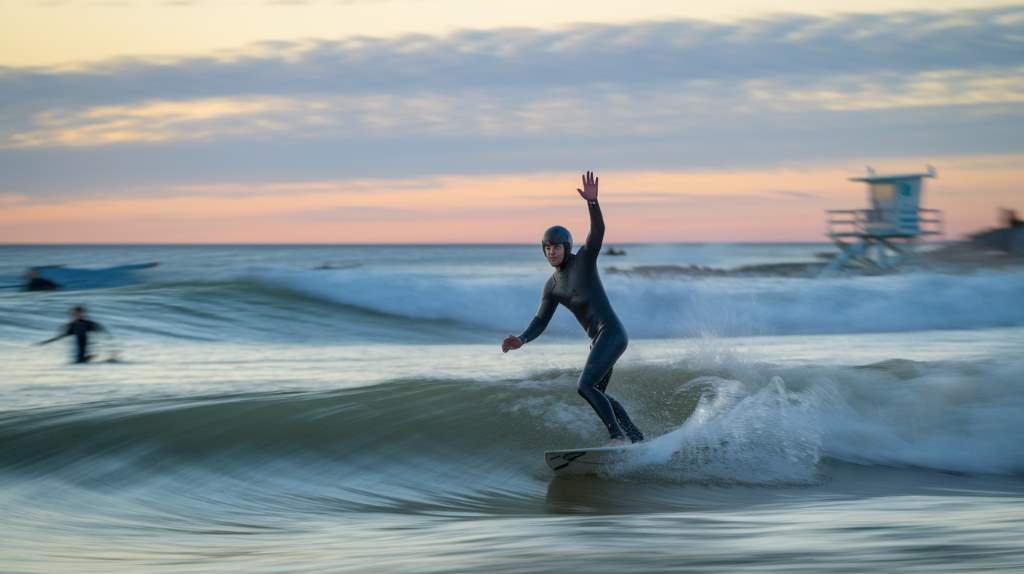
Strength Training for Surfers
To truly enhance endurance, surfers must incorporate strength training into their routine. Building muscle not only improves power output but also supports joint stability, which is vital when navigating unpredictable ocean conditions.
Here are key exercises every surfer should consider:
- Squats: Excellent for leg strength, mimicking the squat stance while balancing on a board.
- Push-Ups: Strengthen the upper body, crucial for paddling.
- Planks: Develop core strength, enhancing balance and stability on the wave.
Cardiovascular Conditioning
While strength is important, cardiovascular conditioning is where surfers can truly build stamina. Engaging in aerobic activities boosts heart health and improves lung capacity, both essential for extended surf sessions.
Some effective cardio ideas include:
- Running or Jogging: Builds leg strength and endurance while simulating the demanding nature of surfing.
- Swimming: Directly translates to paddling ability, improving both endurance and technique.
- Cycling: Great for low-impact conditioning, helping build leg power without straining joints.
By consistently incorporating these training elements, surfers can maximize their physical stamina, ensuring they’re always ready to ride those waves!
Enhancing Mental Resilience
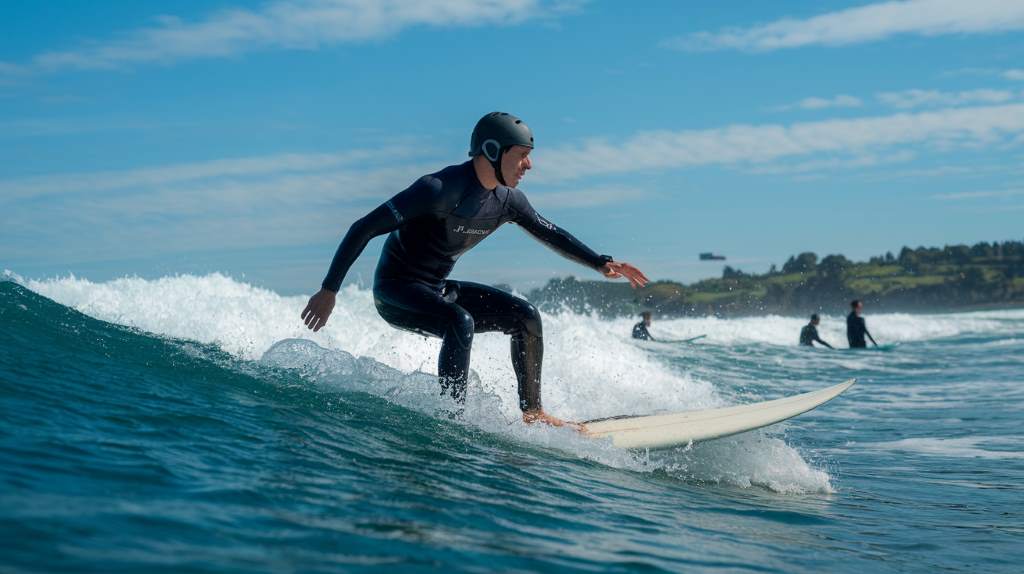
Mindfulness Practices for Surfing
Mental resilience is just as vital as physical stamina for a surfer, often distinguishing the good from the great. One effective way to build this resilience is through mindfulness practices. Imagine yourself sitting on your board, feeling the gentle rocking of the ocean, and focusing solely on the present moment. This can significantly enhance your surfing experience.
Consider these mindfulness techniques:
- Deep Breathing: Ground yourself before hitting the waves by taking slow, deep breaths. This calms nerves and improves focus.
- Body Scans: Periodically check in with your body to release tension, ensuring you maintain an optimal balance on the board.
Visualization Techniques
Visualization techniques can further bolster mental strength. Picture yourself executing a flawless ride on a wave before you even paddle out. This can create a powerful mindset shift.
Tips for effective visualization:
- Create a Routine: Set aside time to visualize your waves and techniques, making it a part of your surf prep.
- Incorporate All Senses: Engage all your senses during visualization. Hear the roar of the ocean, feel the spray of the water, and see yourself riding the wave.
Combining mindfulness with visualization not only cultivates mental resilience but also enhances overall surfing performance.
Nutrition for Surf Performance
Hydration and Electrolyte Balance
Just like a car needs fuel to run, your body demands hydration and electrolytes to perform at its best while surfing. Dehydration can lead to fatigue, muscle cramps, and decreased focus—a definite no-go when you’re out there battling the waves.
Here are some hydration tips for surfers:
- Drink Water Regularly: Don’t wait until you’re thirsty; sip water throughout the day, especially before heading to the beach.
- Electrolyte Drinks: During long sessions, incorporate sports drinks or coconut water to replenish lost electrolytes.
Fueling your Body for Long Surf Sessions
To truly maximize your surf sessions, it’s crucial to fuel your body properly. Think of your diet as your surfboard—without the right specifications, it won’t perform well.
Focus on:
- Complex Carbohydrates: Foods like oatmeal, brown rice, and whole grains provide sustained energy for long paddles.
- Lean Proteins: Incorporate chicken, fish, or plant-based proteins to aid in muscle recovery after those challenging rides.
- Healthy Fats: Avocados, nuts, and seeds support overall health and provide a dense energy source.
By prioritizing hydration and nourishment, surfers can ensure they stay energized, focused, and ready to conquer those waves!
Proper Rest and Recovery
Importance of Rest Days
After intense surf sessions, it’s all too easy to want to jump back into the water. However, rest days are essential for recovery and overall performance. Just like a beach needs time to rest from the crashing waves, so do surfers.
Here’s why incorporating rest days into your routine is vital:
- Muscle Repair: During rest, the body repairs and strengthens muscles, leading to improved performance on your next surf.
- Injury Prevention: Overworking muscles can lead to injuries. Rest helps to prevent wear and tear on the body.
- Mental Freshness: Taking a step back from the waves can rekindle your passion for surfing and keep you motivated.
Boost Surfing Stamina on the Spot Without Taking Foods or Supplements
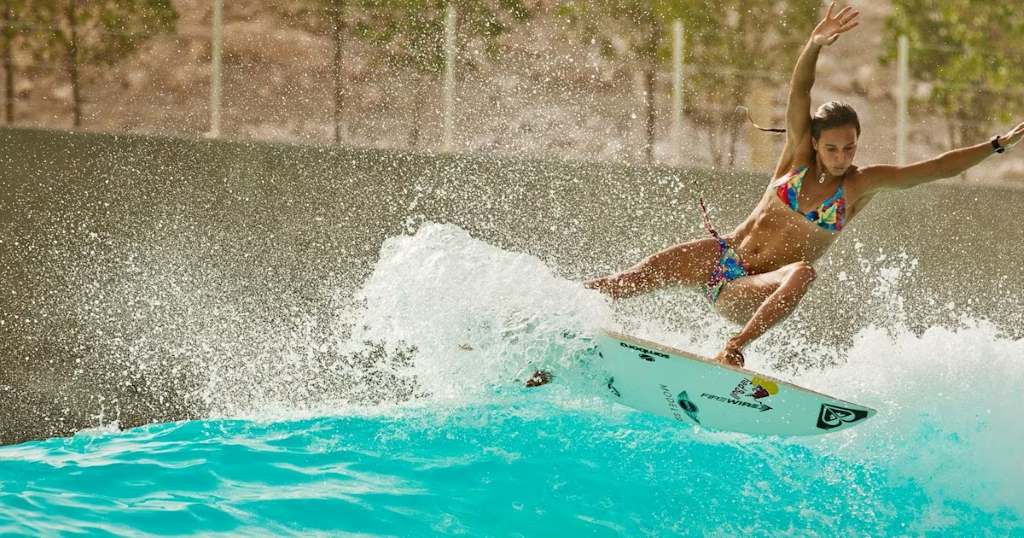
Boosting surfing stamina on the spot, without food or supplements, is all about optimizing your breathing, mindset, and body engagement. Here are some effective techniques:
- Controlled Breathing: Before paddling out, take a few minutes to focus on deep, slow breathing. Inhale deeply through your nose, fill your lungs, then exhale through your mouth. This helps improve oxygen flow, relaxes muscles, and enhances stamina.
- Conserve Energy in the Water: Avoid constant paddling and use the waves to your advantage. Paddle when necessary, but take small breaks to stay relaxed and conserve energy, which helps you last longer in the water.
- Engage Your Core Muscles: Engaging core muscles reduces fatigue in your arms and shoulders. Focus on keeping your core tight when paddling and popping up, which will distribute the effort more evenly across your body.
- Mindful Pacing: Don’t go all out immediately—start at a steady pace, focusing on timing and efficiency. If you’re in for a long session, alternate between intense and relaxed paddling to prevent burnout.
- Stretching Between Waves: Gentle stretching on the board can help reduce muscle tightness and increase blood flow, maintaining flexibility and energy.
- Mental Focus and Visualization: Staying mentally focused keeps you energized. Visualize yourself catching waves smoothly, and stay in a positive, relaxed state. Managing your mindset can greatly impact endurance and overall performance.
Sleep Hygiene for Surfers
Equally important is good sleep hygiene, which plays a significant role in recovery. Adequate sleep optimizes performance and helps in muscle recovery.
Tips for improving sleep hygiene:
- Consistent Sleep Schedule: Try to go to bed and wake up at the same time every day to regulate your body clock.
- Create a Relaxing Environment: Keep your bedroom cool, dark, and quiet to facilitate deeper sleep.
- Limit Screen Time: Reducing exposure to screens before bed can help your mind wind down effectively.
By respecting your body’s need for rest and focusing on quality sleep, surfers can ensure they are always at their best in the lineup.
Gear and Equipment Tips
Choosing the Right Surfboard
Selecting the right surfboard is akin to choosing your best friend— it has to complement your style and fit your needs. With so many options available, finding the perfect board can be overwhelming, but it’s crucial for enhancing your performance on the waves.
Here are a few tips to help in your decision:
- Board Type: Consider your skill level and the type of waves you usually ride. Longboards are great for beginners, while shortboards provide more maneuverability for advanced surfers.
- Volume and Size: A board with more volume floats better, making it easier to paddle. Don’t hesitate to seek advice from a professional or a seasoned surfer when selecting.
- Material: Modern boards can be made from foam, epoxy, or traditional fiberglass. Your choice may depend on durability needs and performance preferences.
Importance of Suiting up Properly
Once you have the right board, the next step is ensuring you’re suited up correctly for the ocean conditions. Wearing the appropriate wetsuit can significantly enhance your comfort and performance.
Consider these factors:
- Water Temperature: Choose a wetsuit thickness suitable for the water temperature. Thicker suits offer more insulation for colder waters, while lighter suits suit warmer climates.
- Fit and Flexibility: Ensure that your wetsuit fits snugly, allowing for easy movement. An ill-fitting suit can hinder performance while paddling or riding.
By investing in the right surfboard and proper gear, surfers can fully enjoy their time in the water while maximizing their performance!
Surfing Technique Refinement

Improving Paddling Efficiency
Once you’ve suited up and selected the right gear, stepping into the water isn’t just about excitement; it’s about mastering techniques too. One fundamental skill is paddling efficiency. The right paddling technique allows you to conserve energy, extend your session, and catch more waves.
Here are some tips for better paddling:
- Body Position: Keep your body centered on the board. Your hips should rest just above the waterline, helping maintain balance and reducing drag.
- Effective Strokes: Use long, deep strokes rather than short, frantic ones. Reach far ahead with each paddling hand to maximize distance and propulsion.
- Core Engagement: Engage your core to power your paddling strokes instead of relying solely on your arms.
Enhancing Duck Diving Skills
Along with paddling, mastering the duck dive is essential for maneuvering through breaking waves. A proficient duck dive allows you to conserve energy and get under waves instead of fighting them.
Follow these strategies for better duck diving:
- Timing: Dive just before the wave hits you. The timing allows you to slip beneath the surface rather than being pushed back.
- Knees to Chest: As you dive, pull your knees to your chest and push down on your board with your hands. This motion allows you to sink the board efficiently.
- Streamlined Position: Keep your body streamlined and face down for a quick exit to the surface after the wave passes.
By refining these techniques, surfers can enhance their overall performance and enjoy their time in the water even more!
Avoiding Burnout and Overtraining
Signs of Overtraining in Surfing
As much as surfers love riding the waves, pushing too hard without proper recovery can lead to burnout and overtraining. Recognizing the signs of overtraining is crucial for maintaining a healthy surfing routine. Some common indicators to watch for include:
- Persistent Fatigue: Feeling unusually tired, even after a good night’s sleep, can signal that your body needs a break.
- Decreased Performance: If your surfing skills start to slip, despite putting in more time, it’s a strong sign that overtraining is setting in.
- Mood Changes: Irritability or anxiety can indicate that your body and mind are overstressed.
Balancing Surfing with Cross-Training
To prevent burnout, incorporating cross-training activities into your routine can be incredibly beneficial. Not only does cross-training help strengthen different muscle groups, but it also keeps your workouts fresh and exciting.
Consider these cross-training options:
- Yoga: Enhances flexibility, balance, and mindfulness—perfect for improving surfing performance.
- Strength Training: Building overall body strength can enhance your paddling and stamina.
- Swimming: A great low-impact option, swimming builds cardiovascular endurance while simulating the movements involved in paddling.
By listening to your body and balancing surfing with cross-training, surfers can enjoy a sustainable, fulfilling passion for the sport without falling into the trap of burnout!
Surfing Etiquette and Safety Tips
Respect for Other Surfers in the Lineup
Surfing isn’t just about individual rides; it’s a communal activity that relies on respect and understanding among surfers. Practicing good etiquette in the lineup can enhance everyone’s experience and, most importantly, keep you safe.
Here are some key etiquette tips:
- Wait Your Turn: Always be mindful of the right-of-way. If someone is already riding a wave, give them space and don’t drop in.
- Communicate: Use hand signals or shout to indicate your intentions. This helps avoid collisions and misunderstandings.
- Be Friendly: A simple wave or nod can create a positive atmosphere in the water, encouraging camaraderie and respect.
Understanding Rip Currents and Ocean Hazards
While respect in the lineup is crucial, understanding ocean hazards is equally important for safety. Rip currents, in particular, can pose a serious threat to surfers.
To protect yourself:
- Identify Rip Currents: Look for differences in water color, breaking waves, and foam patterns. These can indicate the presence of a rip.
- Practice Escape Techniques: If caught in a rip current, swim parallel to the shore before making your way back. Don’t fight against it; conserve your energy.
- Stay Aware of Conditions: Before surfing, always check local surf reports for weather updates and potential hazards.
By respecting fellow surfers and understanding ocean dynamics, everyone can enjoy a safer and more enjoyable surfing experience!

