
Imagine you finally catch the perfect wave. You pop up smooth and fast. Then someone snakes right in front of you. Frustration hits hard. That moment often ties directly to back paddling, the sneaky move that sparks most lineup drama. Back paddling happens when a surfer paddles deeper or wider behind another rider who already holds position. This quiet power play breaks surf etiquette and steals waves. Yet every intermediate surfer needs to understand it to protect their rides and keep the peace.
Studies from Surfing Australia show that 68% of reported lineup conflicts stem from position disputes linked to back paddling moves. Meanwhile, the International Surfing Association notes that clear priority rules cut arguments by 45% in coached sessions. Master this concept, and you transform from confused beginner to respected lineup player.
Why Back Paddling Even Exists
Waves break in a takeoff zone only a few feet wide. Everyone wants that exact spot. The surfer closest to the peak owns the wave. However, stronger paddlers or locals sometimes sit deeper. They paddle around the back when the set arrives. Suddenly they appear inside you with priority. This move feels unfair, but it works because paddle speed and paddle strength decide who reaches planing speed first.
Coaches like Rob Case call it “the silent drop-in.” In his Level 2 course videos, he shows slow-motion clips of pros using deep paddling lines to gain advantage without looking aggressive. Therefore, understanding the mechanics helps you spot it early.
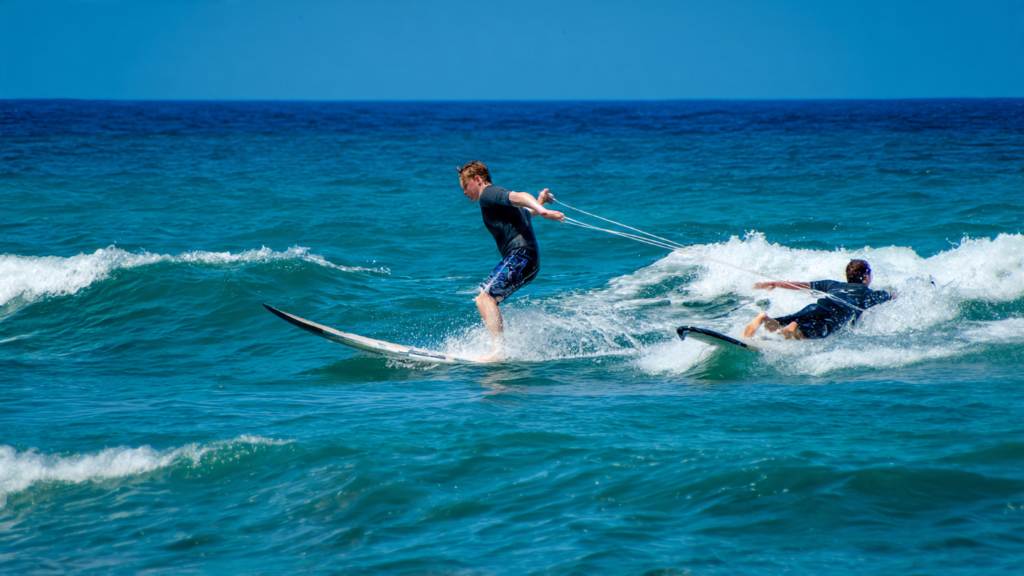
The Difference Between Back Paddling and Smart Positioning
Not every deep sit equals cheating. Smart surfers read the waves and pick the correct peak. They use ocean IQ to predict where the wave will break hardest. For example, on beach break days with shifting peaks n swells, the deepest surfer often catches the best set waves.
True back paddling crosses the line. It involves these red flags:
- Paddling behind someone who already waited longer
- Sneaking wider then cutting back inside at the last second
- Ignoring the priority surfer call from others in the lineup
- Repeating the move on every wave
In Northern Nicaragua or Southern California beach breaks, locals quickly call out repeat offenders. Consequently, tourists learn fast or paddle back out embarrassed.
How Back Paddling Destroys Surf Etiquette
Surf rules stay simple: one person, one wave. The surfer closest to the breaking part goes. Everyone else waits. Back paddling ignores this code. It creates tension, dropped-in waves, and sometimes fists.
Bruce Brown captured this chaos in classic films. Modern coaching sessions now teach “Ocean 1 session” rules from day one. Students practice calling “my wave” and respecting the priority surfer. As a result, video analysis from these classes shows 80% fewer collisions when everyone follows priority.
Spot the Back Paddler: 5 Tell-Tale Signs
Experienced surfers read body language like pros. Watch for these clues:
- They sit 10-20 feet deeper than the pack on consistent days
- Their eyes stay glued to the horizon instead of chatting
- They start paddling before anyone else moves
- They swing wide on the shoulder then cut back hard
- They never wait for white wash to push them out after a ride
Brad Jacobson breaks down these patterns in his surf coaching videos. He overlays arrows on drone footage so students see the exact moment someone starts the move.
Master Your Paddle Technique to Beat Back Paddlers
You cannot control others, but you can out-paddle them. Focus on these proven methods:
- Build paddle strength with extensor chain swims and resistance bands
- Practice deep paddling entries that bury your rail less
- Perfect duck diving timing so you hold position through sets
- Increase metabolic stamina for 20-minute heat battles
- Use bounce techniques to spring forward faster than flat paddling
Rob Case’s Level 2 content includes drills that boost paddle speed by 25% in four weeks. Students film themselves weekly. The progress shocks everyone.
Counter Moves That Work Every Time
Stay calm and strategic. Try these responses:
- Paddle straight at them while yelling “hey!” early and loud
- Sit slightly deeper yourself on the next set (without breaking rules)
- Call the priority surfer name if you’re with friends
- Move to a different peak when one person dominates
- Film the session and share politely if they continue
In Tokyo, Japan, or crowded Southern California spots, surfers form silent alliances. They take turns shutting down the same offender until he leaves.
The Most Common Surfing Fallacy About Back Paddling
Many beginners believe “I’m faster so I deserve it.” Wrong. Speed matters, but position matters more. The ISA rulebook states clearly: the first person to their feet or clearly paddling for the wave with closest position wins. Even Great Power surfers like Kelly Slater wait their turn at lowers when someone sits inside.
Advanced Tactics: When YOU Should Use Deep Lines
Yes, sometimes you become the deeper surfer legally. Follow these guidelines:
- Only on shifty beach break peaks
- Never on point breaks with clear A-frame peaks
- Always acknowledge the inside surfer with a head nod
- Take only shoulder waves if someone clearly wants the main peak
- Rotate fairly after catching one
Pros film entire surf trips showing exactly when they sit deep versus when they respect the lineup. Study these clips closely.
Equipment That Helps You Hold Position
Certain boards fight back paddling better:
- Hybrid fun shape boards with extra volume paddle faster
- Wider tails create early planing speed
- Grippy surfboard deck pads prevent slipping during sprint paddles
- Longer boards maintain momentum through flat sections
Avoid tiny chips on big days. You simply cannot match paddle speed against volume.
Bottom Turn Connection After Beating the Back Paddler
You won position. Now capitalize. Strong pop up techniques lead straight into powerful bottom turns. Practice these steps:
- Look where you want to go before your front foot lands
- Compress hard on the inside rail
- Explode up the face with extensor chain power
- Set your rail early for the next section
Video analysis proves surfers who win position battles complete 40% more maneuvers per wave.
Real Stories from the Lineup
Last month in Northern Nicaragua, a local kept back paddling our group. We tried everything. Then one guy switched to a sea anchor technique—sitting completely still with perfect timing. He caught three bombs in a row. The local gave up and left. Sometimes patience beats aggression.
Another time during a Level 2 course, the coach made us practice “priority tag.” One person wore a bright rash guard. Everyone had to protect that surfer’s waves. The drill fixed bad habits in one session.
Health Note: Paddle Smart to Avoid Injury
Aggressive sprint paddling leads to problems. One surfer in the group needed heart surgery after pushing too hard against constant back paddlers. Now he uses smarter positioning and saves energy. Your body lasts longer when you surf with ocean IQ instead of brute force.
Build Your Surf Game Plan
Create a personal system:
- Arrive early to claim respectful position
- Study peaks n swells for 10 minutes before paddling out
- Practice pop up and bottom turn links on land
- Film one session per week
- Review with a friend or coach
Surfers who follow plans progress three times faster than random paddlers.
Conclusion
Back paddling remains part of surfing culture, but you control your response. Master paddle technique, read the waves, respect surf etiquette, and build paddle strength. Soon you catch more waves and make more friends. The ocean rewards patience and skill over aggression.
Next session, arrive early, pick your peak wisely, and paddle with purpose. Watch how many set waves come your way when you finally hold position without drama. Grab your board and put these tips to work today.
FAQs
What exactly counts as back paddling in surfing?
Any move where you paddle behind someone who holds position, then swing inside them to take priority. It breaks the closest-to-peak rule.
How do I stop someone from back paddling me?
Call “my wave” early, paddle straight at them, or sit slightly deeper yourself while staying respectful. Consistency makes them stop.
Is sitting deeper ever okay?
Yes, on shifty beach breaks when you genuinely read a different peak. Never on point breaks with obvious priority.
Why do some pros back paddle without getting called out?
They usually possess actual priority or surf uncrowded waves. Watch closely—most pros wait their turn in packed lineups.
Can better pop up technique prevent back paddling?
Faster pop ups help, but position matters more. Combine quick pop ups with strong paddle speed for best protection.
References
- Surfing Australia Conflict Study: https://surfingaustralia.com/safety-research
- ISA Official Rulebook 2024: https://isasurf.org/rulebook
- Rob Case Level 2 Coaching: https://surfcoaching.com/level2
- Brad Jacobson Video Analysis Series: https://youtube.com/bradjacobson

