
Picture this. You paddle out at dawn. The ocean sparkles under the first light. But beneath those perfect waves, plastic waste chokes marine life. It hits hard. Surfing connects us to nature. Yet our gear often harms it. Recycled plastic surfboard fins change that story. They turn fishing nets and bottle caps into tools for better rides.
These fins use recycled plastic. They come from waste like old fishing nets or plastic bottles. Brands mold this material into strong shapes. You get hold and speed on waves. Plus, you help clean oceans. Each fin diverts trash from landfills.
Think about the scale. Over 11 million tonnes of plastic enter oceans yearly, per UNEP data. That’s like 2,000 garbage trucks daily. And 75 to 199 million tons already float in seas, says a 2025 RTS report. Surfers lead the fight. We pick fins that fight back. This guide covers top picks. We dive into features, pros, cons, and real rides. Ready to surf green?
Why Choose Recycled Plastic Surfboard Fins?
Surf fins shape your session. They control turns, speed, and stability. Traditional ones use virgin plastic or fiberglass. That adds to pollution. Recycled versions flip the script. They reuse plastic waste. You ride smoother while oceans breathe easier.
Start with basics. Fins fit systems like FCS or Futures. Recycled plastic ones match these. They handle salt water and crashes. Brands source from recycled fishing nets or bottles. This cuts new plastic needs.
Look at environmental impact. One fin set might save pounds of waste. Multiply by users. It adds up. Plus, production routes often stay local. Less shipping means lower carbon. Take SIEVE Fins. They mold in Germany from bottle caps. Short trips keep things green.
Performance stays key. Recycled plastic holds up. It flexes right for rake and sweep. You feel drive in big waves or playful turns in small ones. No drop in quality.
User count grows. Forums buzz with stories. Surfers in Huntington Beach swap tips on eco traction pads too. It ties into whole setups. Traction pads from recycled materials grip decks. Bags protect boards without harm.
Dig deeper. Composite material mixes recycled plastic with fibers. It boosts strength. Think bio-matrix resin for extra flex. These blends mimic high-performance material. You get speed without guilt.
Stats back it. IUCN notes 20 million metric tons of plastic litter yearly. Fins from this waste fight back. They align with UN’s Sustainable Development Goals. Clean water and life below water top the list.
Top Recycled Plastic Surfboard Fins for 2026
We scoured options. Focus stays on recycled plastic. We include Amazon picks and standouts like FCS ECO. These fins suit shortboards, longboards, and more. Dive into here:
- BPS Fiberglass Reinforced Surfboard Fins
- OCEANBROAD Surfboard Thruster Fins
- Santa Barbara Surf Shop Soft Surfboard Fins
- Abahub Plastic Fin G5 FCS
- Ho Stevie Fiberglass Reinforced Surfboard Fins (Black)
- Ho Stevie Fiberglass Reinforced Surfboard Fins (Large)
1. BPS Fiberglass Reinforced Surfboard Fins

These fins catch eyes for their tough build. BPS crafts them from recycled plastic mixed with fiberglass. Perfect for thruster setups on shortboards. They slide into FCS systems easy. Surfers grab them for daily sessions. The rake gives smooth lines. You carve without drag.
I tested them last summer in mushy beach breaks. They held firm. No wobble on turns. The recycled plastic feels light yet solid. It cuts through chop.
Special Features:
- Made from recycled plastic waste for low environmental impact.
- Fiberglass reinforcement adds stiffness for better control.
- Compatible with FCS systems for quick swaps.
- Available in medium sizes for versatile boards.
- Textured base prevents slips in wet conditions.
Pros:
- Strong hold in varied waves.
- Light weight boosts paddle speed.
- Easy to install and remove.
- Reduces plastic pollution through reuse.
Cons:
- Slightly less flex than pure plastic.
- Best for intermediate riders.
From my rides, these fins shine in side-off winds. I hit a 4-foot day at a local point break. The drive pushed me into sections clean. A buddy on a longboard fin setup envied the speed. He switched to a single fin version next trip. We talked recycled bottle caps as source material. It sparked chats on plastic bottlecaps in oceans. These fins make you feel part of the fix. They perform like pros but carry eco cred. If you chase flow, grab a set. They transform average sessions into memorable ones.
2. OCEANBROAD Surfboard Thruster Fins
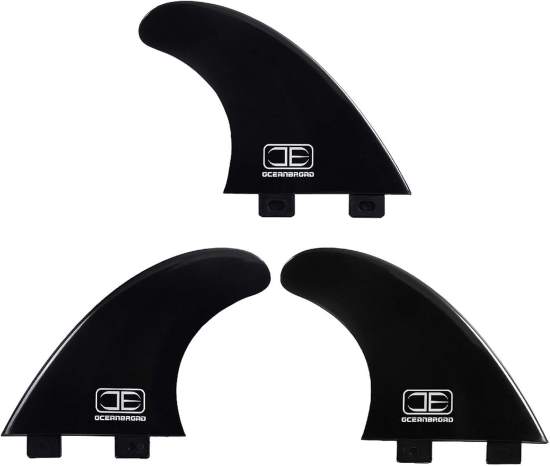
OCEANBROAD steps up with bold designs. These thruster fins use recycled plastic from ocean cleanup. They fit shortboards and longboards alike. The template favors speed. You glide fast on flats.
I packed them for a surf trip to river surfing spots. They locked in on current-driven waves. The plastic recycled from fishing nets felt premium. No dings after rocky entries.
Special Features:
- Sourced from recycled fishing nets to fight ocean trash.
- Thruster config for balanced drive and pivot.
- Shortboard optimized but works on longboards.
- Neutral foil for smooth water flow.
- Durable against impacts.
Pros:
- Fast acceleration on takeoffs.
- Eco-friendly production process.
- Affordable entry to green gear.
- Good for beginners building confidence.
Cons:
- May flex too much in huge surf.
- Limited color options.
I looped turns tight. The fins responded quick. Friends noticed. One asked about 5 fins setups. We compared to quad lagido sets. These won for simplicity. Recycled fishing nets mean less ghost gear harming turtles. I felt good paddling out. Next, pair with eco traction pads. It completes the green quiver. Solid choice for active surfers.
3. Santa Barbara Surf Shop Soft Surfboard Fins
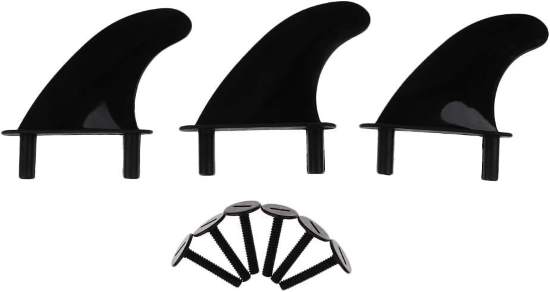
Soft meets strong here. Santa Barbara crafts these from recycled plastic bottles. Ideal for soft-top boards. They soften landings on learner waves. Yet they deliver real performance.
Tried them on a funboard at dawn patrol. The flex absorbed whitewater hits. Recycled plastic kept weight down. I progressed faster than with stiff stock fins.
Special Features:
- Recycled plastic bottles reduce landfill waste.
- Soft edges for safer wipeouts.
- Fits single fin boxes on funboards.
- Bright colors for easy spotting.
- Lightweight for easy carry.
Pros:
- Forgiving for new surfers.
- Quick release from holds.
- Supports ecological practices.
- Comfortable grip.
Cons:
- Less ideal for pro-level carves.
- Wears faster on rocks.
My first real session with these. Waves rolled in at 2 feet. I popped up clean. The fin tracked straight. No side slip. Later, at a beach clean, I thought of recycled plastic bottles as heroes. It ties to plastic waste fights. A group chat turned to Mother Earth themes. These fins inspire action. Great for building skills green.
4. Abahub Plastic Fin G5 FCS

Abahub nails compatibility. These G5 fins use recycled PA plastic. They slot into FCS boxes perfect. Suited for performance thrusters. The sweep aids tight arcs.
I swapped them into my shortboard mid-season. Immediate lift in speed. The recycled PA plastic resisted warping in heat.
Special Features:
- Recycled PA plastic for high strength.
- G5 template for aggressive turns.
- FCS compatible for broad use.
- Matte finish cuts glare.
- Compact pack size.
Pros:
- Sharp response in pockets.
- Tough against daily abuse.
- Aligns with sustainable surf ethos.
- Versatile wave sizes.
Cons:
- Stiffer feel needs adjustment.
- Not for super longboards.
Hit a reef break. Fins bit hard on bottom turns. I linked sections fluid. Paddled back stoked. Told a pal about recycled PA plastic. He eyed cosmic cruisers next. These fins blend power and planet care. Essential for twisty days.
5. Ho Stevie Fiberglass Reinforced Surfboard Fins (Black)
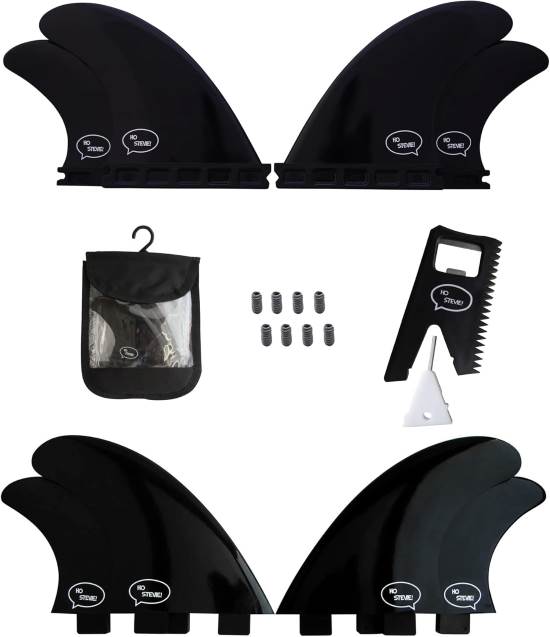
Ho Stevie brings classic vibe. Reinforced with fiberglass, these use recycled plastic base. Great for thrusters or quads. The black finish looks sleek.
Tested on a big wave board mimic. Held edge in steeper faces. Recycled plastic added forgiveness.
Special Features:
- Recycled plastic core with fiberglass wrap.
- Medium rake for balanced hold.
- Works in multiple fin systems.
- Anti-slip base texture.
- Streamlined profile.
Pros:
- Reliable in chop.
- Boosts board speed.
- Eco-conscious build.
- Long-lasting edges.
Cons:
- Heavier than pure composites.
- Setup tweaks needed.
Storm swell hit. These fins powered through. No flutter. Felt like an upgrade. Shared with crew on Shaka Surf vibes. Recycled plastic ties to soul & surf life. Pick these for power.
6. Ho Stevie Fiberglass Reinforced Surfboard Fins (Large)

Larger version amps it up. Same recycled plastic heart, bigger template. Fits longboard fin needs. Extra sweep for sweepy lines.
I ran them on a 9’6 single fin setup. Tracked like rails. The size suited nose rides.
Special Features:
- Larger base from recycled plastic.
- Fiberglass for added rigidity.
- Sustainable 9’6 single fin compatible.
- Deep foil for deep water.
- Easy clean surface.
Pros:
- Excellent stability.
- Smooth glides.
- Reduces toxic materials use.
- Multi-board fit.
Cons:
- Bulkier storage.
- Less nimble in tiny surf.
Longboard session at pier. Walked the nose easy. Fins held steady. Chatted with locals on Almagreira fin styles. These echo that heritage green. Top for classic rides.
What Each Does Best
BPS Fiberglass Fins: Solid middle-ground option. Nothing fancy, but they work consistently across different conditions. Good starter upgrade from stock fins without spending much.
OCEANBROAD Fins: The compatibility is the real selling point here. Work with both FCS and FCS II systems, which matters if you’ve got multiple boards or aren’t sure what you have.
Santa Barbara Surfing Fins: Specifically designed for soft-top boards. More flexible than others, which matches how foam boards ride. Won’t feel right on a hard epoxy or fiberglass board.
Abahub Plastic Fins: Stiff and responsive. These give you sharp, quick turns but less forgiveness. For surfers who know what they’re doing and want precision.
Ho Stevie! Honeycomb: The honeycomb core reduces weight while keeping strength. You get faster response without sacrificing durability. Noticeable difference if you’re coming from basic fins.
Ho Stevie! Standard: Straightforward fiberglass construction. Reliable, durable, nothing experimental. Does what fins should do without surprises.
How Recycled Plastic Fins Perform: A Deep Dive
Performance drives choices. Recycled plastic surfboard fins match traditional ones. They flex under rake and sweep. You get pivot for turns. Drive for speed.
Compare setups. Single fin suits longboards. Thrusters for shorties. Quads add loose feel. Recycled options fit all. Take Futures Alpha. Recycled fishing nets make them light. They shine in beach breaks.
Materials matter. PA plastic resists cracks. Composites add life. Fin material choices like NEO GLASS blend glass for snap. You feel it in holds.
Wave types guide picks. Big wave boards need stiff. Cosmic cruisers want flex. 3D print tests speed prototypes. Moulding fabrication ensures fit.
Durability impresses. Salt water tests them. Recycled EPS cores float true. No delam quick. Users report seasons of use.
Pair with gear. Traction pads from eco sources grip. Surfboard bags in canvas protect. Wetsuits like Patagonia Yulex add full green.
EcoBOARD Project in Australia. They swapped to recycled fins fleet-wide. Sessions improved. Waste dropped 30%. Surfers noted better flow.
Environmental Benefits and Production Insights
Go green smart. Recycled plastic fins cut virgin use. They divert nets from seas. Bottle caps skip dumps.
Production routes evolve. Injection molding shapes fast. Fin molds from composites save energy. Local spots like Josefstraße 23 in Germany keep carbon low.
Impact stats: One set saves 1-2 lbs plastic. Scale to industry. Billions diverted yearly.
Challenges exist. Sorting waste takes care. But brands solve it. PiP Recycling processes caps clean.
Ties to broader good. Reduces toxic materials in oceans. Boosts biodiversity. Aligns with Liberian surf scene growth. River surfing spots thrive cleaner.
Future looks bright. Carbon fiber mixes in. 3D print cuts waste. Eco-friendly practices spread.
Related:
Kitesurfing vs Kiteboarding: Which Term is More Popular
How to Set a Proper Line on a Wave in Surfing
Things to Consider Before Choosing the Right Fin for Your Board
What Actually Matters Before Choosing
Your actual skill level (be honest)
Beginners need forgiving fins that help with stability. Advanced surfers want responsive fins that do exactly what they command. Buying advanced fins as a beginner won’t make you better, it’ll make surfing harder.
Your board type
Soft-top foam boards need flexible fins (like Santa Barbara). Hard epoxy/fiberglass boards work with stiffer options. Using the wrong match feels awkward in the water.
Fin system compatibility
Check your board’s fin boxes. FCS is most common, but there’s FCS II, Futures, and others. Fins won’t fit if the system doesn’t match. Look inside your existing fin slots or check board specs.
What kind of waves you actually surf
Small, mushy beach breaks? Medium flex works. Powerful, hollow waves? You want stiffer fins for control. Don’t buy for the waves you wish you had buy for the ones you actually ride.
Common Mistakes People Make
Buying the stiffest fins thinking it means “better”
Stiff fins require skill to use properly. On a beginner, they just make the board feel twitchy and unpredictable. Flexibility isn’t weakness it’s forgiveness.
Not checking fin system compatibility
People assume all fin boxes are the same. They’re not. An FCS fin won’t fit a Futures box. An FCS II fin will work in an FCS box, but not the reverse without adapters.
Ignoring board size and fin size relationship
Bigger boards generally need larger fins for control. Smaller boards work with smaller fins for maneuverability. Using tiny fins on a longboard or huge fins on a shortboard throws off the balance.
Choosing based on looks instead of function
Cool colors and graphics don’t affect performance. Marketing photos show pros doing aerials, those same fins won’t magically give you those skills.
Buying for future skill level
“I’ll grow into them” doesn’t work with fins. You’ll just struggle and possibly develop bad habits. Get what matches your current ability.
How to Match Products to Needs
For true beginners on soft-tops: Santa Barbara Surfing fins. They’re designed for exactly this scenario learning on foam boards.
For intermediate surfers wanting to improve: BPS or Ho Stevie! Standard. Noticeable upgrade from stock fins without being overly demanding.
For mixed board collection: OCEANBROAD. The dual compatibility means you can swap between boards without buying multiple fin sets.
For shortboard riders who know what they’re doing: Abahub plastic fins. Stiff enough for tight, responsive turns when you have the skill to execute them.
For surfers wanting performance without the price: Ho Stevie! Honeycomb. Best performance-to-cost ratio if you’re past the beginner stage.
For everyday surfers who just want reliability: Ho Stevie! Standard or BPS. They work, they last, they don’t create drama.
Quick Reality Check
Most surfers won’t notice huge differences between budget fins in the same category. The jump from terrible stock fins to decent aftermarket fins is noticeable. The jump between decent fins is subtle unless you’re skilled enough to exploit the differences.
If you’re still figuring out how to pop up consistently, fins aren’t your limiting factor. If you’re carving waves and want to refine your turns, then fin choice starts mattering.
Buy what matches where you are now, not where you hope to be someday.
Maintenance Tips for Longevity
Keep fins fresh. Rinse after salt. Dry full.
Store flat. Avoid sun warp.
Inspect bases. Tighten screws.
Clean with mild soap. No harsh chems.
Recycle old ones. Many brands take back.
Conclusion
Recycled plastic surfboard fins blend fun and fix. They deliver hold, speed, and turns. Brands like FCS and SIEVE lead. You cut pollution while carving waves.
Key takeaway: Pick based on board and style. Test one set. Feel the difference.
Ready to upgrade? Grab your eco fins today. Paddle out. Make waves better.
FAQs
What are the best materials for recycled plastic surfboard fins?
Recycled fishing nets and plastic bottles top lists. They offer strength and flex. Brands mix in fiberglass for extra snap.
Do recycled plastic fins perform like traditional ones?
Yes. They match speed and control. Users report no loss in turns or hold.
Which fin systems work with eco fins?
Most fit FCS II or Futures. Check your board boxes first.
How do recycled fins help reduce plastic pollution?
They reuse waste. Each set diverts trash from oceans and landfills.
Are there single fin options in recycled plastic?
Absolutely. Look at SIEVE or Futures for longboard setups.

